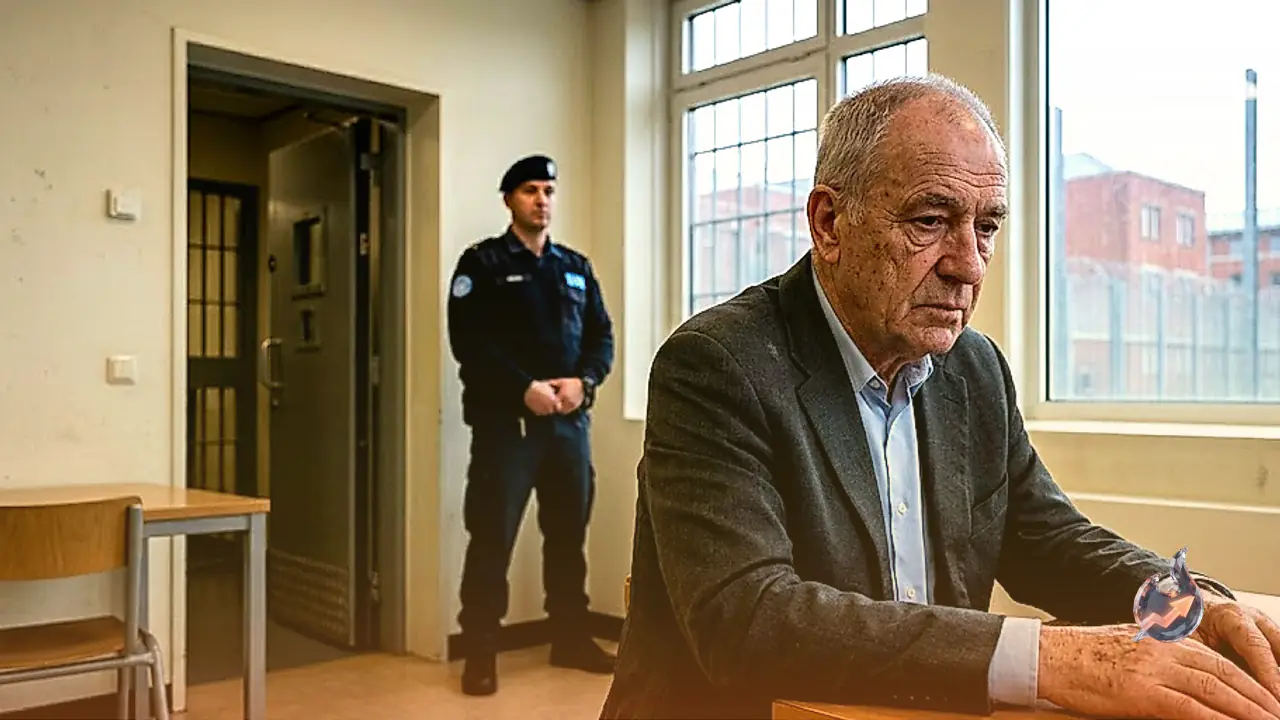























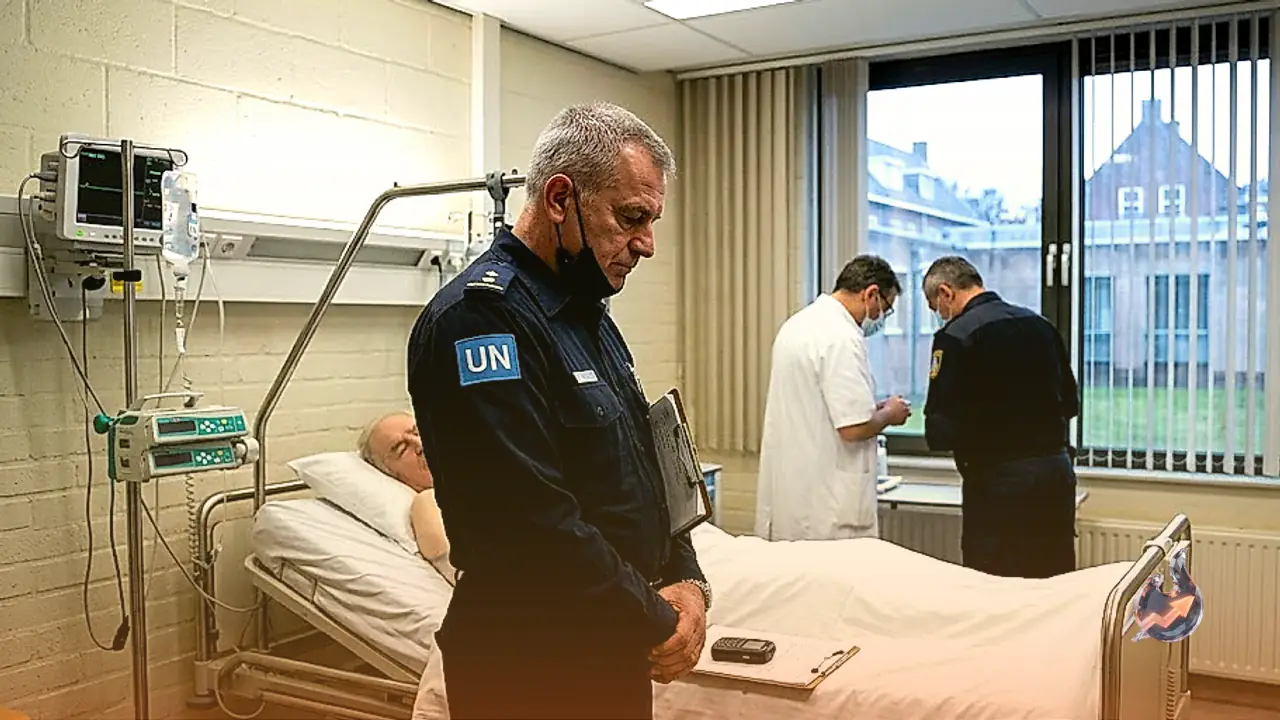

Ratko Mladić, the convicted Bosnian Serb war criminal serving a life sentence for genocide, war crimes, and crimes against humanity, has died at the age of 84. News of his death inside a United Nations detention facility at The Hague was officially confirmed by a UN official. Mladić had been receiving specialized palliative care in the medical unit of the UN prison complex in The Hague, where his health had deteriorated significantly toward the end of his life. His death marks the final chapter for one of the most prominent figures prosecuted for atrocities committed during the Balkan conflicts of the 1990s.
Conviction for Atrocities and Life Sentence
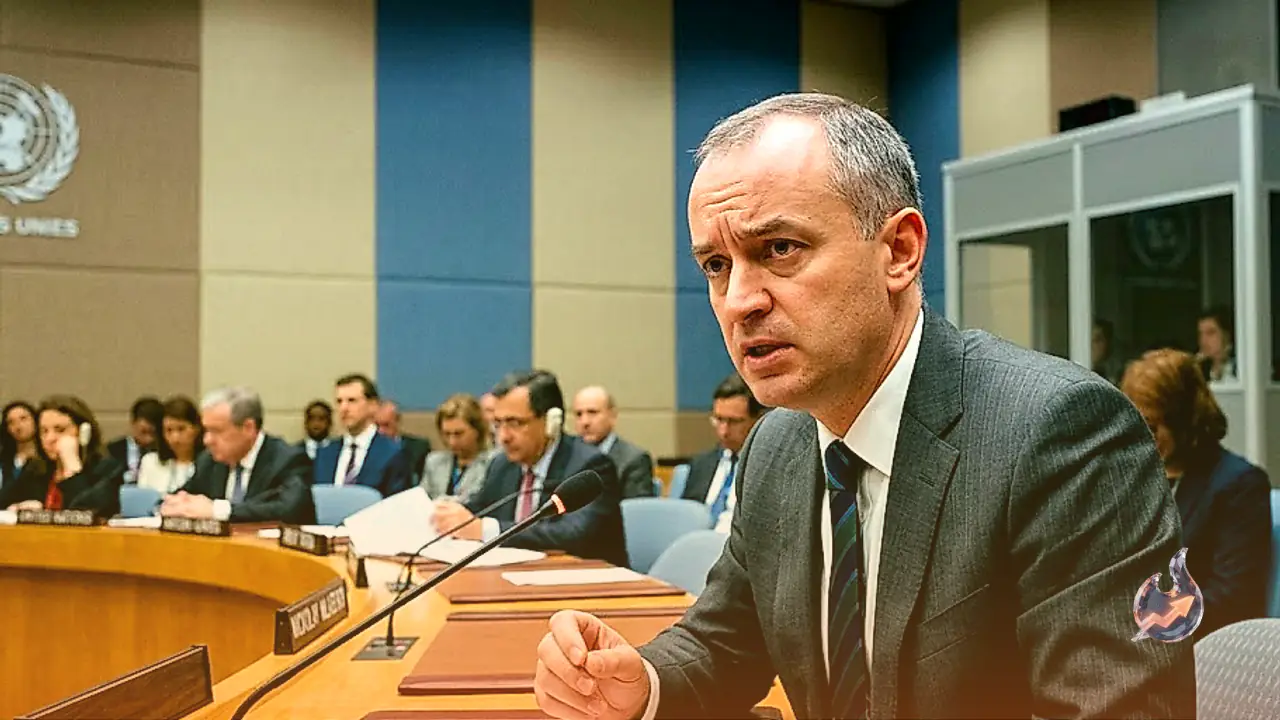
Mladić was held responsible for widespread bloodshed and atrocities committed during the conflict in the former Yugoslavia between 1992 and 1995. Dubbed by many as the Butcher of Bosnia due to the severity of the actions carried out under his direction, he faced comprehensive charges covering genocide, war crimes, and crimes against humanity. In 2017, a international tribunal at The Hague found him guilty on multiple counts and sentenced him to life imprisonment. Mladić subsequently challenged the verdict through an appeal process, but in 2021 the appellate court decisively upheld his life sentence in full.
Sixteen Years on the Run and International Trial
Following the end of the Bosnian war, Mladić evaded international justice for 16 years, hiding from global law enforcement authorities who sought his arrest. A long international search finally concluded in 2011 when investigators located and captured him residing in a rural area of Serbia. Upon his arrest, he was extradited directly to The Hague to stand trial before the UN war crimes tribunal, leading to the extensive judicial proceedings that culminated in his conviction.
Rejection of Late Medical Release Petition
As his physical condition worsened near the end of his life, a legal effort was launched seeking his release from custody. In May, the UN court at The Hague formally rejected the bid to free him on medical grounds. During the proceedings, the presiding judge acknowledged that Mladić was in a dire physical state due to his declining health. However, the court ruled against his release, concluding that he was receiving comprehensive and compassionate treatment within the specialized prison hospital facility where he remained until his death.