

















Diplomatic relations between India and Bangladesh have witnessed significant friction following major political shifts in Dhaka, but recent statements from the new administration suggest a potential course correction. After months of strained ties marked by policy differences and diplomatic distance, Bangladesh has formally indicated its willingness to rebuild its relationship with its largest neighbor through a fresh framework.
Bangladesh Foreign Minister Humayun Kabir stated that his country wants to reset ties with India and move forward on the basis of mutual interests. Describing the arrangements made during the tenure of former Prime Minister Sheikh Hasina as uncomfortable, Kabir emphasized that bilateral engagement should happen directly through bilateral channels rather than relying heavily on multilateral platforms. He noted कि Dhaka needs to step away from excessive dependence on New Delhi and instead adopt a more balanced foreign policy approach.
Elaborating on the diplomatic strategy, Kabir remarked that while India remains vital for Bangladesh, foreign policy cannot revolve exclusively around a single nation. He used a metaphorical expression to illustrate that over-reliance on one partner limits diplomatic flexibility, stressing the need for standard, healthy bilateral relations with neighboring states. Tensions between the two countries had escalated following the political upheaval of August 2024 and the subsequent arrival of Sheikh Hasina in India, a development that drew repeated criticism from various political quarters in Bangladesh.
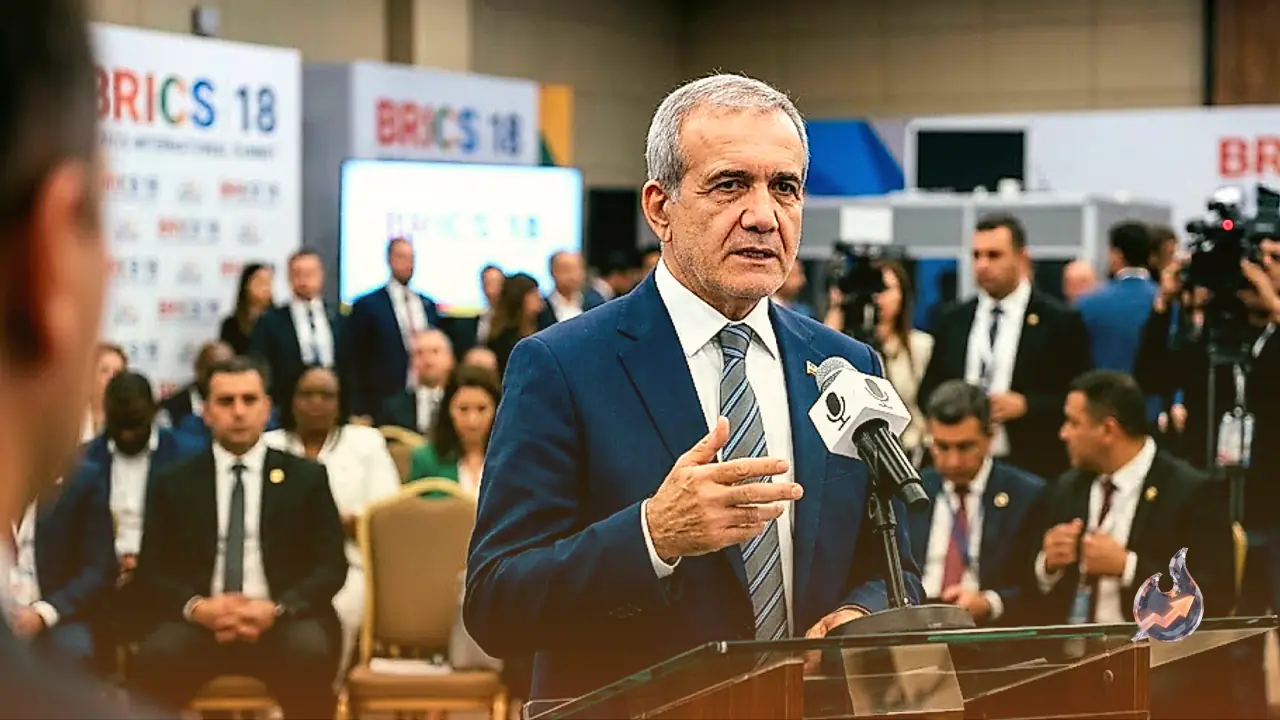
The diplomatic chill was further compounded when Prime Minister Tarique Rahman chose not to attend the recent BRICS summit. While reports from various quarters indicated that invitations had been extended through bilateral channels and in his capacity as the BIMSTEC chair, Dhaka maintained that the procedural invitation format was inadequate. This apparent snub had added further strain to an already delicate bilateral relationship before these latest reconciliation signals emerged.
Simultaneously, the administration in Dhaka is conducting a comprehensive review of 101 bilateral agreements and Memorandums of Understanding signed with India over the years. Ruling party Chief Whip Nurul Islam Moni confirmed that parliamentary committees are examining all these pacts, with findings expected soon. When questioned about specific infrastructure pacts, such as the use of Chittagong and Mongla ports by friendly nations, officials reiterated that every agreement is undergoing thorough legal and parliamentary scrutiny to determine their alignment with national interests.