




















Significant changes are underway in Burkina Faso's legal and social frameworks. The country's interim parliament has officially approved a new criminal code. Under this updated legislation, capital punishment has been reintroduced for grave offenses such as terrorism, treason, and espionage. Prior to this legislative update, the nation had maintained a long-standing suspension on executing the death penalty.
Ban on Beauty Pageants
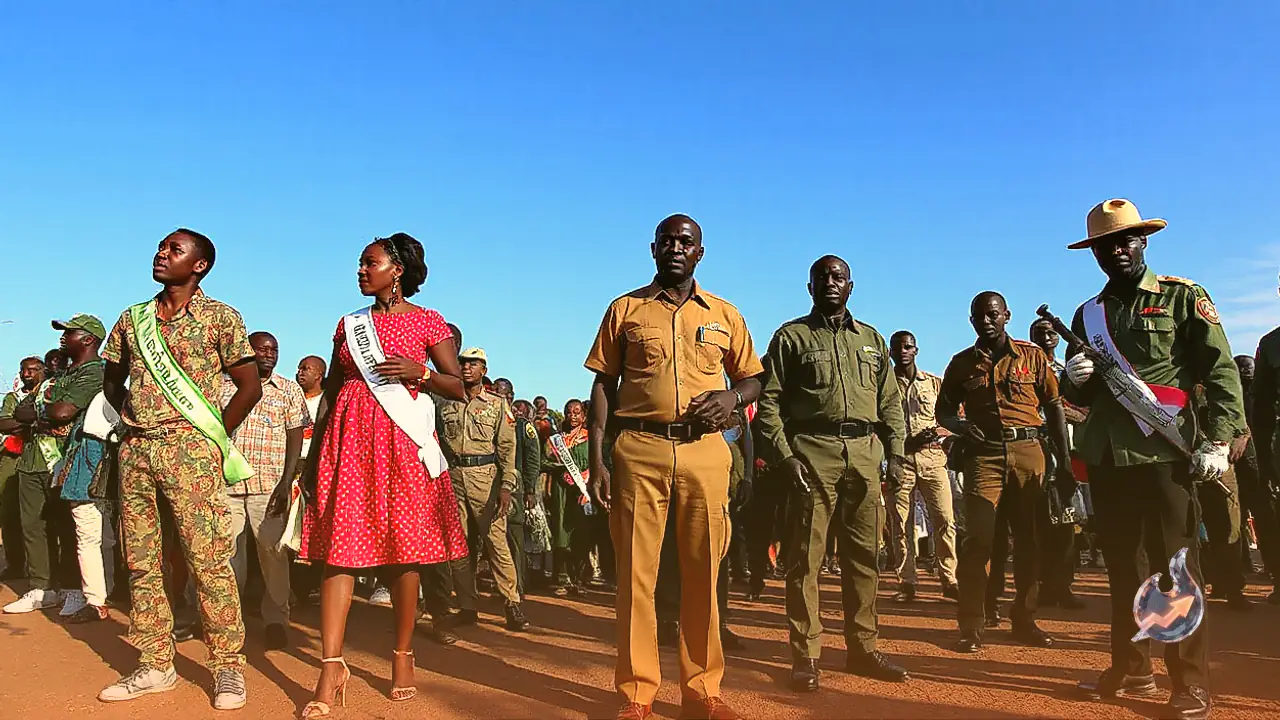
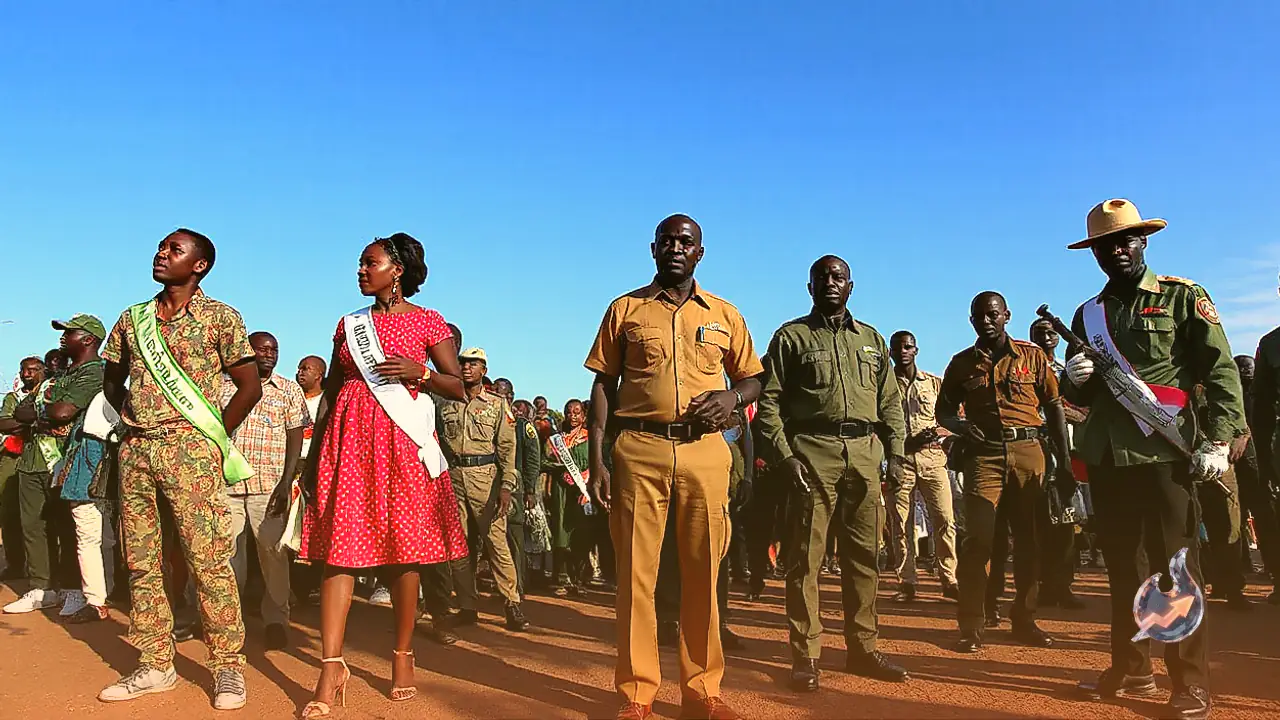
Alongside the shifts in criminal law, cultural guidelines have also seen strict new measures. The Ministry of Communication, Culture, Arts, and Tourism has ordered a complete halt to all national and local beauty contests across the country. Officials stated that such competitions must strictly align with the nation's cultural identity, societal values, and human dignity. Until comprehensive new guidelines are formulated and put in place, no fresh pageant events will receive official approval.
Focus on Science and Education
Amid the suspension of beauty contests, the administration has rolled out initiatives aimed at empowering women in the fields of education and science. Recently, the government launched a national science competition titled HAKILI Mousso. This program is designed to encourage and highlight the talents of young women in academic disciplines including mathematics, physics, and chemistry.
Shifts Under Military Leadership
Burkina Faso has undergone continuous restructuring of its social and legal architecture under the administration led by Captain Ibrahim Traore, who assumed power following a coup in September 2022. While international human rights organizations have voiced concerns over the return of capital punishment, the governing authorities continue to press forward with their agenda.
Unanimous Parliamentary Approval
The new penal law received overwhelming support, with all 71 members of parliament voting in favor of the legislation. This decision effectively reverses the measures taken in 2018 to abolish the death penalty entirely. Historical records indicate that the last recorded execution in Burkina Faso took place back in 1988.
Justifying Security and Cultural Values
Authorities view these sweeping measures as essential efforts to reinforce national culture, preserve social values, and secure the state. Defending the controversial decision, Burkina Faso Minister of Justice Edasso Rodrigue Bayala emphasized that stringent punishments are vital for combating terrorism and strengthening overall national security.