






















Crucial satellite connectivity powering frontline military maneuvers across Ukraine has stabilized following days of crippling network constraints. The Ukrainian defence establishment confirmed on Saturday that the satellite communication grid is operating smoothly once more, lifting severe performance barriers that had hindered real-time drone coordination and troop operations in contested zones.
Speed Restrictions Lifted for Military Drone Fleets
Defence Minister Yevhenii Khmara revealed that battlefield systems can now achieve data transmission at speeds exceeding 400km/h on the network. In an official statement, he highlighted that the restoration directly bolsters frontline soldiers, unmanned aircraft missions, military logistics, and essential communications.
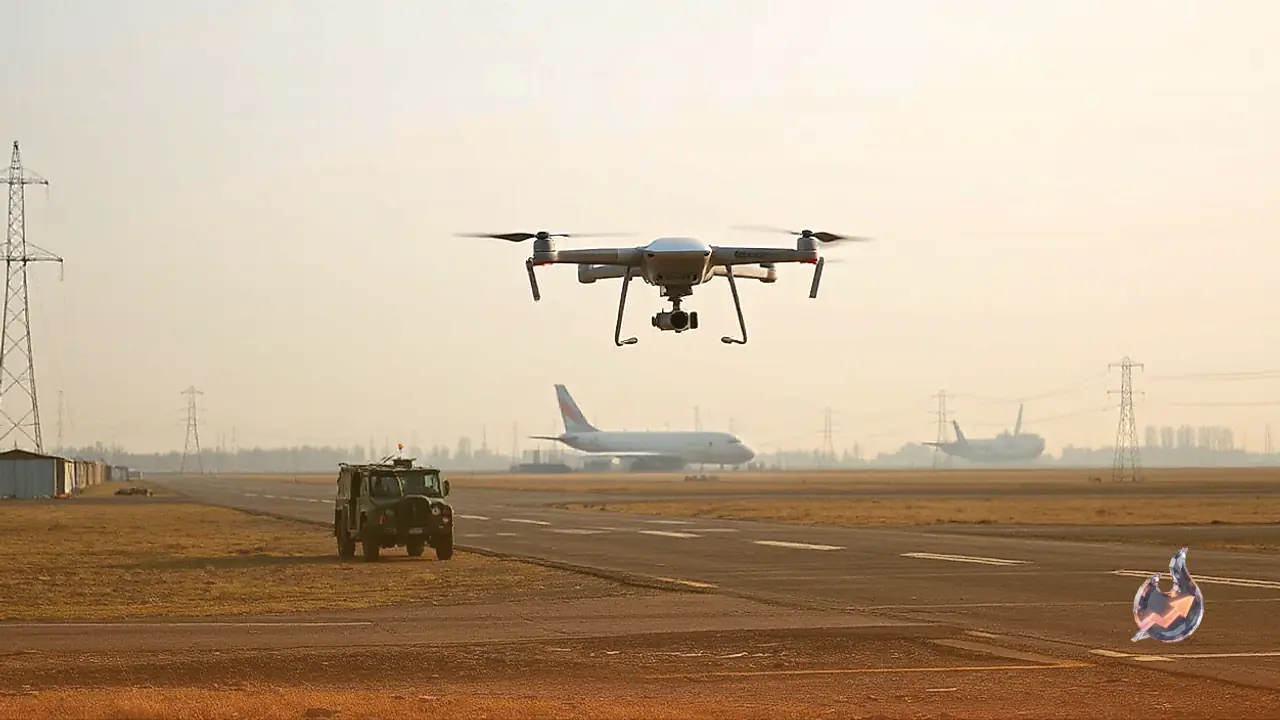
Under the restrictive settings implemented earlier, drone units operating at speeds of 161km/h (100mph) or faster immediately dropped their satellite links. Restoring network continuity above 400km/h effectively reactivates the Ukrainian military's high-velocity aerial assets, removing a bottleneck that had temporarily compromised situational awareness and remote targeting capabilities.
Diplomatic Fallout Involving Washington and SpaceX
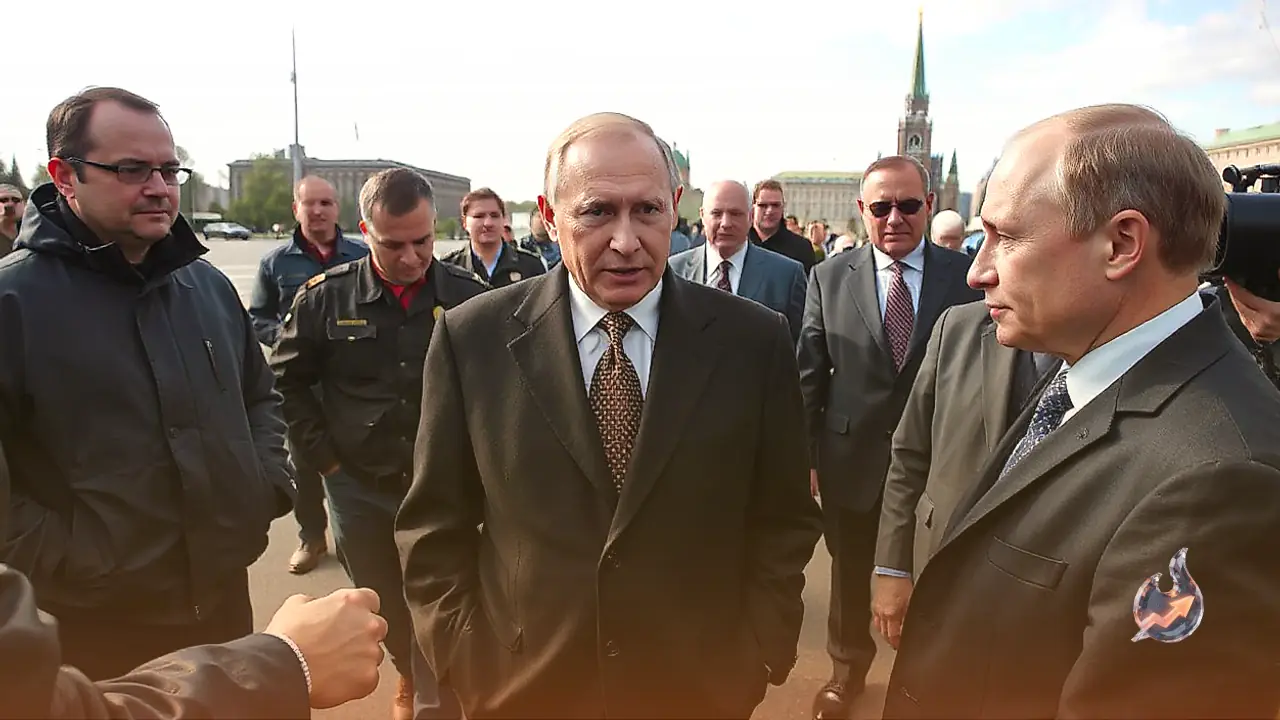
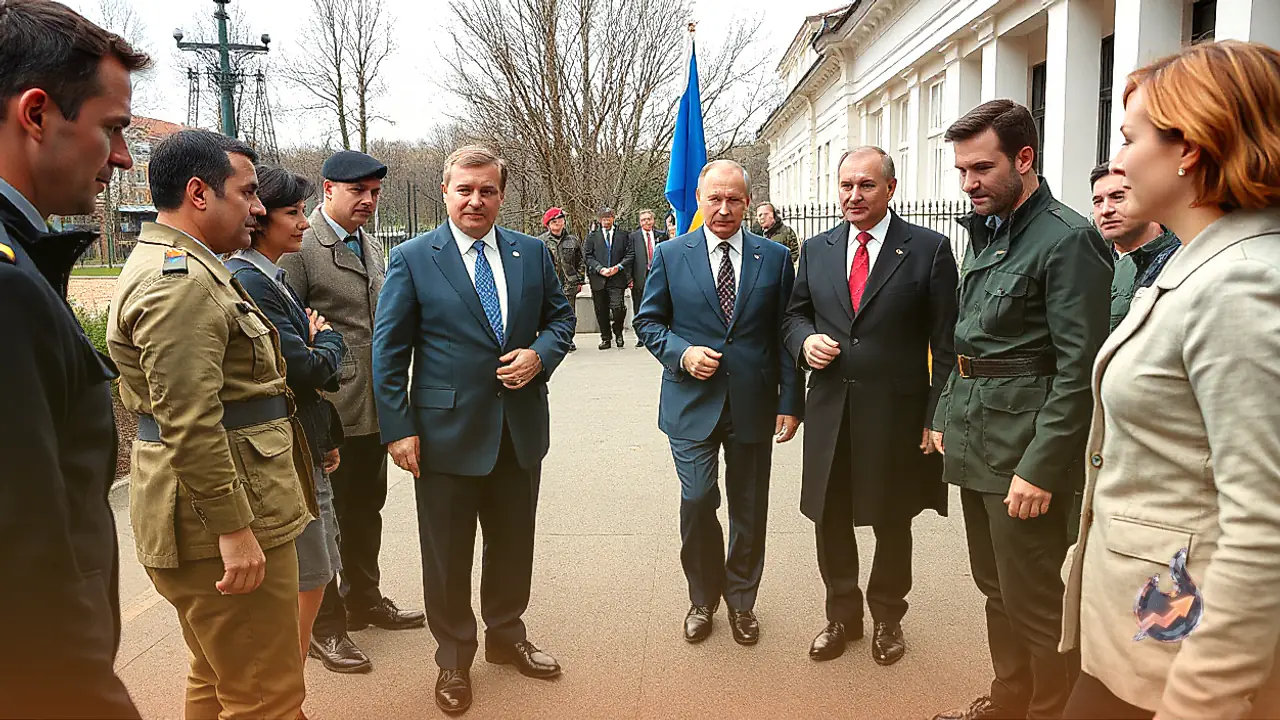
The operational disruption emerged during tense political friction between Ukrainian President Volodymyr Zelensky and US President Donald Trump. Officials in Kyiv previously alleged that Donald Trump directed Elon Musk to impose hard limits on the communications system. Donald Trump firmly dismissed that charge, while subsequently stating that Elon Musk had restored the standard settings.
Volodymyr Zelensky also stated that Washington paired the connectivity squeeze with threats to halt intelligence sharing unless Kyiv ceased hitting Russian oil facilities, another assertion Donald Trump denied. For his part, Elon Musk suggested that the Pentagon holds operational jurisdiction over Starshield, the hardened military variant of the system, intimating that any recent restrictions might have originated within the US military apparatus.
Controversy Over Russian Oil Facilities and Fuel Markets
The dispute over satellite access is tightly linked to Ukraine's campaign against Russian energy infrastructure. Kyiv insists that damaging Russian refineries is essential to choke off the Kremlin's primary financial streams fueling the conflict. Donald Trump, however, argued that these refinery strikes have driven international energy prices higher.
With US midterm elections scheduled for next month, Donald Trump waived select sanctions against Moscow and completed a pact to import Russian diesel into American markets. That transaction drew fierce pushback from Ukrainian leaders and European allies alike. Because Russia lacks authorization to utilize Starlink, Ukrainian strikes launched deep into Russian sovereign territory to target fuel hubs operate entirely outside the network's active perimeter.
Battlefield Clashes and Large-Scale Drone Exchanges
While leaders argued over orbital links and energy policy, intense combat persisted across the theater. The Russian Ministry of Defence announced via Telegram on Saturday that domestic air defense batteries intercepted 616 Ukrainian fixed-wing drones targeting multiple areas, including Russian-annexed Crimea.
Sergey Aksyonov, the Moscow-appointed governor in Crimea, stated that power grid damages inflicted by incoming drones forced local authorities to institute emergency rationing for municipal water and electricity supplies.
Concurrently, Ukrainian authorities announced successful strikes within Russian territory over a 24-hour window, hitting an aircraft stationed at a military airfield, a chemical processing plant, and a factory producing missile components. Kyiv reported facing intense bombardments as well, detailing 88 Russian air assaults on Friday that deployed 309 glide bombs alongside 10,270 kamikaze drones.
Dependence on Low Earth Orbit Satellites
Kyiv's overall combat doctrine remains deeply integrated with the sprawling orbital constellation comprising 10,000 low Earth orbit satellites. Operating both the commercial Starlink service and the specialized Starshield architecture, the Ukrainian military relies on orbital bandwidth to bridge communication blackouts across isolated regions, coordinating logistics and guiding autonomous systems where conventional cellular or terrestrial lines cannot survive.