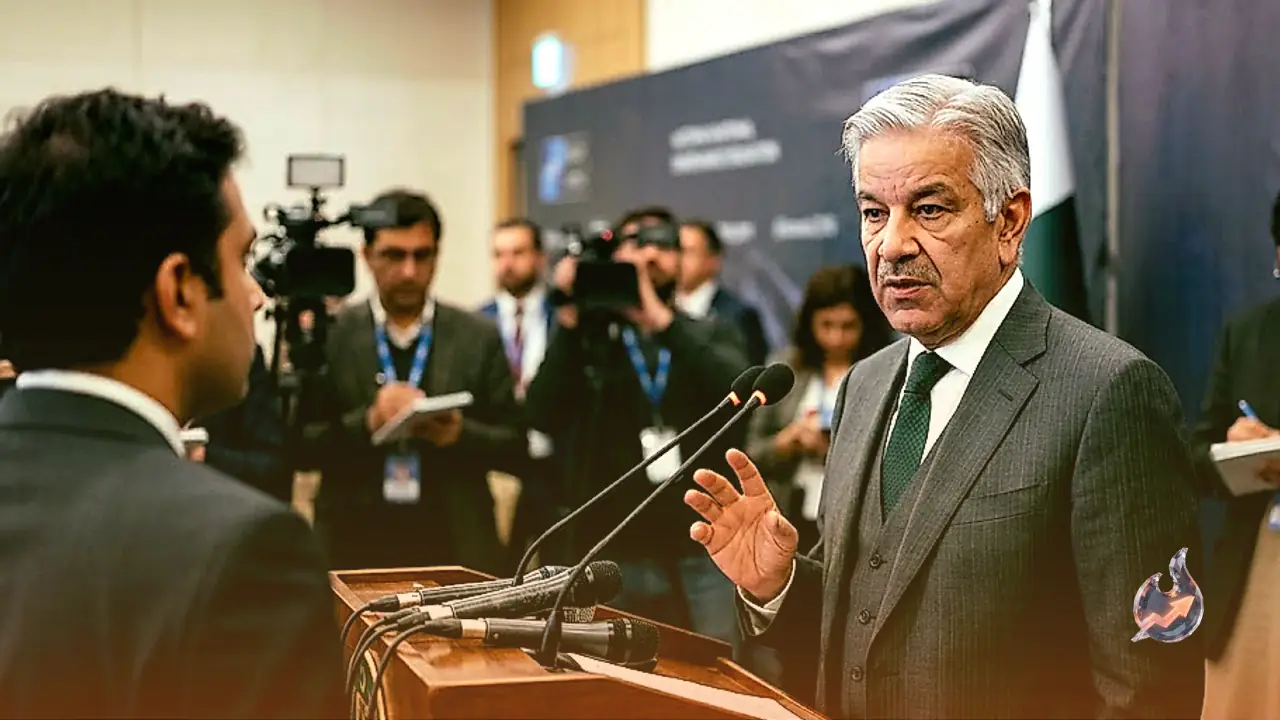






















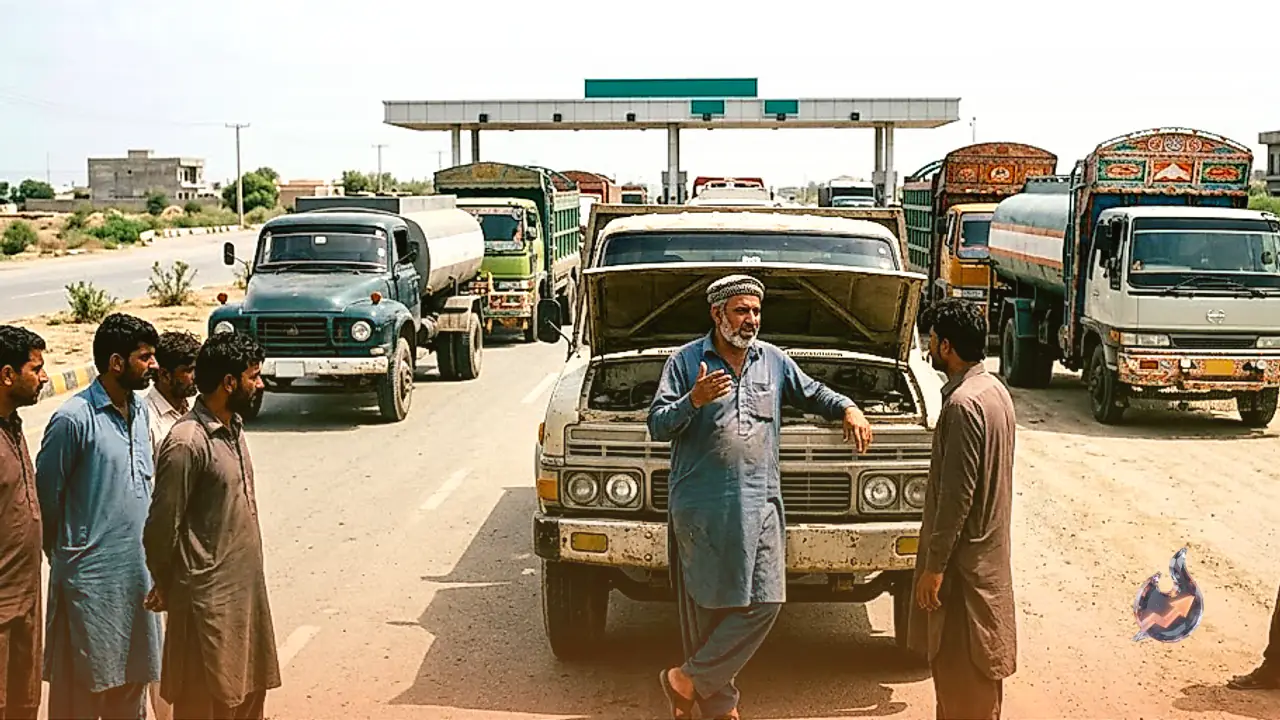

Adding to the ongoing regional turmoil in areas like PoK and Balochistan, Pakistan is now grappling with a major domestic crisis as commercial transporters have initiated an indefinite nationwide strike. Protesting against surging fuel costs, heavy toll charges, and harsh penalties, goods carriers began suspending their operations on Friday night after negotiations with government authorities collapsed. The nationwide stoppage comes into full force on Saturday, raising immediate fears of a complete breakdown in domestic supply chains as well as import and export logistics.
Daily Pricing Mechanism Triggers Transport Sector Backlash
The strike call has been spearheaded by key transport bodies, including the All Pakistan Goods Transport Owners Association and the Pakistan Mini Mazda Association, both of which have vowed to keep vehicles off the roads until their demands are met. At the core of the dispute is the government's decision to fluctuate fuel prices on a daily basis. Transport operators argue that daily rate revisions introduce unpredictable overheads and operational chaos into their businesses. To restore commercial stability and allow accurate freight planning, transport leaders are pressing for a return to a monthly price-setting schedule.
Dilapidated Infrastructure, Axle-Load Rules, and Excessive Taxes
Beyond the fuel pricing mechanism, transport groups have voiced intense frustration over deteriorating road conditions and systematic extortion. Operators point out that while the government collects billions of rupees annually in toll fees, the road infrastructure remains badly maintained and riddled with corruption. Furthermore, they accuse officials of imposing arbitrary fines under the guise of enforcing axle-load limits. Despite a recent modest reduction of Rs 3.19 per liter on petrol and Rs 1.50 per liter on diesel, retail fuel prices remain painfully high, with petrol selling at around Rs 329.82 per liter and high-speed diesel priced at Rs 382.36 per liter due to heavy taxation.
Supply Shortages Threaten a Fragile Economy
While authorities defended daily price adjustments as a necessary alignment with international crude market volatility, the measure has placed unbearable pressure on a freight industry already suffering under high inflation. If the indefinite paralysis of transport services continues for several days, it threatens to disrupt the distribution of essential commodities, agricultural products, and industrial inputs across the country. Compounded by existing unrest in peripheral regions, this nationwide logistical standstill presents a formidable economic challenge for the government.