






















A fresh regulatory and geopolitical controversy has erupted in Greenland following unauthorized steps taken by Texas-based Greenland Energy in the Arctic region. The oil exploration firm unloaded logistics equipment along the remote eastern coast of Jameson Land without securing mandatory permits from local authorities. In response, the autonomous government of Greenland issued a stern warning against the firm. The dispute centers on an estimated $1 trillion crude oil reserve, threatening to escalate diplomatic friction between the United States and Greenland.
Unauthorized Logistics Deployment at Jameson Land
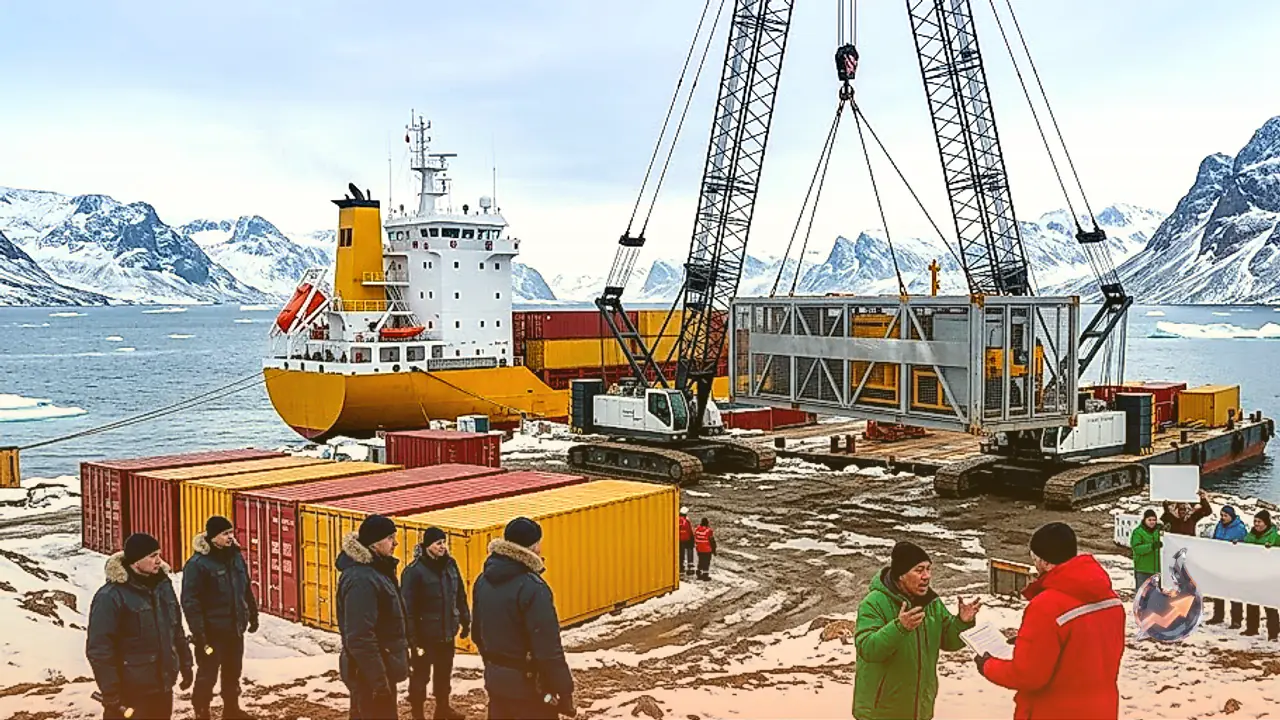
The controversy traces back to a town hall community meeting held in June, where a representative from Greenland Energy falsely claimed that the company had already secured the required permits to land equipment on the coast. Shortly afterward, coastal residents spotted a cargo vessel arriving by sea, which offloaded roughly a dozen shipping containers directly onto the shores of Jameson Land.
Greenland's Mineral Resource Authority swiftly reacted to the incident, asserting that strict regulatory compliance is mandatory. The authority declared that all future logistical operations require explicit prior approval and that no unauthorized activities will be tolerated. While the government has not yet ordered the immediate removal of the delivered containers, it confirmed that the company's permit application remains pending and emphasized that no further physical work can proceed without official clearance.
Links to Trump Insiders and Corporate Rebuttal
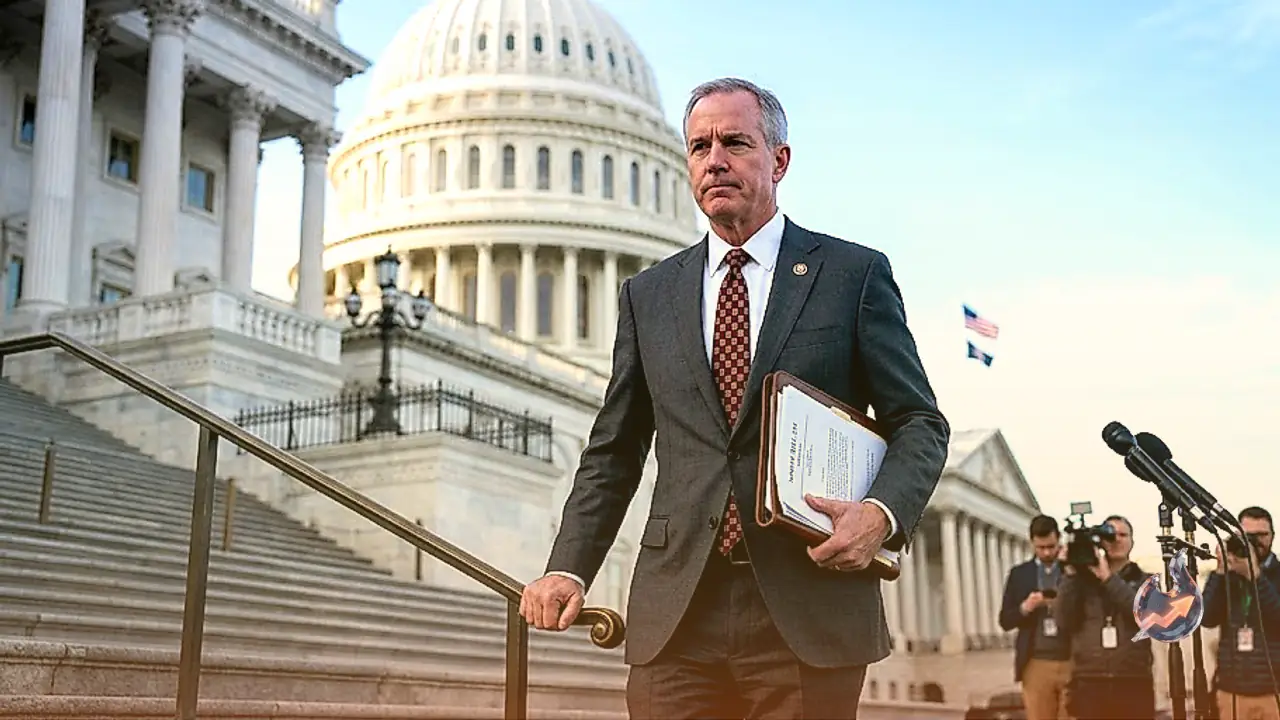
Scrutiny surrounding the venture has intensified due to high-profile connections between Greenland Energy and individuals associated with Donald Trump. The energy company engaged Dr. Phil to produce a documentary series about the project; Dr. Phil is widely recognized as a prominent supporter of Donald Trump. Furthermore, a director on the company's board is a former US Navy officer who previously worked on the 'Golden Dome' missile defense initiative during the Trump administration.
Addressing these connections, Larry Swets, Chairman of Greenland Energy, rejected claims linking the venture to geopolitical ambitions. Swets stated that the oil initiative is purely a commercial energy endeavor and has no relation to any US effort to exercise control over Greenland. Nevertheless, persistent rhetoric from Donald Trump regarding Greenland has heightened diplomatic sensitivity around the company's actions.
The Trillion-Dollar Masterplan and Shipping Timeline
Jameson Land is believed to sit atop vast hydrocarbon deposits, with the company projecting potential reserves valued at approximately $1 trillion. To access these resources, Greenland Energy modified its operational strategy. The firm originally budgeted $60 million to drill two exploratory wells, but it has now revised its immediate plan to drill a single initial well.
Navigating regulatory hurdles presents a major challenge, as Greenland halted all new oil exploration licensing in 2021 to protect its environment. To bypass this restriction, Greenland Energy is negotiating to acquire a major stake in pre-existing exploration rights held by a British firm near Eighty Mile. Under this arrangement, Greenland Energy will provide the necessary project financing. According to current logistics plans, a vessel carrying 300 containers is scheduled to depart Canada on September 12, aiming to begin well drilling operations in October.
Ramsar Wetland Protections and Geopolitical Consequences
Environmental concerns remain the primary roadblock for the proposed drilling site, which is located inside a protected conservation area. The territory holds international wetland status under the Ramsar Convention, placing Greenland's decision-makers in a complex position. The government must weigh the potential for massive economic revenue against the imperative to preserve the fragile Arctic ecosystem.
As an autonomous territory within the Kingdom of Denmark, Greenland holds full jurisdiction over its natural resources. Consequently, the decision to approve or reject oil drilling extends far beyond a standard commercial deal, serving as a critical test of Greenland's environmental policy and local autonomy. If permits are denied, it could exacerbate diplomatic tensions between the United States and Greenland leadership.