



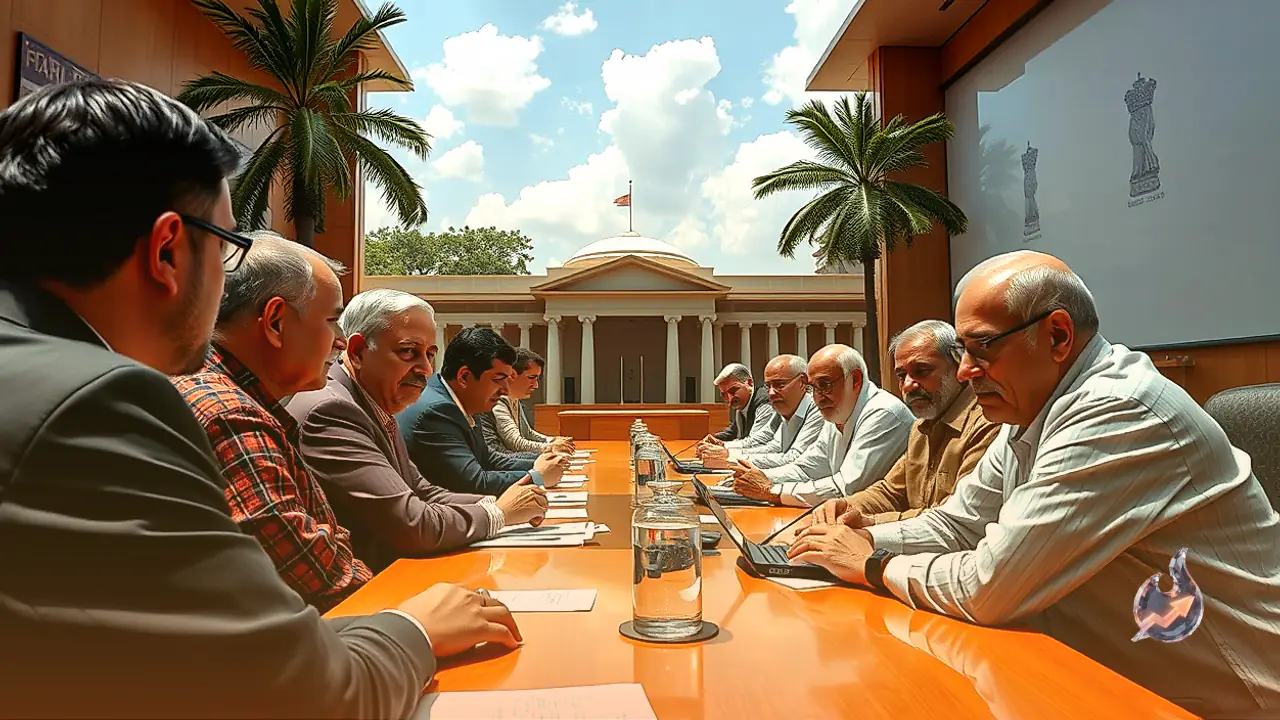



















Amid escalating geopolitical friction across the Middle East, Saudi Arabia, Pakistan, and Turkey have officially signed a historic trilateral security pact in the holy city of Mecca on Friday. Named the Mecca Joint Defense Agreement, the pact brings together three prominent Islamic nations in a formal commitment to collective security. Under the provisions of this mutual defense treaty, any armed attack directed against one participating country will be treated as an aggression against all three member nations, mirroring mutual defense clauses found in major global military alliances.
Ambiguity Over Regional Conflict Scenarios
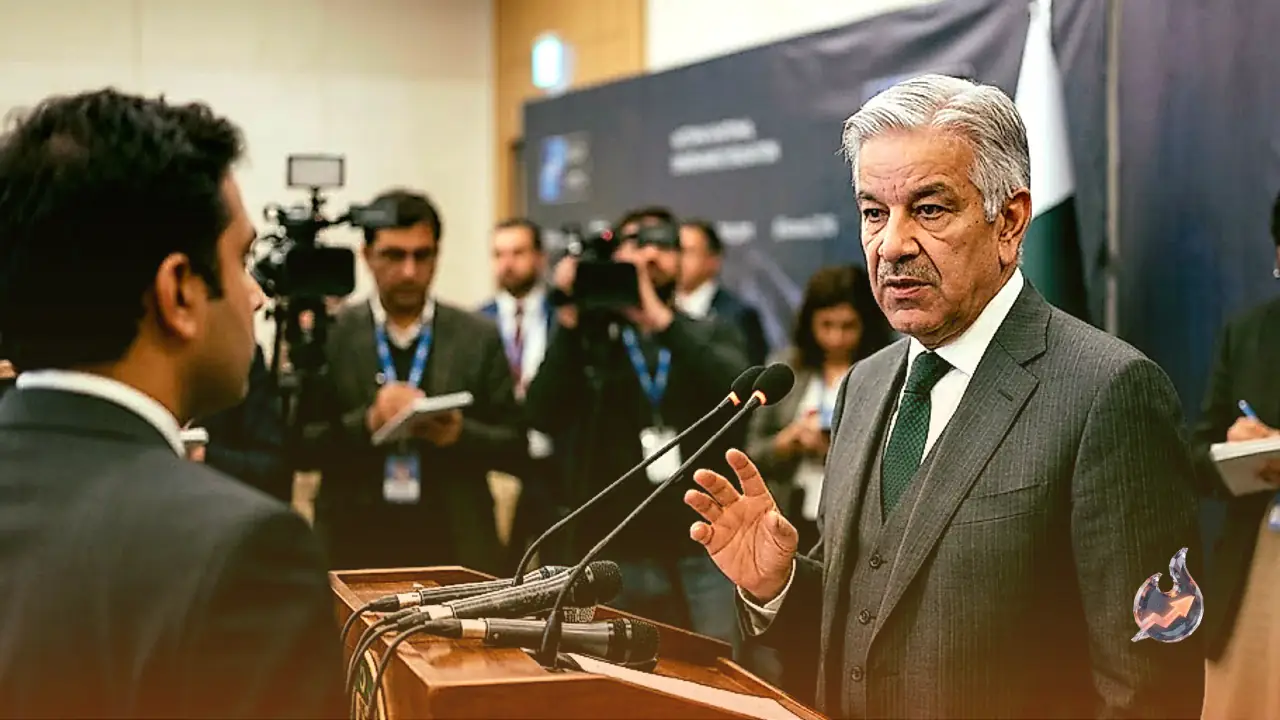
Despite the high-profile announcement of the agreement, significant questions remain regarding its operational scope and practical military implications. During a broadcast interview following the signing, an anchor questioned Pakistan Defense Minister Khawaja Muhammad Asif on whether the pact guarantees direct military support or hardware supplies from Ankara and Riyadh should a military confrontation with India arise, similar to the clashes seen in 2025.
Khawaja Muhammad Asif refrained from offering a definitive answer to the query. He indicated that because the pact had been signed that very day, detailing specific operational parameters or hypothetical war scenarios would be premature. Consequently, official channels in Islamabad have left unclarified what exact military or logistical backing Pakistan might receive from its allies in the event of an armed conflict with India.
Clarity from Turkish Officials and Comparison to NATO
Addressing the scope of the pact, Turkish Foreign Minister Hakan Fidan explained that the Mecca Joint Defense Agreement is structured in a manner technically similar to Article 5 of the NATO Charter. However, he emphasized that the treaty carries a strictly defensive mandate and is not directed against any non-member state, specifically mentioning Iran. Fidan underscored that no foreign nation will be targeted by the bloc unless an actual military attack is launched against one of the three signatories.
Reiterating this defensive stance, Turkish Vice President Cevdet Yilmaz stated that the trilateral pact does not target any specific country. Further commentary from Turkish official representatives reinforced that the agreement serves strictly as a deterrent mechanism intended to fortify regional stability and bolster mutual defense capabilities rather than initiate offensive military actions.
Strategic Impact and Coalition Strength
The primary aim of the Mecca Joint Defense Agreement, according to the joint statement released by the participating governments, is to enhance collective defense capacities and deter potential external aggressive actions. Nevertheless, the formal text leaves open questions regarding the precise nature of assistance required during a crisis, such as whether non-attacked member states are legally obligated to deploy armed forces directly into combat or if assistance would be limited to intelligence sharing and logistical support.
The alignment carries immense strategic and geopolitical significance due to the distinct military, economic, and religious stature of the three participating nations
- Turkey: Possesses the second-largest standing military force within the NATO alliance and maintains an advanced defense manufacturing sector.
- Saudi Arabia: Serves as the custodian of Islam's holiest sites and stands as one of the world's premier crude oil exporters and economic powerhouses.
- Pakistan: Holds the distinction of being the sole nuclear-armed country in the Muslim world, maintaining a substantial military apparatus.