




















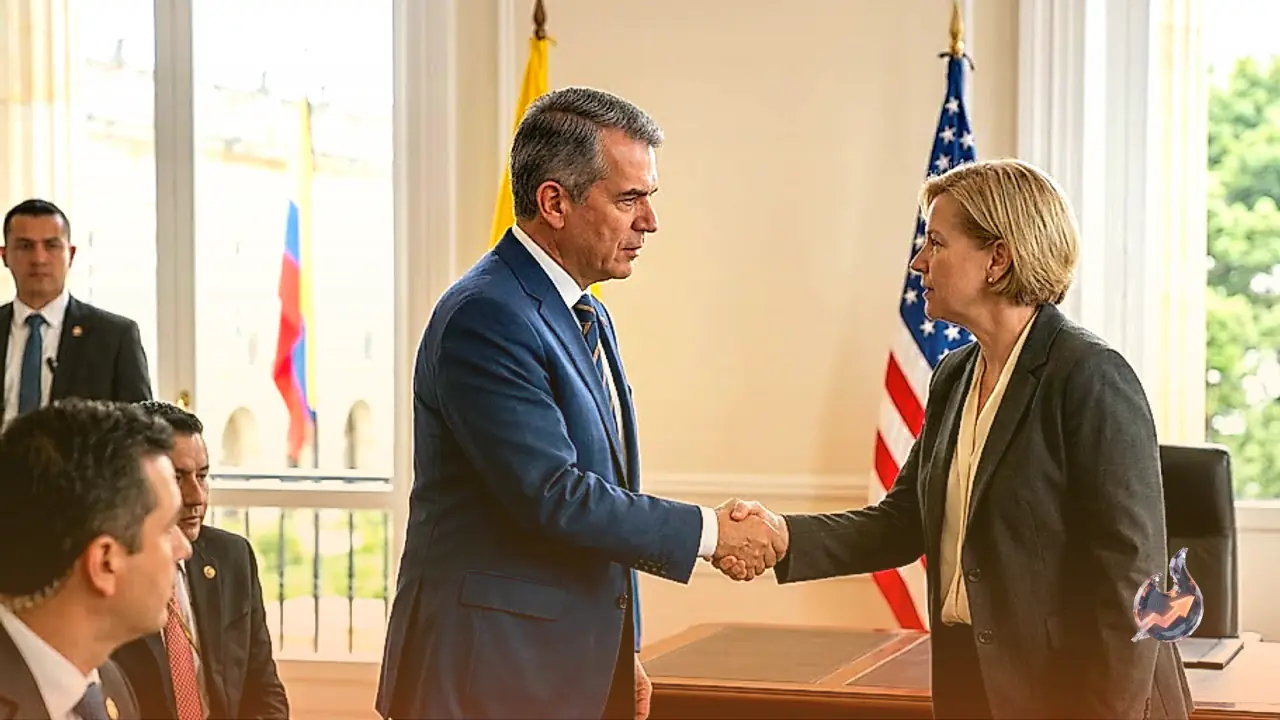

Just hours after Colombia's new right-wing populist president Abelardo de la Espriella was sworn into office, the US State Department announced a $1 billion (£740 million) security package to bolster his government. De la Espriella, an admirer of Donald Trump who aligned closely with the US president's platform during the campaign, used his inaugural address to declare an all-out war on drug cartels. Washington stated that the funding would support shared objectives between the two nations, specifically combating organized crime and curbing illegal immigration. Donald Trump had frequently criticized Colombia's previous left-wing administration over its management of border security and narcotics trafficking.
Shift to Right-Wing Policies in Latin America
The inauguration of Abelardo de la Espriella marks another chapter in a broader political turn across Latin America, where economic hardship and rising gang violence have driven voters toward right-wing populist leadership. In his second presidential term, Trump has intensified his engagement with Latin American politics, offering diplomatic and financial backing to aligned leaders while distancing his administration from ideological opponents. Prior to the Colombian election in June, Trump publicly backed de la Espriella, expressing confidence that bilateral relations between Washington and Bogota would improve significantly under his leadership.
Breaking Away from 'Total Peace' Policies
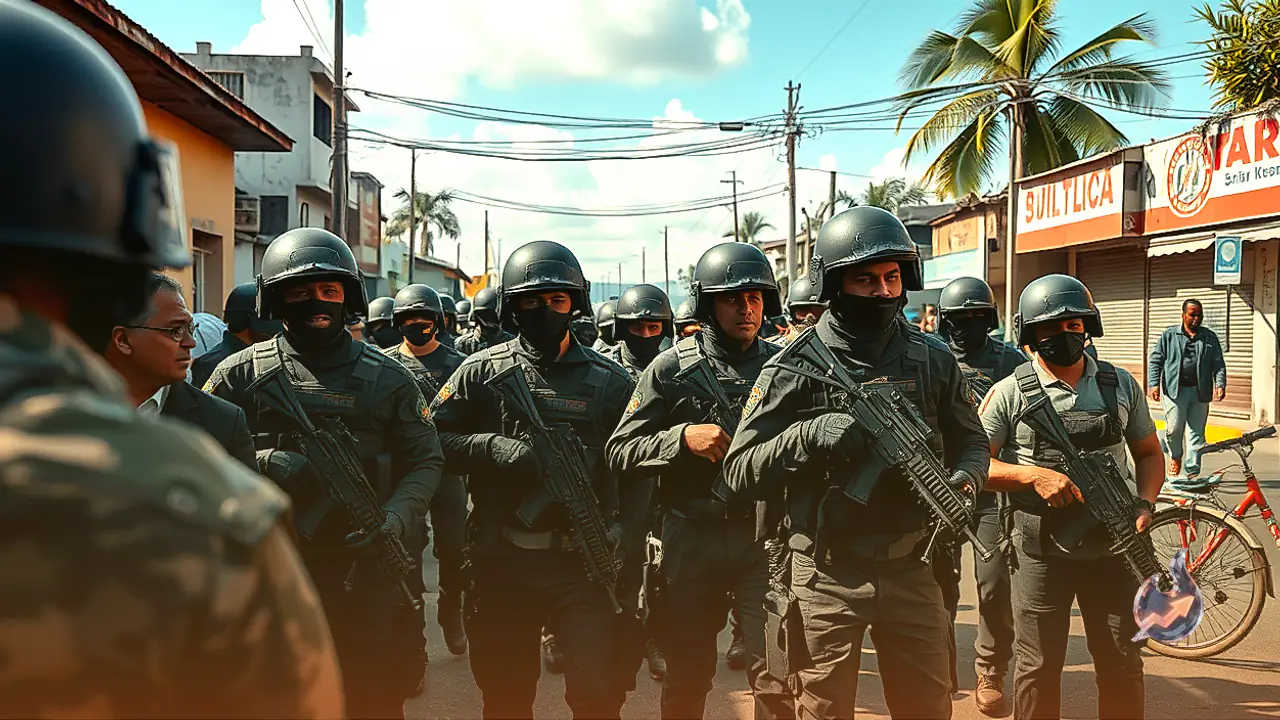
Breaking with political custom, de la Espriella chose not to take his oath of office in Colombia's capital, Bogota, but in the volatile western city of Cali, underscoring his priority to re-establish state authority in regions dominated by violent networks. Addressing military personnel at a nearby base, the new president vowed to dismantle armed insurgencies and rebuild the nation, asserting that democracy would be defended by reason or by force. Calling himself "El Tigre" or the Tiger, de la Espriella pledged that criminals would find no refuge on Colombian soil. Political observers have drawn parallels between his hardline agenda and the sweeping security operations implemented by Nayib Bukele in El Salvador and Daniel Noboa in Ecuador.
A Personal Profile: From Miami Lawyer to 'El Tigre'
A corporate attorney and wealthy businessman, de la Espriella built his campaign narrative around being an political outsider untainted by Bogota's traditional ruling class. Early in his legal career, he represented paramilitary figures linked to drug trafficking, the very criminal factions his administration now aims to suppress. He launched his presidential bid a month after another conservative contender was assassinated, frequently appearing at campaign events wearing a bulletproof vest behind reinforced protective glass. Having lived and worked in Miami for an extended period, he acquired US citizenship in 2023.
Regional Geopolitics and Diplomatic Realignment
In one of his initial presidential actions, de la Espriella confirmed that Colombia will join the "Shield of the Americas" security framework introduced by Donald Trump. The US State Department welcomed Colombia's pro-growth economic posture, noting opportunities to expand trade and deepen institutional bonds. This move aligns Colombia with other right-leaning regional administrations, including Argentina under libertarian President Javier Milei. The shift contrasts sharply with former President Gustavo Petro, who vocally opposed US actions in the region, including the prosecution of Venezuela's President Nicolas Maduro and his wife Cilia Flores on drug charges. Furthermore, de la Espriella has pledged to rebuild defense partnerships with Israel and the US, reversing Petro's decision to sever ties with Israel over its military campaign in Gaza. Following Keiko Fujimori's rise in Peru, Brazil's Luiz Inacio Lula da Silva remains the primary left-wing leader in South America, facing a challenge from Flavio Bolsonaro in upcoming elections.