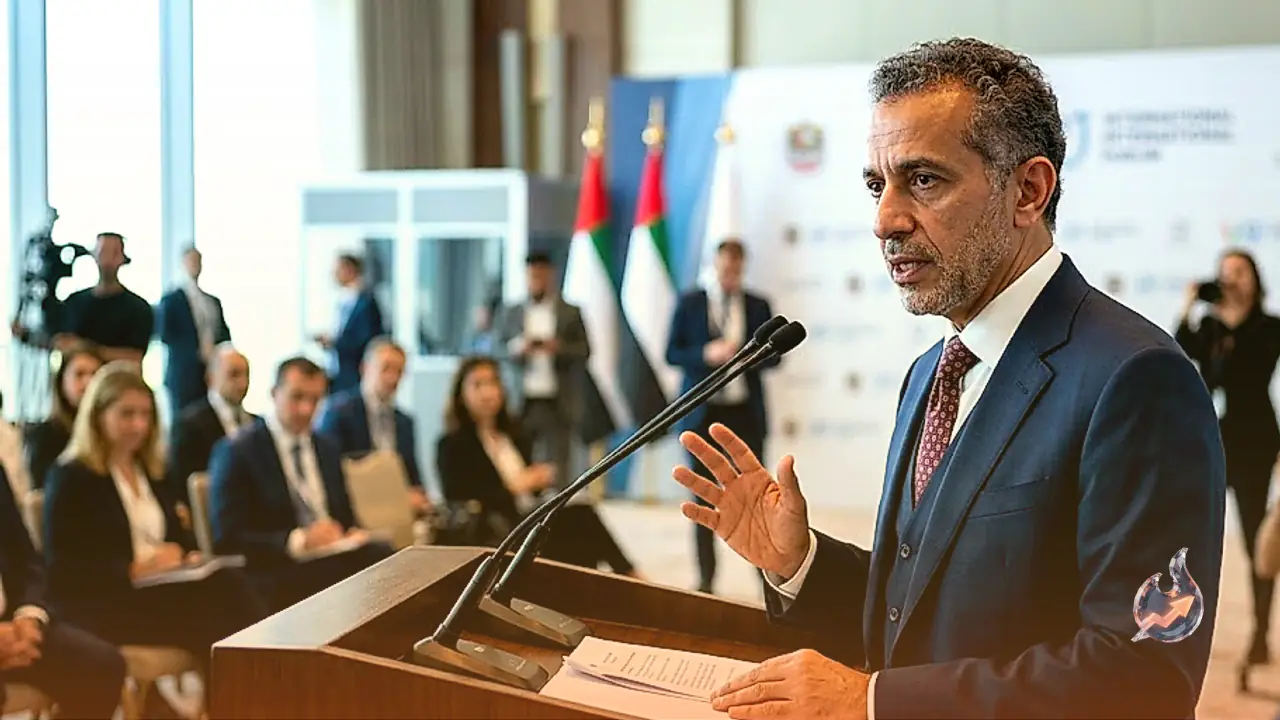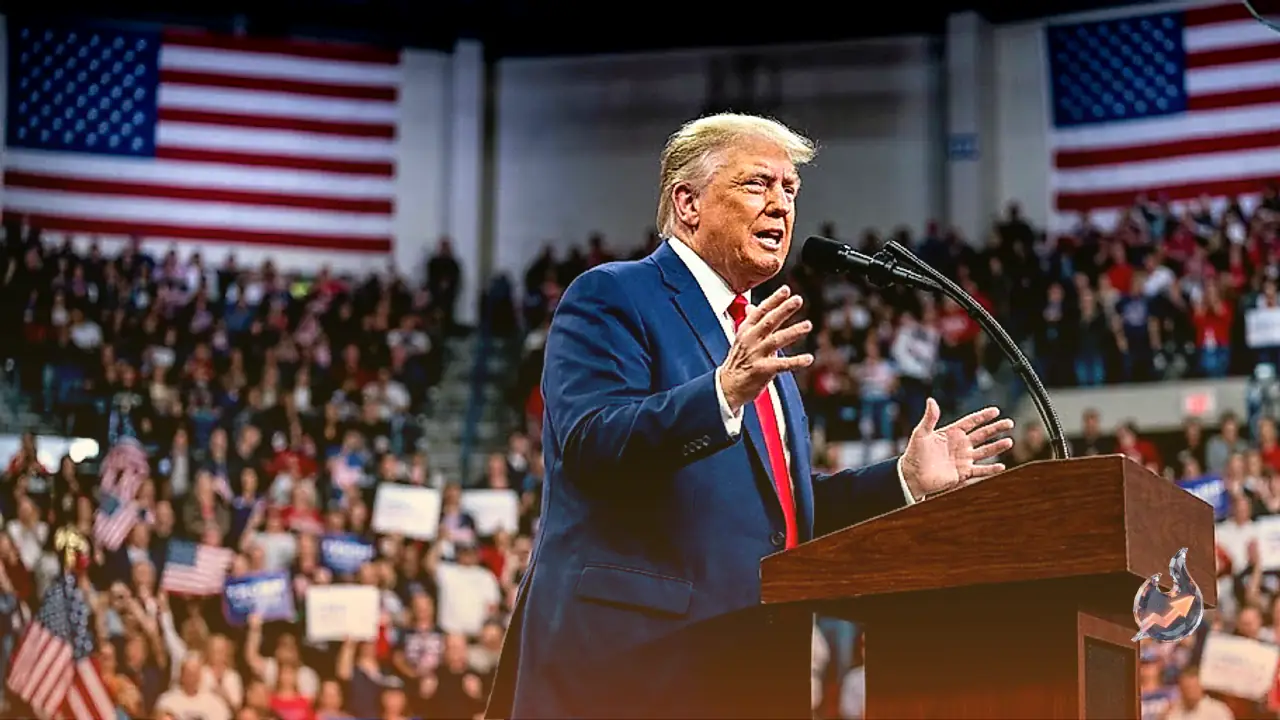






















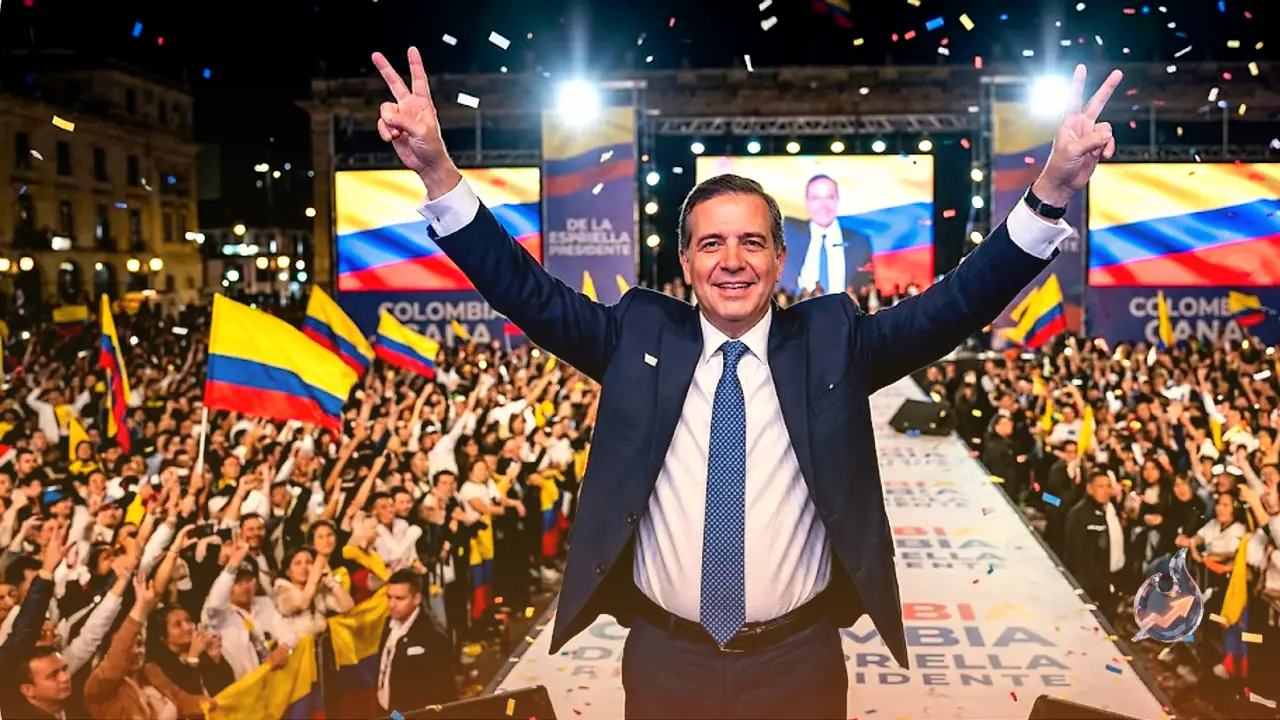

Colombia's presidential ballot count on Monday pointed toward a victory for Abelardo de la Espriella, a lawyer and businessman who received the backing of Donald Trump. With nearly all votes tallied, De la Espriella held a lead of approximately 251,000 ballots over his closest rival, Ivan Cepeda, a gap of about one percentage point. Officials had not yet declared a winner, and a review challenge was considered unlikely to change the result.
The Tiger's Platform: Ending Peace Talks and Building Mega Prisons
De la Espriella, widely known by his nickname "The Tiger," made security the defining theme of his campaign. He called for an end to the ongoing peace negotiations with Colombian rebel groups and proposed constructing large-scale detention facilities modeled on those built in El Salvador. Donald Trump, who endorsed the candidate, said De la Espriella had what it would take to restore law and order across Colombia.
Argentina: The Lion Cuts Inflation Through Austerity
The conservative trend across Latin America gained momentum in November 2023 when Argentina chose Javier Milei, an economist and television commentator nicknamed "The Lion," who defeated the long-established Peronist movement. Milei campaigned on radical fiscal discipline and moved quickly after taking office. He stopped the central bank from printing money to cover government expenses, reduced subsidies on public utility bills, cut the public payroll by dismissing civil servants, and suspended investment in public infrastructure programmes.
The austerity drive produced a sharp fall in inflation, which dropped from 211 per cent in 2023 to 32 per cent in 2025. Critics, however, blamed the same policies for deteriorating living standards, with public sector workers among those most affected.
Ecuador: Noboa Deploys the Military Against Drug Gangs
Ecuador returned Daniel Noboa to office in April 2025 for a four-year term, with 56 per cent of the vote. Noboa, who comes from one of the country's wealthiest families, responded to surging criminal violence in coastal cities by giving the military a greater role in security operations. Drug gangs had been competing for control of ports and smuggling routes in those areas. Ecuador's armed forces also launched joint operations with the United States against drug traffickers.
Despite the heightened military presence, authorities acknowledged that homicide levels did not fall significantly. Noboa's government faced criticism over human rights abuses, including allegations of extrajudicial executions. A proposal to reopen a US military base in Ecuador was put to voters in a referendum last year and rejected.
Honduras: An Endorsement, a Pardon and a Deportation Deal
Honduras added to the conservative tally when Nasry Asfura, a real estate investor and former city mayor, won a November election by less than one percentage point. Asfura belongs to the National Party, which also includes former president Juan Orlando Hernandez. Trump pardoned Hernandez on a drug trafficking conviction and backed Asfura during the campaign, warning that US aid could be withheld if Asfura did not prevail.
After taking office, Asfura's government signed an agreement with the United States in early 2025 under which Honduras accepted dozens of deportees arriving from third countries. A large share of those transferred were Guatemalan nationals. The arrangement became one of the most prominent early actions of the new administration.
Chile: Border Trenches and a Crackdown on Undocumented Migrants
Jose Antonio Kast won Chile's December election with 58 per cent of the vote, ending four years of progressive rule. A devout Catholic and staunch conservative, Kast centred his campaign on rising crime and migration. He pledged to remove migrants who lacked valid residency permits, specifying that the policy could cover people from Venezuela and Haiti.
Once in office, Kast's government extended a trench barrier running along the borders with Peru and Bolivia, saying the measure would help restrict drug smuggling and illegal crossings. The administration later faced protests over unemployment, and budget cuts affecting public servants drew additional criticism.
Costa Rica: Tougher Policing Powers and a New Mega Prison
Costa Rica elected Laura Fernandez in February with 48 per cent of the vote. Fernandez, who had served as economy minister under former president Rodrigo Chaves, beat her nearest rival by 15 percentage points and cleared the 40 per cent threshold required to avoid a runoff.
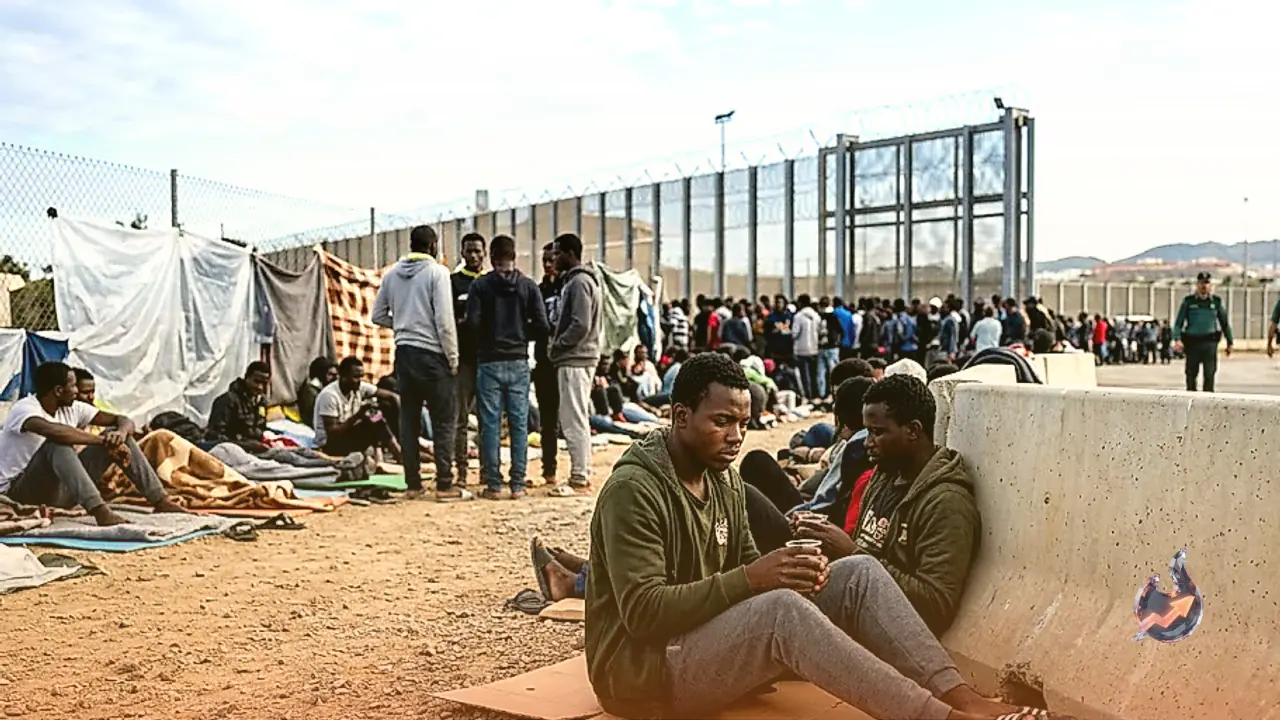
Her campaign focused on stricter crime control. She proposed declaring a state of exception that would allow police to arrest suspects without warrants. She also announced plans to build a mega prison designed along the lines of El Salvador's CECOT facility. Under an earlier agreement, Costa Rica received deportation flights from the United States, including one in June carrying migrants from China, Vietnam, Colombia and Azerbaijan.
A Region Tilting Right
Taken together, the recent elections in Argentina, Ecuador, Honduras, Chile and Costa Rica form a clear pattern of voters across Latin America choosing conservative platforms centred on security, border control and fiscal tightening. Colombia's ballot count suggested Abelardo de la Espriella was on the verge of joining that group. His lead over Ivan Cepeda had held steady through nearly the full count, and while the official declaration was still pending, the direction of the outcome appeared settled.