























Diplomatic friction surrounding the Middle East conflict has intensified as eight prominent Muslim nations issued a joint declaration warning that Israel's ongoing military campaign jeopardizes the Gaza peace roadmap spearheaded by US President Donald Trump. The joint statement highlights growing international alarm that continued attacks threaten to derail months of diplomatic negotiations aimed at achieving a lasting ceasefire. Foreign ministers representing the coalition urged an immediate reassessment to prevent the complete collapse of peace initiatives and a further deterioration of the regional security environment.
Diplomatic Coalition Issues Stern Warning
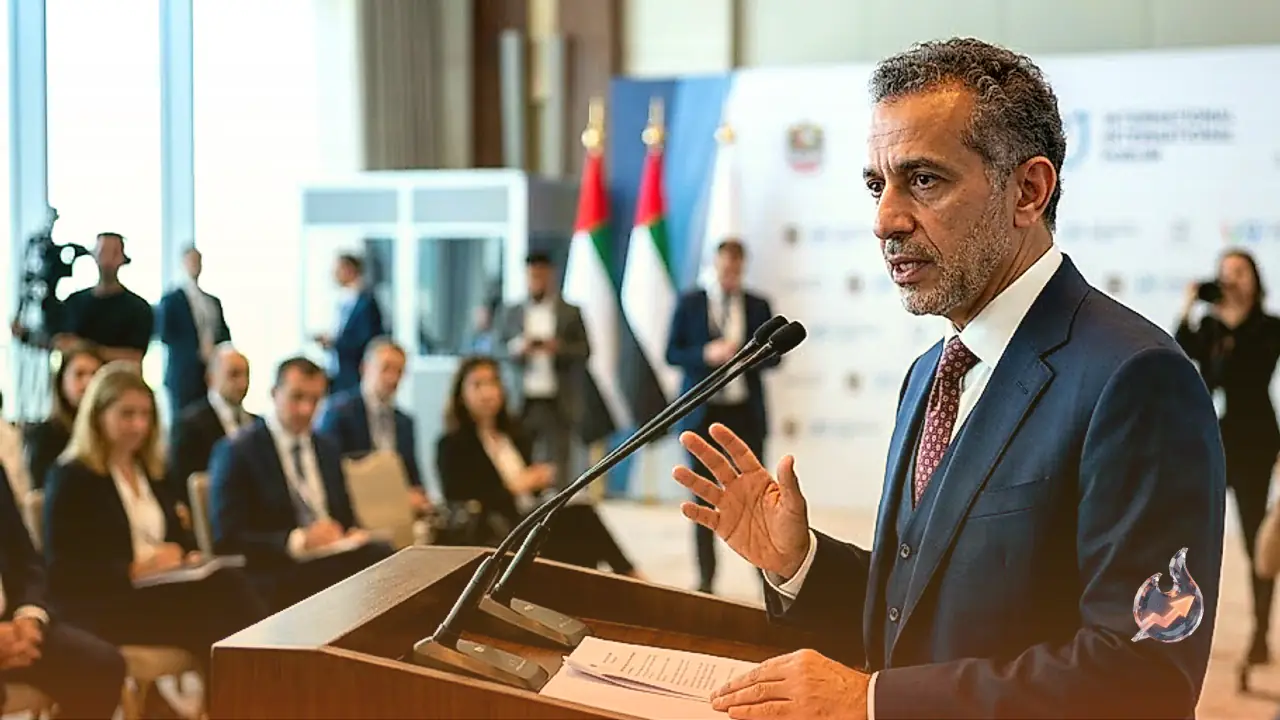
The high-level joint declaration was formally released by the foreign ministers of the UAE, Qatar, Jordan, Indonesia, Pakistan, Turkey, Saudi Arabia, and Egypt. According to the document, Israel's persistent military operations directly undermine international endeavors to transition into the next phase of the Gaza ceasefire framework. This diplomatic setback comes at a critical juncture, particularly after several Palestinian factions indicated their willingness to accept the proposed Trump roadmap. The signatories emphasized that Israeli operational tactics contravene established international law and risk sparking a renewed cycle of widespread violence across the region.
Escalating Humanitarian Emergency and Infrastructure Damage
A central focus of the joint statement was the severe toll inflicted upon civilian communities and vital infrastructure across Gaza. The foreign ministers voiced grave concern over strikes impacting hospitals, healthcare units, and emergency support facilities, which have resulted in high numbers of casualties among non-combatants, especially women and children. Under international humanitarian law, the protection of medical infrastructure, healthcare personnel, and humanitarian relief workers remains strictly mandatory. The declaration insisted upon immediate, safe, and unhindered access for medical supplies, essential food, and humanitarian aid to every sector of Gaza, while also drawing attention to deteriorating conditions in the West Bank and East Jerusalem.
Commitment to the Two-State Solution and Framework Terms
Reaffirming their unified position, the eight nations reiterated their steadfast support for a viable two-state solution while explicitly rejecting any territorial annexation or forced displacement of Palestinian populations. The peace framework proposed by Donald Trump envisioned a structured sequence where Hamas would surrender its weaponry in exchange for Israel halting active hostilities and executing a gradual, phased withdrawal of military forces from the Gaza Strip. However, persistent bombardments have plunged the practical execution of this roadmap into severe uncertainty.
Israel Maintains Firm Posture on Military Withdrawal
In response to diplomatic pressure, Israeli Prime Minister Benjamin Netanyahu maintained an unyielding stance regarding security conditions. Netanyahu explicitly stated that Israeli troops would not pull back from Gaza until Hamas undergoes complete and verifiable disarmament. Addressing the proposed framework draft from Washington, Netanyahu stated, "We did not agree to the draft because it was not ours, and we stand firm on our interests." He emphasized that the Israeli Defense Forces will continue taking all required measures to safeguard the nation, defend its citizens, and preserve long-term security interests.