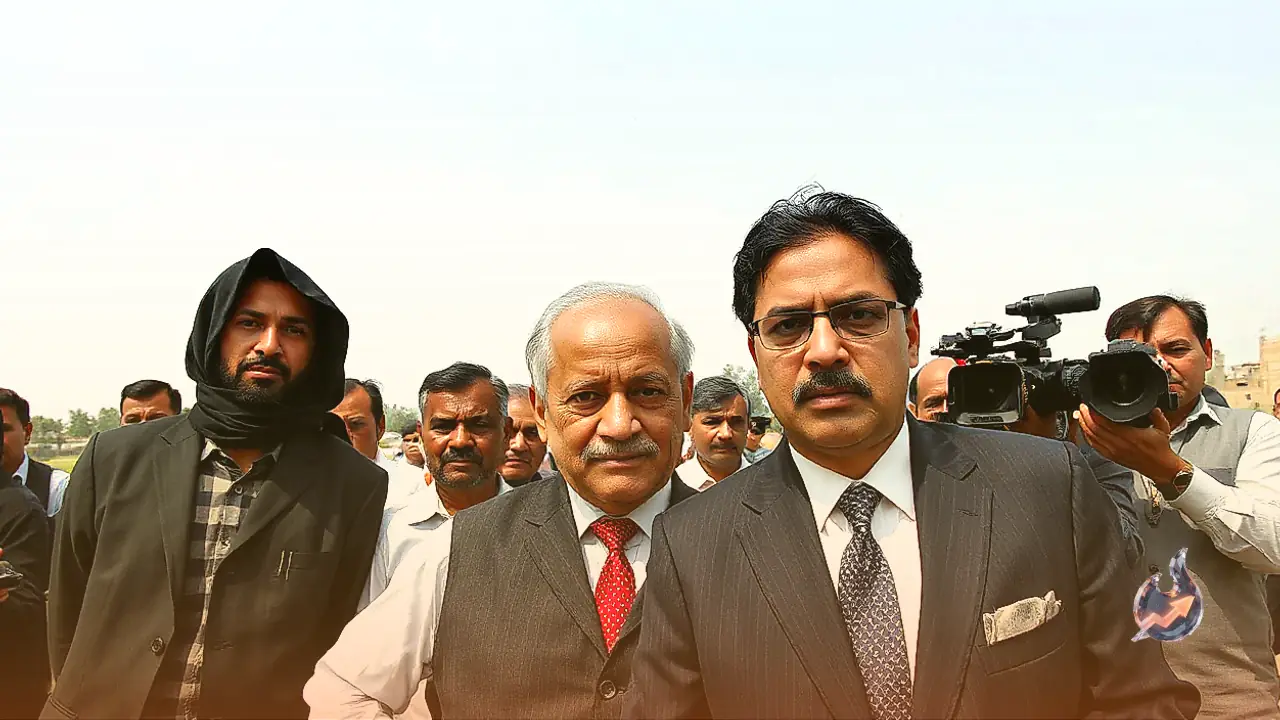

The United Nations climate conference held in Antalya, Turkey, concluded on Sunday without managing to reach any broad or comprehensive agreement among the participating nations. Following the inconclusive end of these high-stakes global deliberations, Union Environment Minister Bhupender Yadav issued a formal statement highlighting that India maintained a constructive approach throughout the proceedings and made persistent efforts till the very final moments.
Deadlock Over Fossil Fuels and Climate Finance
Union Minister Bhupender Yadav shared on the social media platform X that India deeply regrets the failure to build a consensus on the final draft of the agreement. The annual climate summit, designated as COP31, ultimately collapsed without a pact due to sharp divisions among countries over enacting strong commitments to gradually phase out fossil fuels and securing new, mandated funding amounts for international climate finance.
Emphasizing Support for Technology and Capacity Building
Bhupender Yadav pointed out that alongside setting ambitious climate goals, nations must also be equipped with the adequate means to implement them effectively. The transition toward clean energy must remain equitable, fair, and tailored to the unique circumstances of each individual nation, which requires developed countries to provide developing nations with vital assistance in finance, advanced technology, and capacity building.
India's Ongoing Domestic Progress
The Union Minister noted that the absence of a final multilateral consensus does not imply that efforts to combat global climate change have come to a standstill. He highlighted that India continues to drive consistent progress on the domestic front, with the country's total installed solar energy capacity having successfully surpassed the 170-gigawatt milestone.
Commitment Toward COP32 and Multilateral Cooperation
Bhupender Yadav reiterated that India remains firmly committed to a multilateral framework built entirely on consensus as the world looks ahead to COP32. He mentioned that speaking on behalf of like-minded developing nations at COP31, India raised a fundamental question regarding the very purpose of their gathering and the origins of the ongoing climate crisis, noting that historical and current emissions have consumed an disproportionately massive share of the global carbon budget.
Placing Equity and Climate Justice at the Forefront
Concluding his remarks, Union Minister Bhupender Yadav stressed that principles of equity and true climate justice must be positioned firmly at the core of all collective international endeavors aimed at mitigating the impacts of global climate change.