



















The political landscape of Malaysia is currently witnessing major turbulence, driven entirely by the situation surrounding former Prime Minister Najib Razak. At 73 years of age, the Malaysian leader had been incarcerated since August 2022. Serving time for his involvement in the multi-billion-dollar 1MDB corruption scandal, Razak has now walked out of standard prison to complete the remainder of his sentence under house arrest at his residence. The world is now watching closely to understand how this royal concession materialized and what the substantial financial settlement means for the local judicial system.
The Multi-Million Penalty and How the Funds Were Raised
Razak was previously convicted by a court in connection with the SRC International case tied to the broader 1MDB scandal. He had been handed a 12-year prison sentence alongside a severe financial penalty. However, in September of this year, the country's King issued a rare royal clemency order that commuted the remainder of his prison term into house arrest, with the strict precondition that the court-mandated fine must be paid in full first.
Asyraf Wajdi Dusuki, the secretary-general of Razak's party United Malays National Organisation, officially confirmed on Friday that the party successfully organized a nationwide fundraising campaign to collect the full amount of 50 million ringgit. This total has been deposited directly into the Kuala Lumpur High Court, effectively clearing the legal hurdles that stood in the way of his release into home confinement.
The 1MDB Scandal That Shook the Nation's Foundations
Comprehending this ongoing series of events requires a clear look at the 1MDB financial scandal. Following his rise to the premiership in 2009, Razak established a government investment fund known as Malaysia Development Berhad to accelerate the nation's economic development.
Within a few short years, reports of massive embezzlement began to emerge from the fund. Allegations surfaced that Razak and his associates misappropriated more than 4.5 billion dollars, roughly 37,000 crore rupees, siphoning the money to fund lavish lifestyles, luxury properties, expensive artwork, jewelry, and even the financing of Hollywood motion pictures. This monumental scandal severely shook the political foundation of the country, leading to his party losing power for the first time during the 2018 elections.
Heightened Security and Preparations in Kuala Lumpur
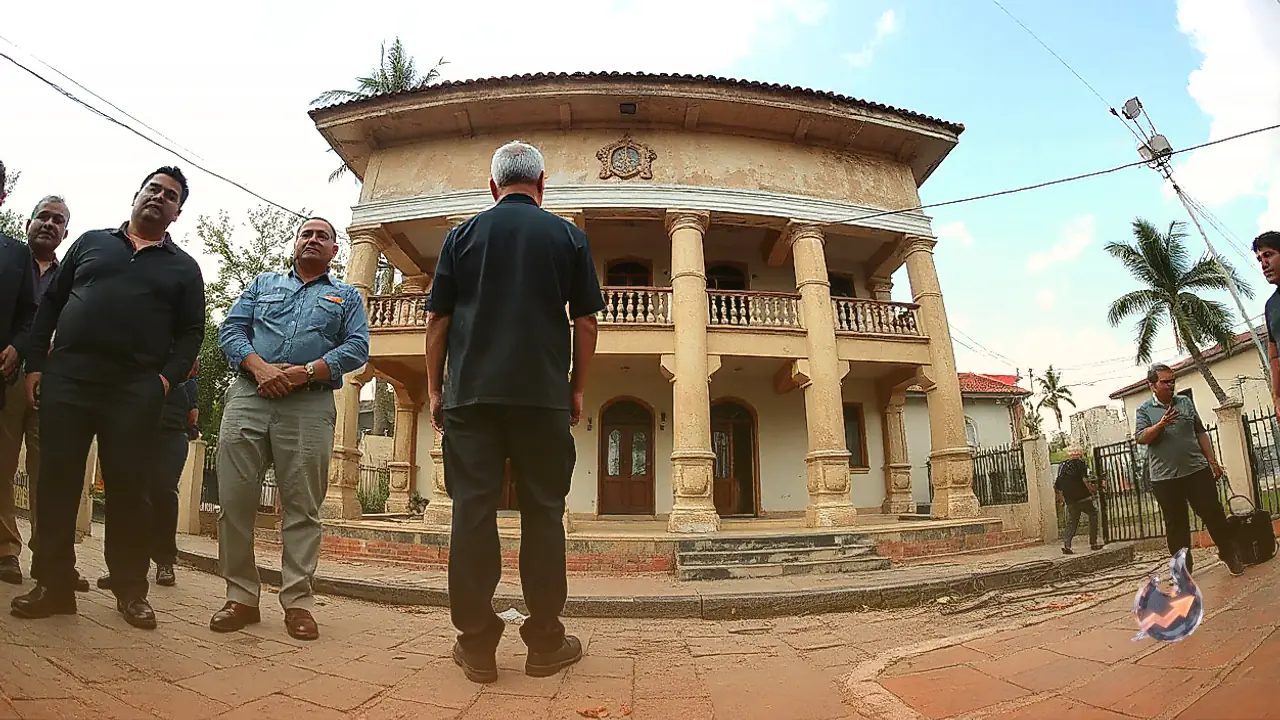
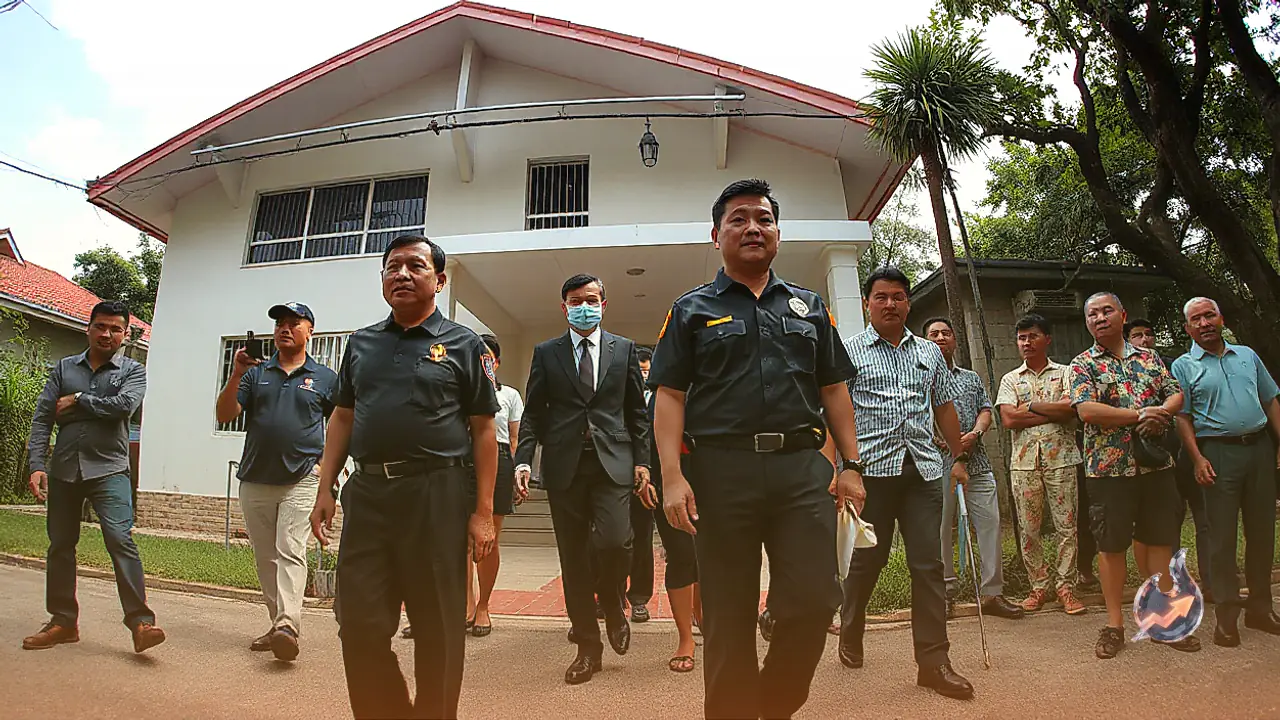
Immediately following the news of the fine payment reaching the court on Friday, security activity spiked dramatically outside Razak's luxurious Kuala Lumpur bungalow. Law enforcement agencies set up barricades along the approach roads leading to his residence and restricted passing traffic.
Although authorities have not yet officially disclosed the exact date and time for his transfer from prison to his home, preparations for his arrival have been finalized. Supporters believe that his return to a domestic setting could trigger significant shifts in contemporary national politics, given that his influence within his political organization remains substantial.
Questions Surrounding the Royal Pardon and Public Scrutiny
The relief granted to the former prime minister and the ability to secure house arrest through financial settlements have raised numerous questions among the public.
Concerns have been raised regarding potential double standards in the application of the law, questioning whether influential figures benefit from different judicial rules compared to ordinary citizens facing similar charges. Furthermore, local media outlets have extensively discussed the speed and methods behind gathering such a massive financial sum through public donations.
Uncertain Political Future and Ongoing Legal Battles
The transition of Razak from a prison cell to house arrest marks a delicate chapter for the government and judicial institutions. While he will no longer reside behind traditional prison walls, ongoing legal proceedings and additional corruption trials against him will continue to proceed. Observers worldwide are now monitoring whether he will manage to rebuild his political influence from home or if this arrangement will serve merely as a compassionate concession for his advancing age.