







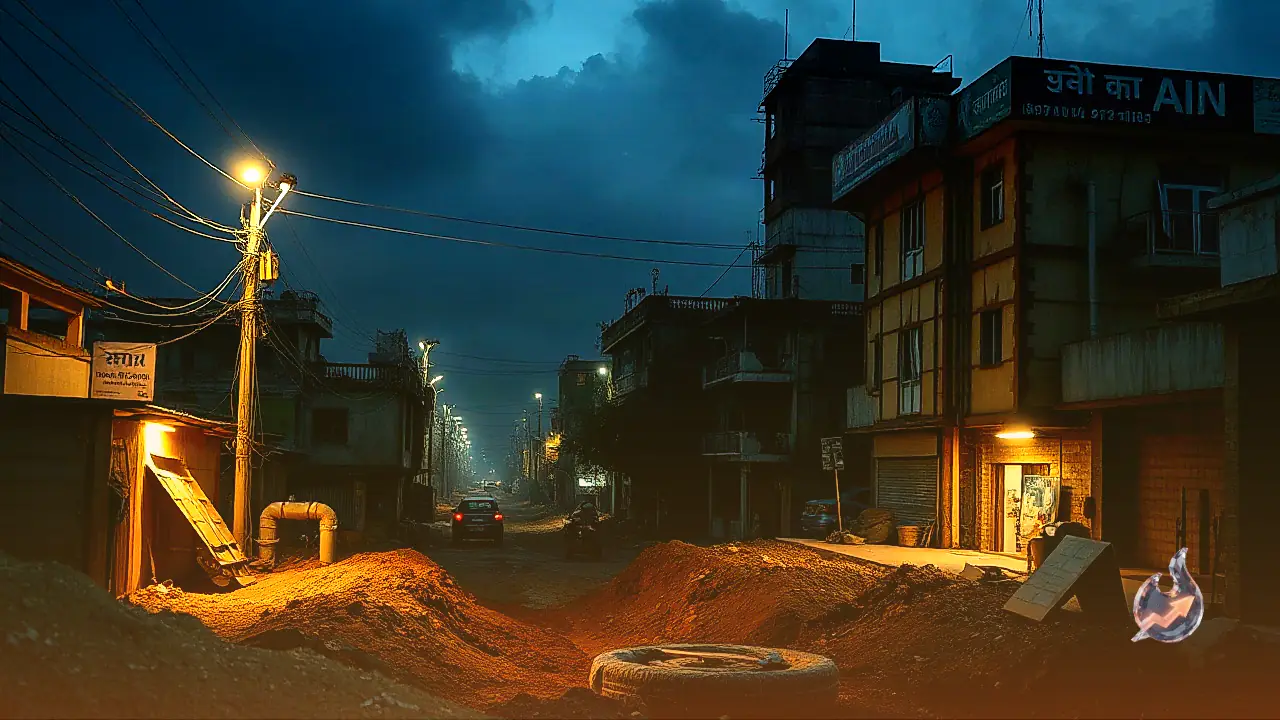
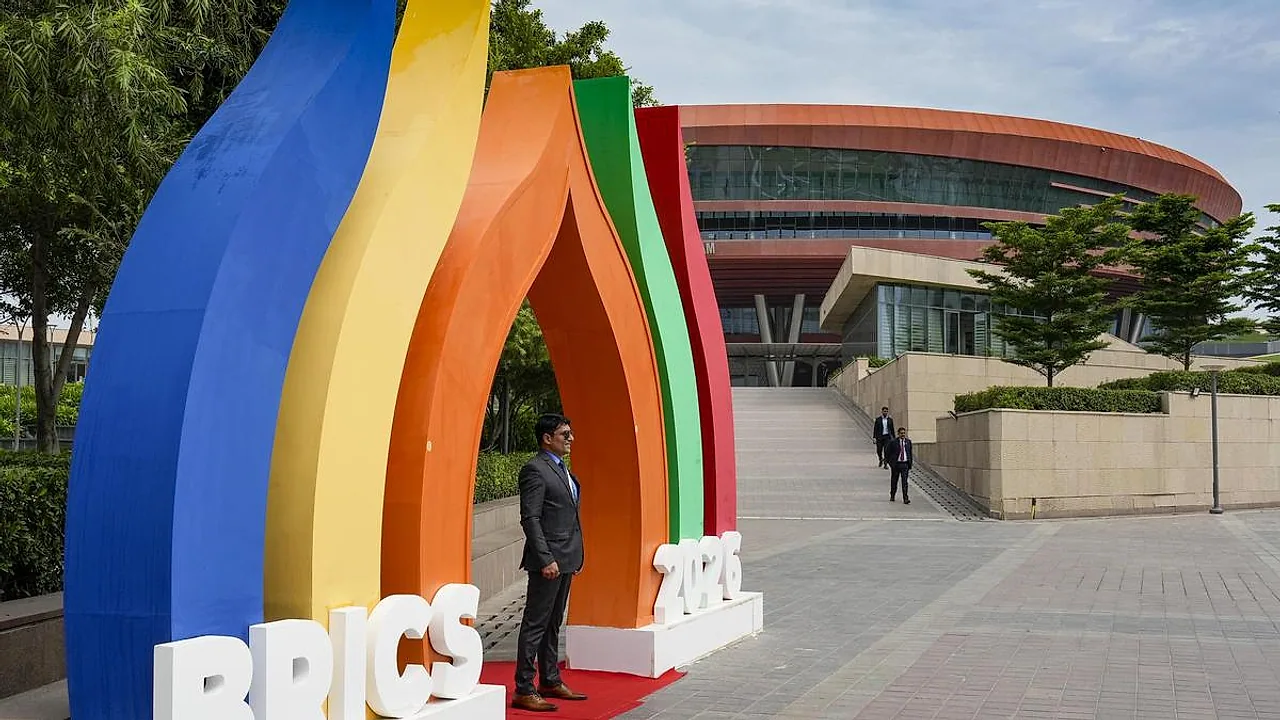















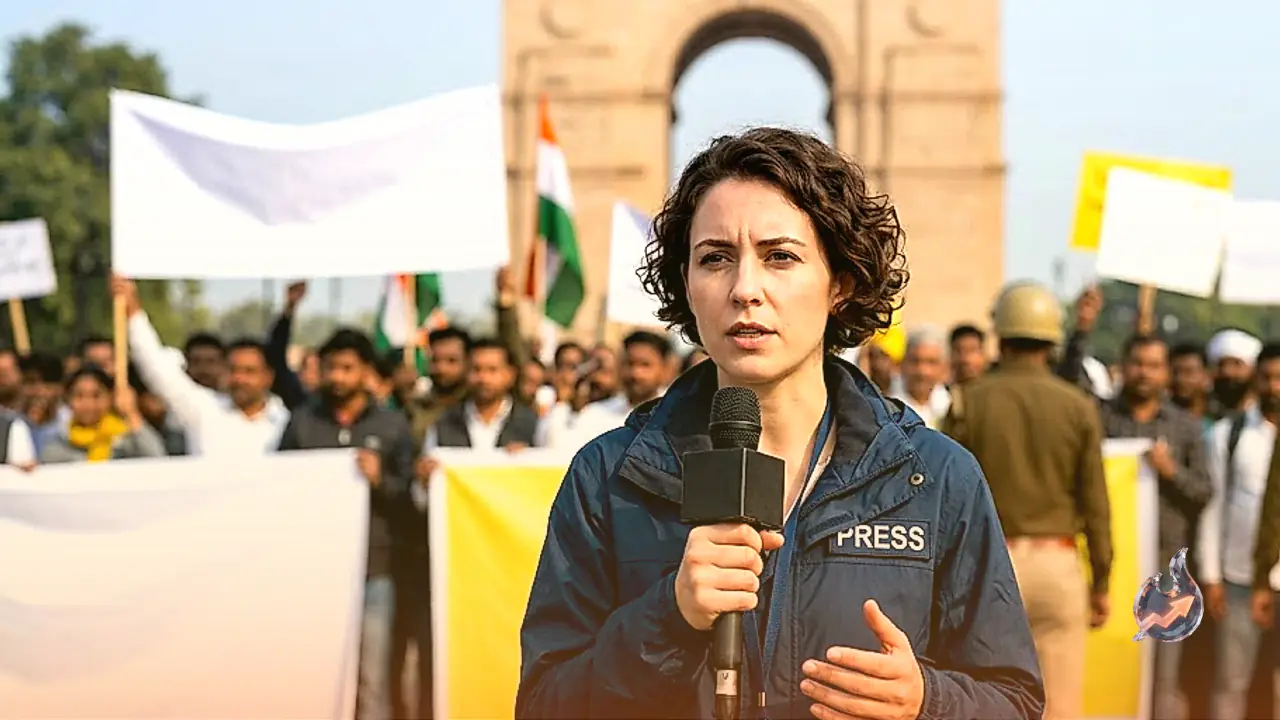

Tensions remain exceptionally high across Pakistan occupied Kashmir, commonly referenced as PoK, following widespread public demonstrations and severe action by local security forces. As residents take to the streets to protest mounting administrative pressures and economic hardships, global human rights watchdogs have expressed grave concern over the situation. However, the response from major Western news organizations has sparked intense debate, with critics highlighting a troubling silence from networks that traditionally pride themselves on defending global civil liberties. This minimal reporting stands in stark contrast to the exhaustive, round-the-clock coverage these same international networks dedicated to recent demonstrations led by the Cockroach Janta Party, or CJP, in New Delhi. The disparity has drawn sharp scrutiny toward the editorial priorities and perceived biases of mainstream global journalism.
Humanitarian Crisis in PoK and International Interventions
The unrest in Pakistan occupied Kashmir stems from growing public anger against local security enforcement, rising inflation, and severe shortages of essential commodities. As citizens gathered in public spaces to demand fundamental rights and protection, security agencies reportedly implemented heavy-handed measures to disperse crowds and suppress dissent. The deteriorating conditions prompted immediate statements from leading international organizations. Both the United Nations, or UN, and Amnesty International raised strong objections to the escalation of force against unarmed civilians. These international bodies explicitly urged authorities to cease all aggressive enforcement measures immediately and guarantee the safety and fundamental freedoms of the local population.
Despite these formal warnings from global bodies, mainstream international news channels have refrained from providing comprehensive coverage of the ongoing events in PoK. Political analysts observe that while international watchdogs issued urgent appeals, major global broadcasters largely relegated the developments to brief mentions or omitted them altogether. The daily struggles and safety concerns of the affected residents remain largely absent from global television screens, leading critics to argue that international media outlets are failing in their core duty to document human rights concerns universally.
Selective Reporting by Western Networks and Domestic Suppression
Prominent international news organizations including the BBC, CNN, Fox News, and France 24 have come under intense criticism for their editorial choices regarding the region. Comparative content analyses reveal that these networks provided minimal airtime and investigative depth to the violence and civil rights issues in PoK. While minor political developments in other parts of South Asia frequently command extensive prime-time debates and special assignments, the severe measures deployed against civilians in PoK have received virtually no dedicated coverage. Media monitors have described this pattern as a clear demonstration of selective reporting and double standards in international journalism.
This reporting deficit is further compounded by domestic censorship within Pakistan. Local media outlets operate under strict regulatory and administrative constraints, preventing them from broadcasting independent reports regarding the ground reality in PoK. As a result, news concerning public discontent and security operations is systematically suppressed within domestic channels, leaving local residents with limited avenues to voice their grievances to the wider world.
Geopolitical Alignment and Diplomatic Influence
Diplomatic observers suggest that the cautious approach taken by Western media outlets regarding security operations in Pakistan may be influenced by underlying geopolitical relationships. Historically, Western nations, particularly the United States, have maintained strategic and military engagements with Pakistan. Analysts argue that these long-standing diplomatic ties often translate into a softer editorial posture toward security operations conducted by Pakistani authorities. While news organizations maintain that their editorial decisions remain independent of government foreign policy, historical reporting trends frequently reflect an reluctance to challenge strategic allies with the same intensity applied elsewhere.
Amid the general absence of coverage from major news networks, several members of the British Parliament have stepped forward to address the situation in PoK. These lawmakers have utilized parliamentary platforms to highlight human rights concerns in the region and urge the international community not to look away. They emphasized that despite the lack of global media spotlight, international bodies must maintain active oversight and push for the protection of civilian rights in PoK.
Comparative Analysis: Delhi Protests Versus PoK Unrest
The contrast in global media priorities becomes particularly evident when comparing the coverage of the PoK situation with recent events in India. During the recent protests organized by the Cockroach Janta Party, or CJP, in New Delhi, global news outlets deployed extensive resources to cover every aspect of the demonstrations. International channels featured continuous live updates, detailed analytical pieces, prime-time panel discussions, and prominent front-page feature articles. Commentators on these networks frequently offered sweeping assessments regarding governance, historical context, and democratic norms in India.
In sharp contrast, the ongoing crisis in PoK, which directly impacts human safety and fundamental civil liberties, has drawn almost no equivalent investigative interest from the same newsrooms. Critics contend that this disparity illustrates how human rights coverage by major Western networks is often applied selectively based on geopolitical convenience. When minor political demonstrations in one country receive overwhelming global attention while severe civilian repression in another is largely overlooked, it raises fundamental questions regarding the objectivity and credibility of international news institutions.
Implications for Global Journalism Standards
The fundamental tenets of journalism dictate that news organizations must report on human suffering and governance issues with strict neutrality and consistency. However, the handling of the PoK crisis highlights an ongoing challenge within international journalism, where global reporting priorities frequently align with broader Western strategic interests. Human rights advocates express concern that such selective focus undermines public trust in global media institutions and leaves vulnerable populations feeling abandoned by the international community.
In an era dominated by digital communication, alternative information channels are increasingly filling the void left by traditional news outlets. Despite the absence of regular reporting from major television networks, citizen video documentation and digital updates from PoK continue to reach external audiences. These grassroots updates underscore the reality that while mainstream media may choose to look away, digital connectivity ensures that ground realities cannot be completely concealed from the global public.


