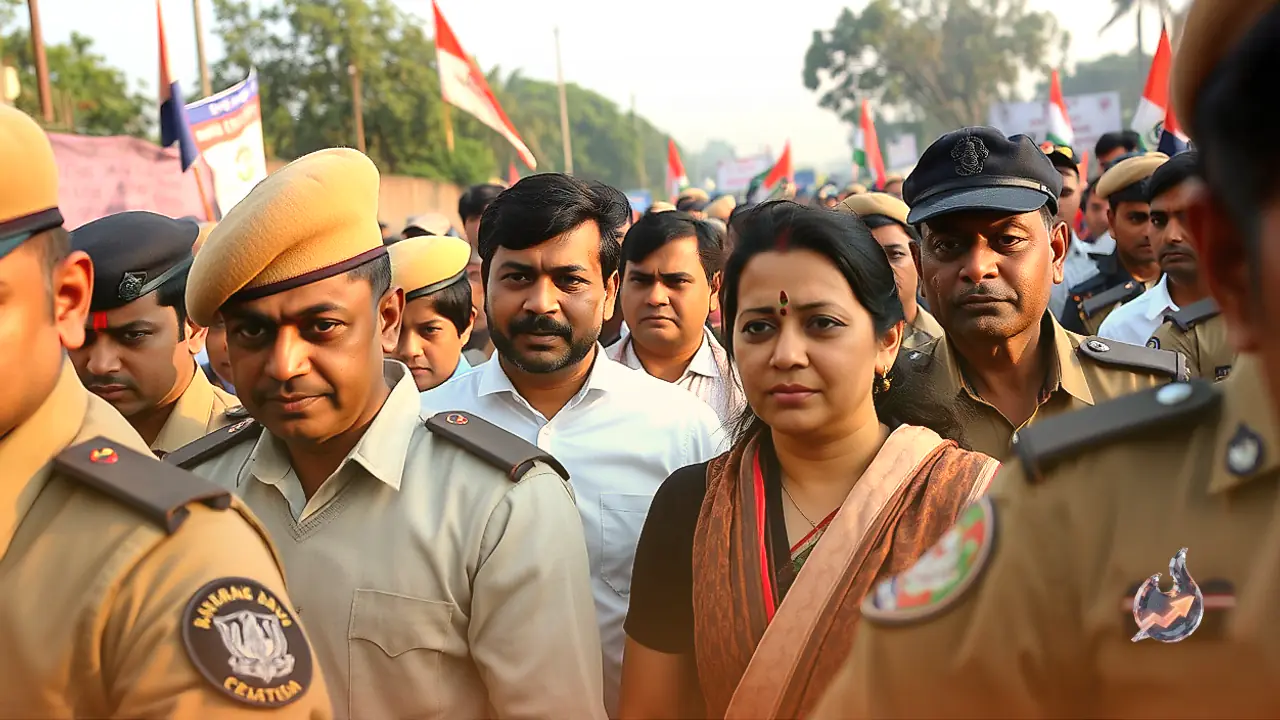















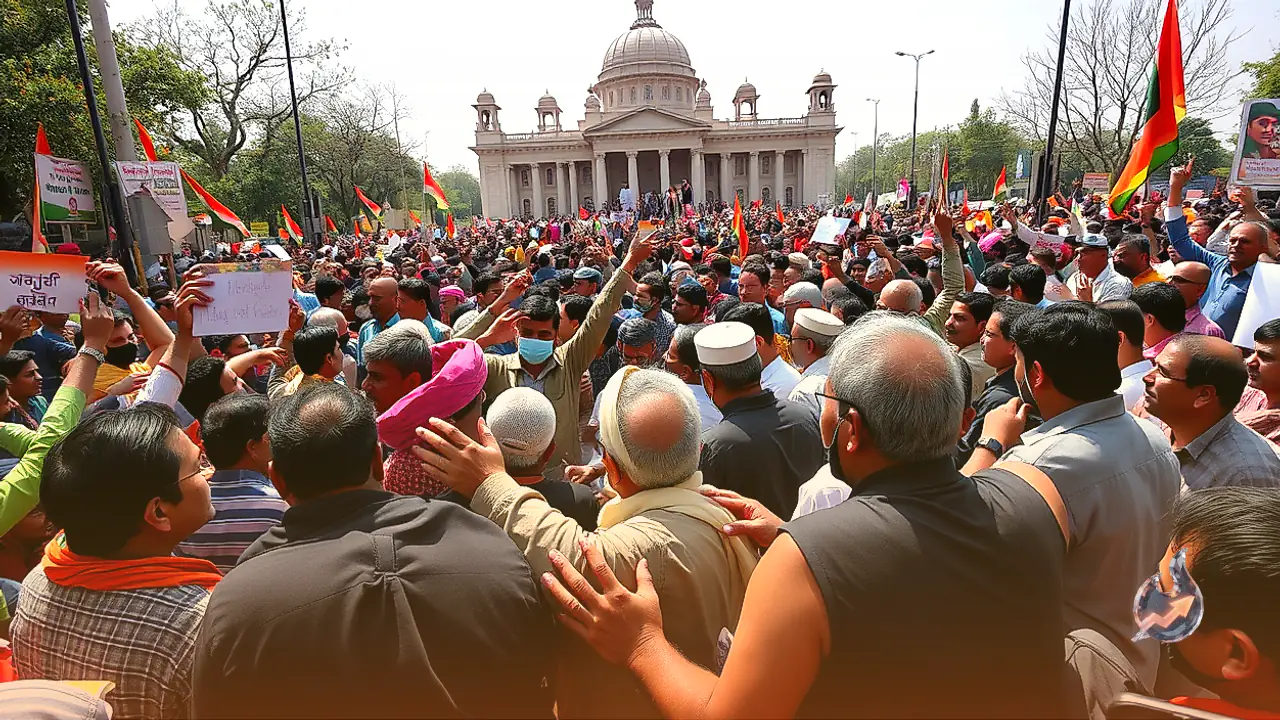

The battle over electoral integrity and the conduct of democratic institutions moved from the floors of Parliament straight onto the avenues of the national capital. Demanding the stepping down of Chief Election Commissioner Gyanesh Kumar over alleged manipulation in the special intensive revision of electoral rolls, opposition lawmakers staged a high-voltage march that quickly escalated into a tense standoff with law enforcement. At the center of the spectacle was Rahul Gandhi, whose direct physical defiance and visible combativeness caught the entire political landscape by surprise. For years, rival politicians labeled him an armchair strategist confined to air-conditioned chambers, but the unfolding visuals on the tarmac delivered a decisive break from that legacy.
Challenging Institutional Integrity and the Electoral Watchdog
The core catalyst for the opposition mobilisation was a set of serious allegations surrounding voter registration rolls. Demonstrating leaders claimed that severe irregularities occurred during the special intensive revision exercise, compromising the fairness of upcoming democratic contests. Marchers directed their anger toward the top leadership of the poll body, explicitly demanding the resignation of Gyanesh Kumar. Addressing the public momentum, Rahul Gandhi accused the governing establishment alongside poll authorities of playing dangerous games with democratic foundations. His assertive posture underscored that the opposition is no longer content with standard press releases, choosing instead to demand accountability through aggressive physical mobilization.
Clashes at the Perimeter and Akashvani Bhavan Sit-In
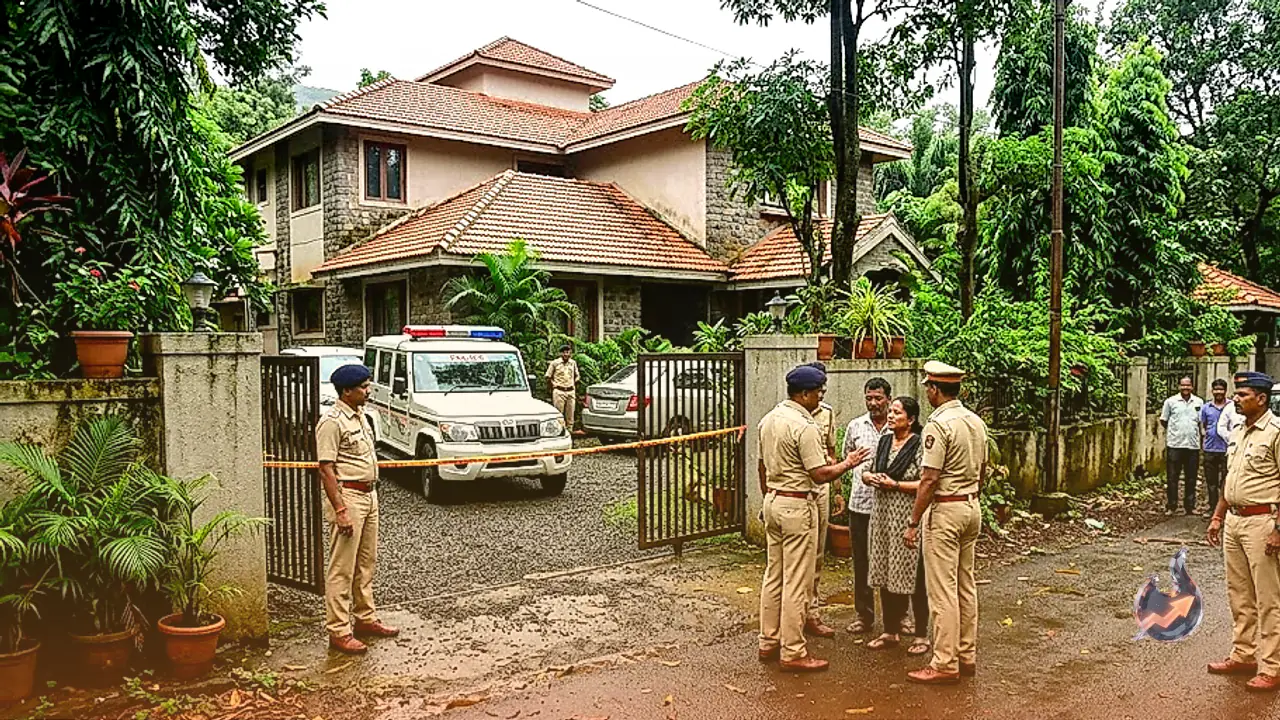
The resistance mounted by law enforcement failed to halt the marchers when police placed yellow barricades near Parliament Street. Scaling the metal barriers, Rahul Gandhi stood atop the barricades waving the national tricolour, an image that immediately electrified surrounding supporters. When security forces attempted to contain the swelling crowd, Rahul Gandhi breached the protective ring and made his way inside the premises of Akashvani Bhavan (AIR). A heated verbal and physical confrontation with security personnel followed at the gate, after which the opposition leader staged an indefinite sit-in right inside the complex, making it abundantly clear that he was unwilling to back down under administrative pressure.
Connecting with Gen-Z Through Unfiltered Street Action
Visuals of a frontline leader waving the tricolour atop police barricades carry significant resonance in modern visual-driven communication. Observers note that such energetic displays connect powerfully with Gen-Z and younger demographics, who generally look past polished rhetoric in favor of leaders willing to risk discomfort. From systemic grievances like exam paper leaks to demands for election transparency, youth sentiment favors direct confrontation against established authority. By taking the fight to the streets regardless of immediate consequences, the opposition leader demonstrated an appetite for sustained friction that aligns closely with contemporary youth aspirations.
The Counter-Attack: Accusations of Theatrics and Evasion
The ruling establishment mounted an equally aggressive response through a formal press conference, dismissing the street demonstration as sheer spectacle and deliberate disruption. Spokespersons for the Bharatiya Janata Party asserted that the opposition was merely manufacturing drama to mask repeated defeats at the ballot box while unfairly eroding trust in constitutional bodies. Countering his claims, government leaders ridiculed Rahul Gandhi as an absentee worker who relies on wild allegations instead of building sustained ground support. Rahul Gandhi answered firmly, declaring that he is prepared to go to any lengths to safeguard democracy and the Constitution, warning that wrongdoing will not go unaddressed.
Expanding Opposition Unity from Chambers to the Streets
Beyond individual defiance, the protest revealed expanding coordination across disparate opposition outfits. Alongside key leaders from the Samajwadi Party, lawmakers from the Biju Janata Dal (BJD), a party traditionally maintaining distance from the broader alliance, also joined the demonstration. The arrival of unaligned parties on common ground over election concerns points to an evolving political convergence. By placing himself at the forefront of police crackdowns, barricades, and detentions, Rahul Gandhi infused aggressive energy into grassroots party cadres. His transformation from a mild-mannered parliamentarian into an active, round-the-clock street fighter marks a strategic shift that could recalibrate future electoral campaigns.