





















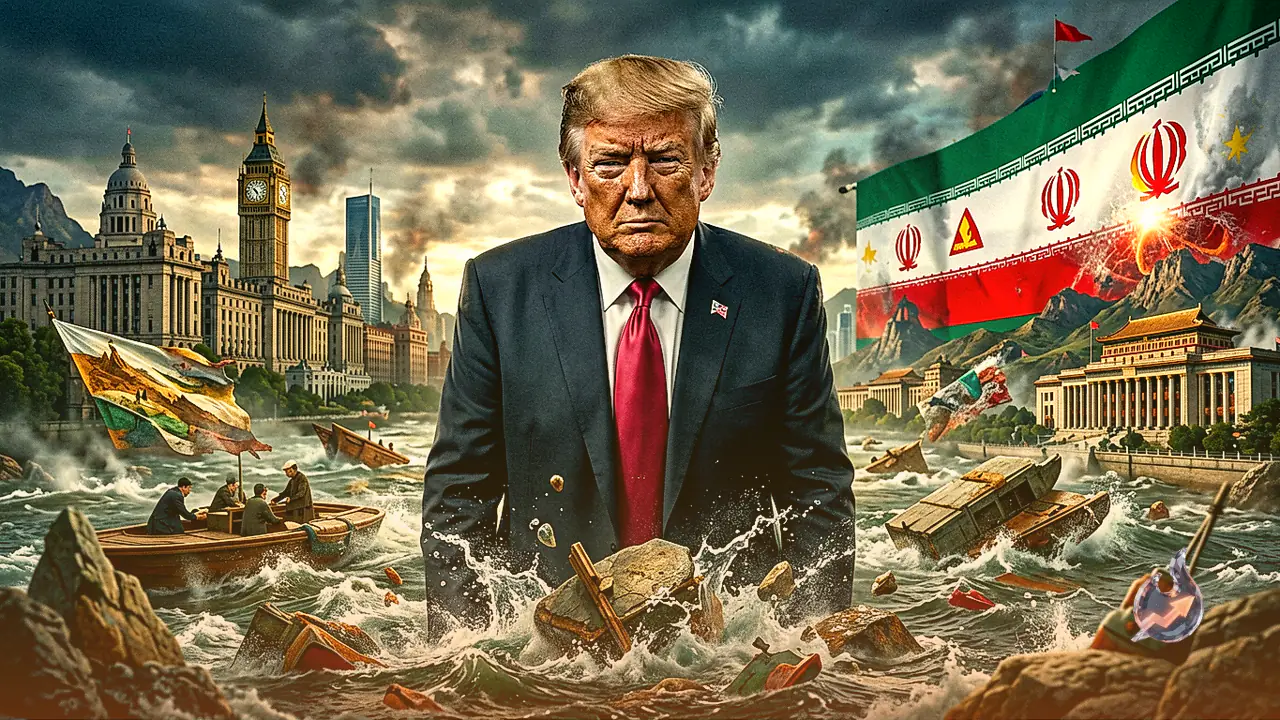

U.S. President Donald Trump has seemingly resorted to hardline tactics once again. Having spent roughly the past six months deeply entangled in a costly conflict with Iran, the current administration has seen its attempts to exit the quagmire fall short while suffering heavy damages. Amidst these setbacks, the U.S. leader has announced what are billed as the toughest economic sanctions yet against Tehran. Under these punitive measures, any nation continuing to engage in commerce with Iran faces direct financial penalties. The primary target of this aggressive policy is clearly China, which stands as Iran's largest trade partner and purchases about 80 percent of its crude oil. The second major player is Russia, which shares extensive military and economic ties with Iran, though Moscow is already heavily burdened by pre-existing American restrictions. This dynamic raises a critical question: if the mounting U.S. pressure pushes Russia and China into a direct, hardened alliance, can Donald Trump and his allies withstand their combined economic and military might?
China's Stance Against External Pressure
China remains Iran's indispensable commercial partner. In 2025, Beijing bought roughly 80 percent of all oil shipments dispatched from Iran. Consequently, if the U.S. administration moves to penalize Chinese corporations and financial institutions, the confrontation will quickly transcend the borders of Iran and transform into a direct showdown between Washington and Beijing. China has previously articulated its position with absolute clarity, asserting that unilateral sanctions are never a genuine solution to complex geopolitical problems. Given the current stakes, Beijing shows zero inclination to easily abandon its established trade ties with Tehran simply to appease American pressure.
Independent Refineries and the Limits of U.S. Leverage
According to reports, the central headache for Washington is that China's massive economy is not tethered to the U.S. financial system in a way that allows for easy subjugation. Many of the Chinese refineries importing Iranian crude operate with a high degree of independence, making direct coercive tactics exceedingly difficult to execute. Should Washington impose harsh penalties on major Chinese banks, it would undoubtedly inflict economic pain on Beijing, but it could easily trigger retaliatory economic measures against American interests. This reality is why analysts argue that exerting severe economic pressure on China under the guise of punishing Iran is far from simple. With both global superpowers already engaged in a simmering tech and trade cold war, the Iranian factor threatens to dangerously escalate bilateral tensions.
Russia Operates Outside Western Financial Systems
In contrast to China, Russia's structural position is fundamentally different. Having already been subjected to sweeping, comprehensive economic sanctions by the U.S. for years, the Russian economy is largely decoupled from Western financial architectures. As a result, slapping fresh sanctions on Moscow over its commerce with Iran will yield far less leverage for Washington than targeting an unconstrained nation. Furthermore, the diplomatic and strategic ties between Moscow and Tehran have grown significantly stronger over recent years. Having jointly endured years of Western punitive actions, both countries have cultivated alternative pathways for commerce and monetary settlement that bypass American influence. In January 2025, Russia and Iran officially signed a 20-year strategic partnership treaty, expanding their bilateral trade across multiple sectors. This relationship extends well beyond energy commodities into vital military and defense cooperation, with regular transfers of armaments and tactical hardware reported between them.
The Threat of a Unified Economic Front
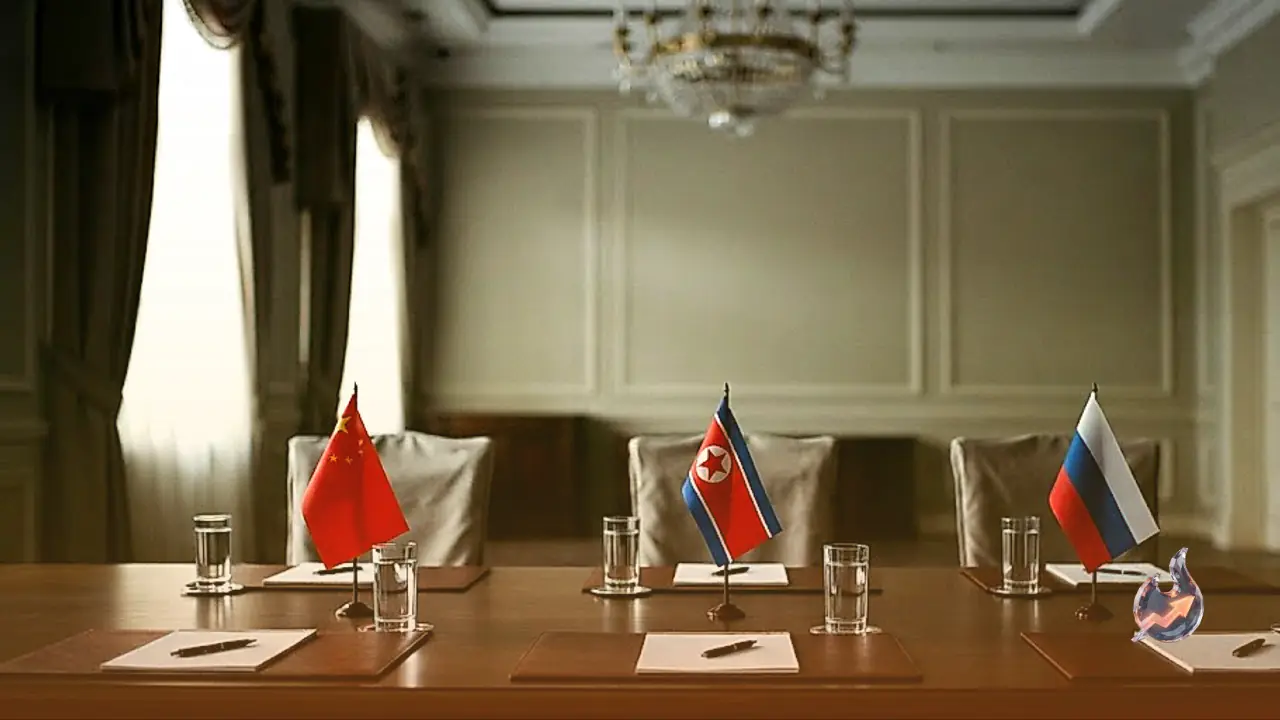
This is precisely the nightmare scenario that U.S. strategists would prefer to avoid. If China and Russia openly rally behind Iran on the economic front, the intended impact of American sanctions could be severely blunted. With Beijing acting as the primary consumer of Iranian petroleum and Moscow possessing vast expertise in navigating Western blockades, both nations boast independent trading frameworks. They are actively striving to increase transactions settled in local currencies, effectively providing Iran with viable commercial arteries outside the reach of Western markets. Consequently, the dispute expands far beyond a bilateral U.S.-Iran friction point, evolving into a formidable economic bloc of America versus a China-Russia-Iran axis. This standoff carries profound implications for global energy supplies. Any direct collision between Washington and Beijing over Iranian oil flows threatens to destabilize international energy markets, driving up crude prices and impacting numerous developing nations, including India, with inflationary shocks.