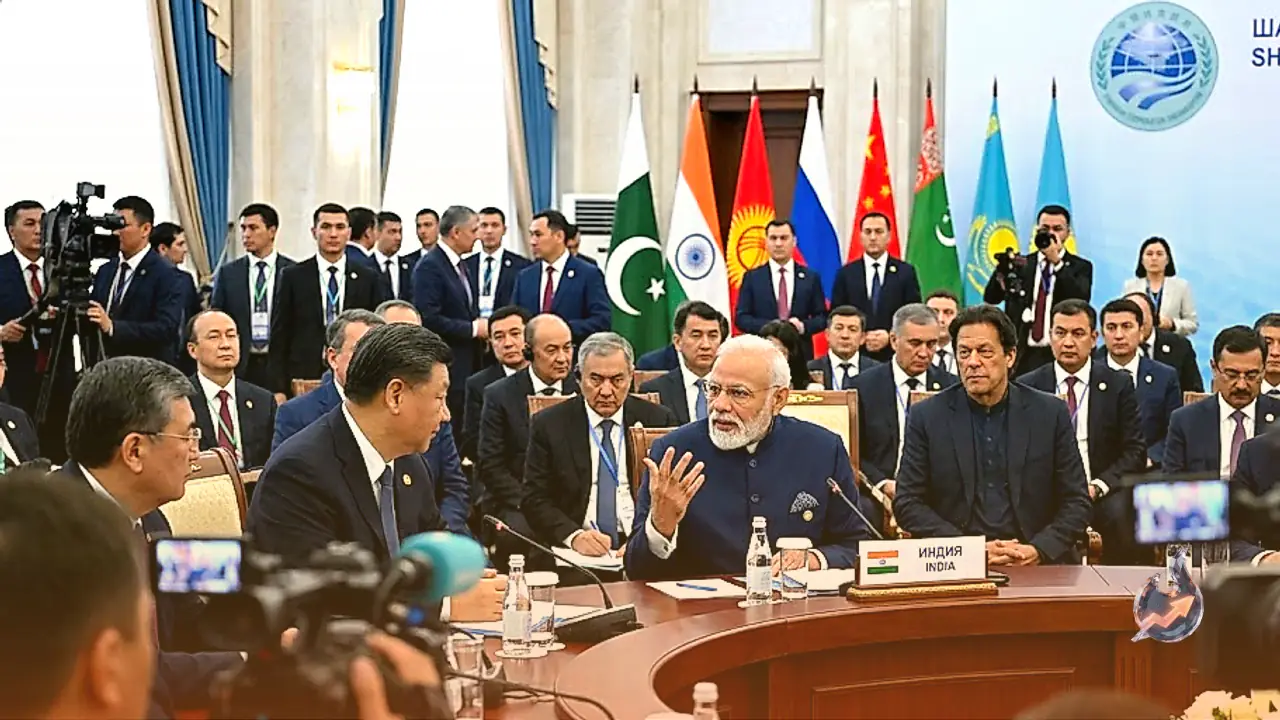























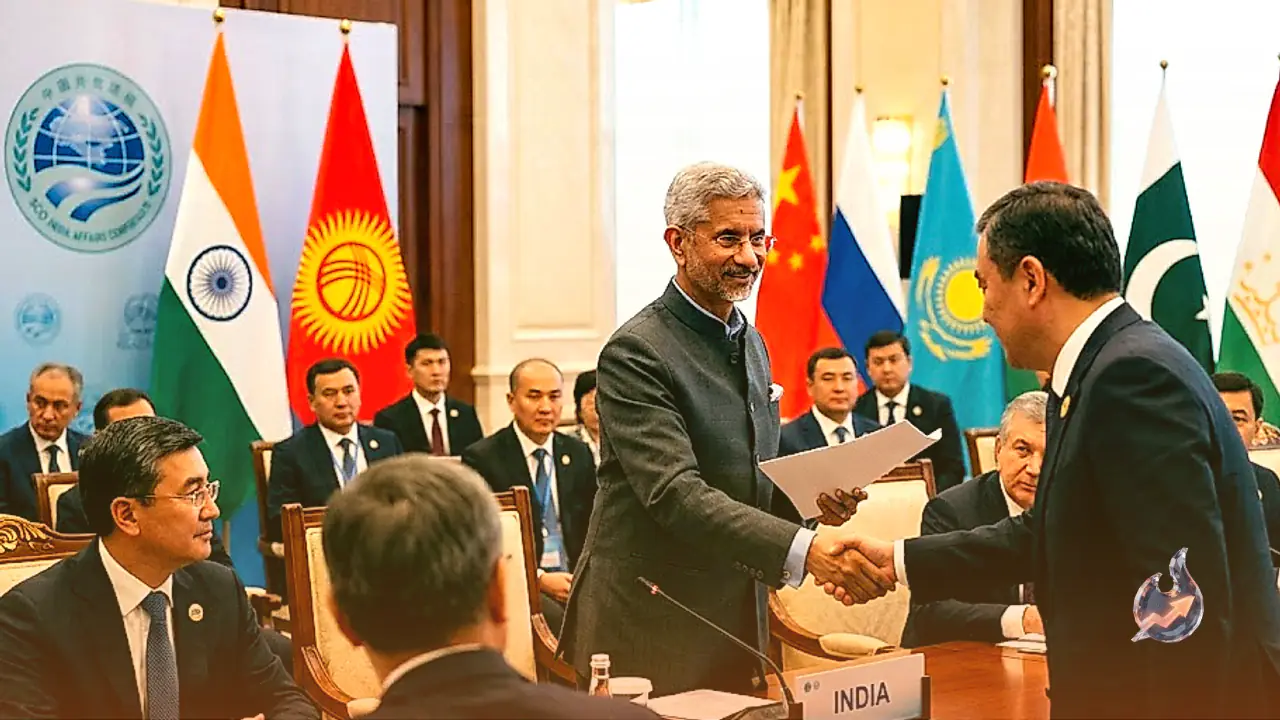

India has emerged with a significant diplomatic triumph at the recent Shanghai Cooperation Organisation summit held in Bishkek, where the joint declaration prominently incorporated the nation's key strategic perspectives and policy proposals, cementing its growing influence on the international stage.
During the high-profile gathering in the capital of Kyrgyzstan, member nations collectively reaffirmed their commitment to jointly combat terrorism, separatism, and extremism. The finalized manifesto explicitly stated that attempts by any state or faction to utilize terrorist, separatist, and extremist entities for geopolitical gains will no longer be tolerated under any circumstances.
A Direct Warning Against Cross-Border Threats
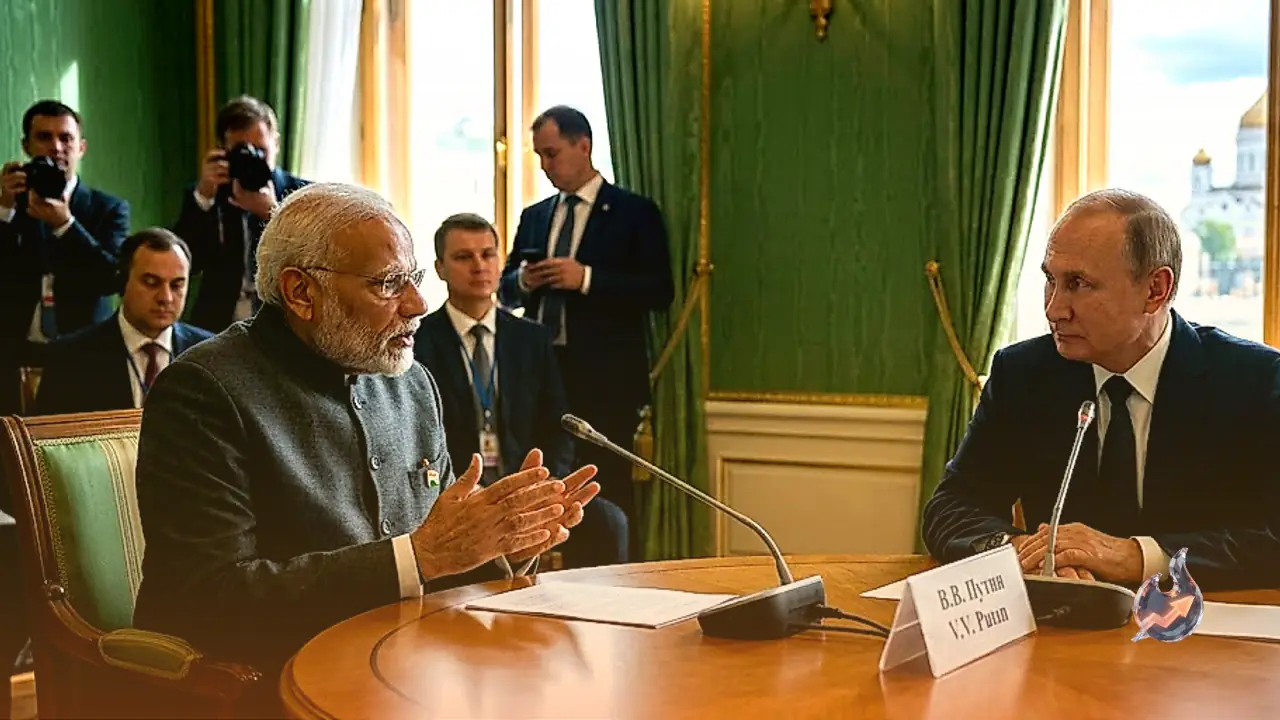
Addressing the assembly of heads of state, Prime Minister Narendra Modi delivered a sharp and unequivocal message targeting state-sponsored terror without directly naming Pakistan. He cautioned that employing terrorism as an instrument of state policy is completely unacceptable. This strong assertion carries immense weight, coming at a time when Pakistan is poised to assume the rotating presidency of the SCO for the upcoming year.
Rejection of Double Standards
A crucial milestone for New Delhi was the explicit consensus against maintaining double standards in the ongoing battle against terror. The international community was urged to take decisive action against all manifestations of terrorism, which directly encompasses the menace of cross-border terror.
Beyond security matters, the declaration formally endorsed India's initiatives rooted in science, technology, and innovation. Member states emphasized the importance of boosting youth engagement and ensuring the regular convening of the SCO Young Scientists Forum, an initiative originally championed by India.
Cultural Dialogues and Structural Reforms
Leaders at the summit also welcomed the upcoming hosting of the SCO Civilisation Dialogue Forum in India slated for 2026. Mutual agreements were reached to enhance collaborative ties among the youth, with specific recognition given to the contributions made by the India-led SCO Young Authors Conference.
Furthermore, a major structural shift was recorded in the declaration. Amendments to the SCO charter are underway to advance English as an official and working language of the organization. Ultimately, the Bishkek declaration reflected a clear alignment with India's uncompromising stance on security, its technological advocacy, and its broader diplomatic framework.