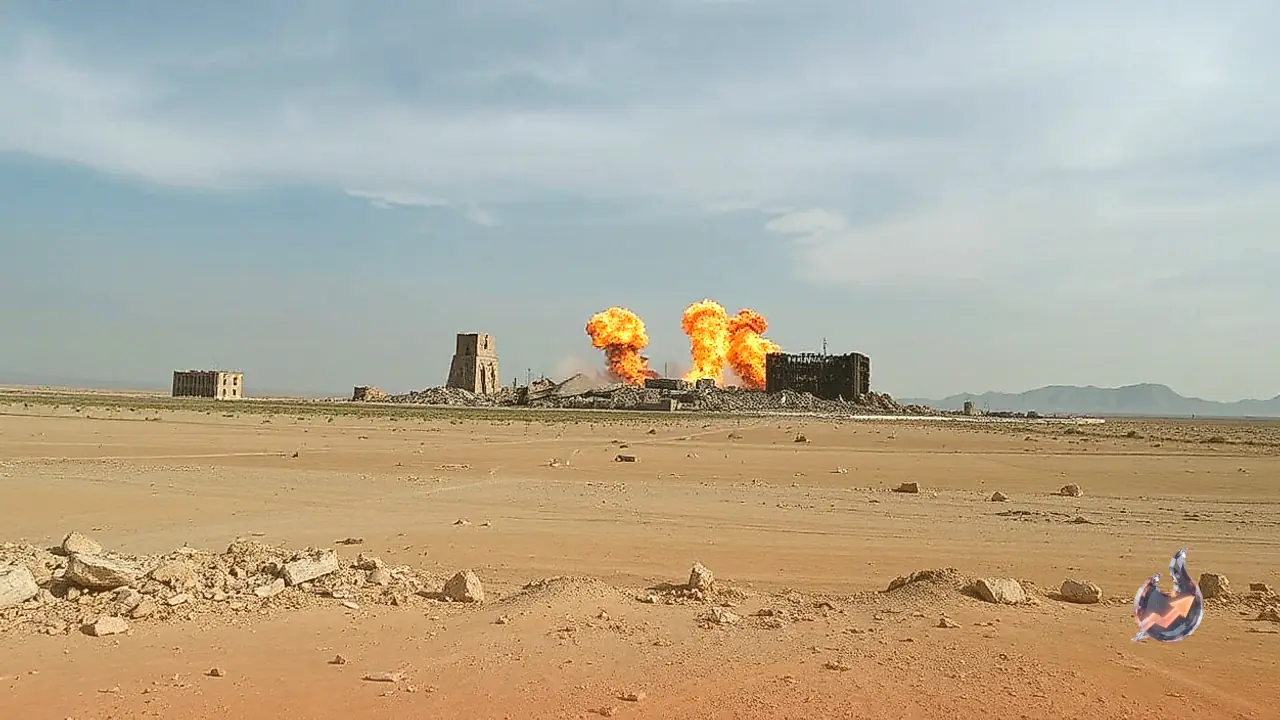




















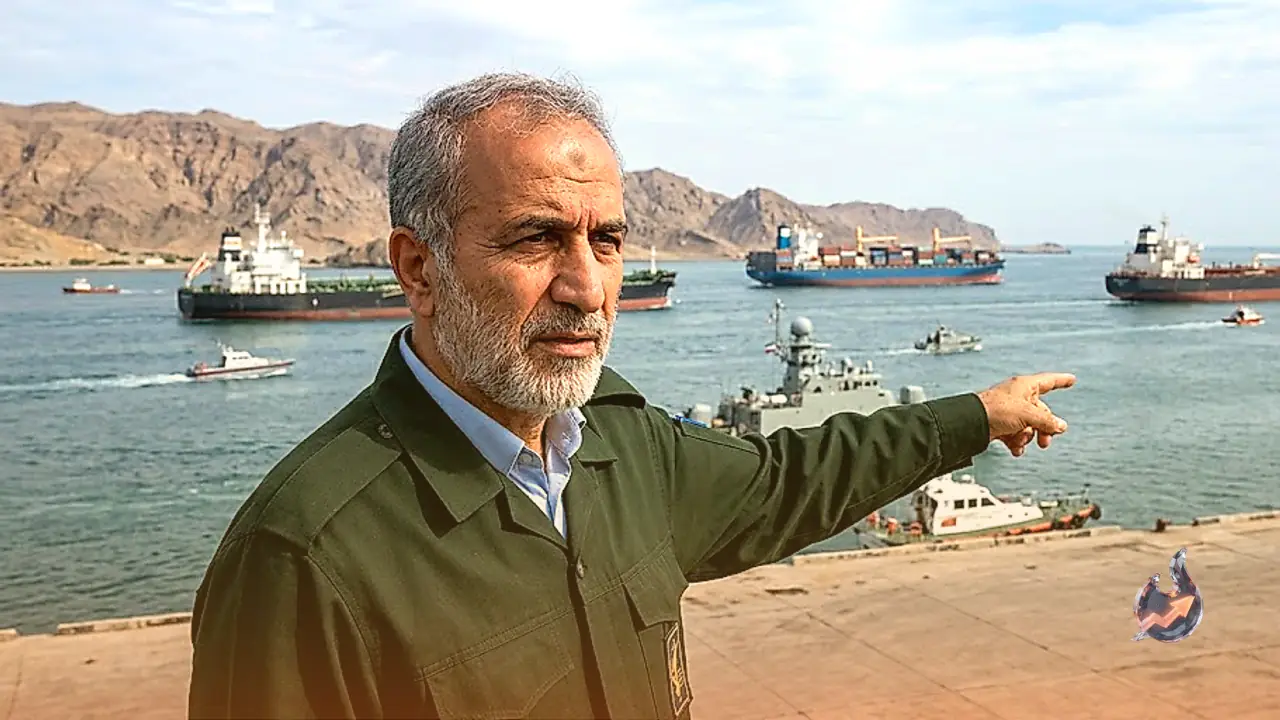

Iran's forces have struck three oil tankers that were using an unauthorized route through the Strait of Hormuz, along with a number of vessels linked to the United States. Iranian officials describe the strikes as retaliation for attacks the US carried out on Iranian tankers over the weekend.
A new 'restricted zone' planned near Hormuz
Iran's top security official, Mohsen Rezaee, said Tehran would establish a new restricted zone near the strategic waterway in the coming days. Describing the zone, Rezaee said it "will begin from the US Navy's blockade line and extend into parts of the Persian Gulf." He also made clear that any vessel entering this new zone would be placed on Iran's sanctions list.
A corridor deal with Oman
Rezaee further said Iran and Oman would sign an agreement in the coming days on a new corridor through the Strait of Hormuz. Under this arrangement, both the entry and exit points of the corridor would be placed under Iranian control, meaning Tehran would have direct oversight of which ships pass through and how.
Why the Strait of Hormuz matters so much
The Strait of Hormuz sits between Iran and Oman and ranks among the world's busiest oil shipping routes, carrying crude from major Persian Gulf producers out to open water. Any move to restrict traffic through this narrow passage, or to sanction vessels for using unauthorized routes, raises the possibility of disruption to oil that flows to markets around the world. Iran's plan to control the entry and exit points of a new corridor also signals an attempt to tighten its grip over shipping traffic through the area.
The episode fits into a broader pattern of tit-for-tat tanker attacks between Iran and the United States, with both sides describing their actions as responses to the other. Whether the new restricted zone and the Oman corridor agreement are formally put in place in the coming days, as Rezaee indicated, will be closely watched.