


















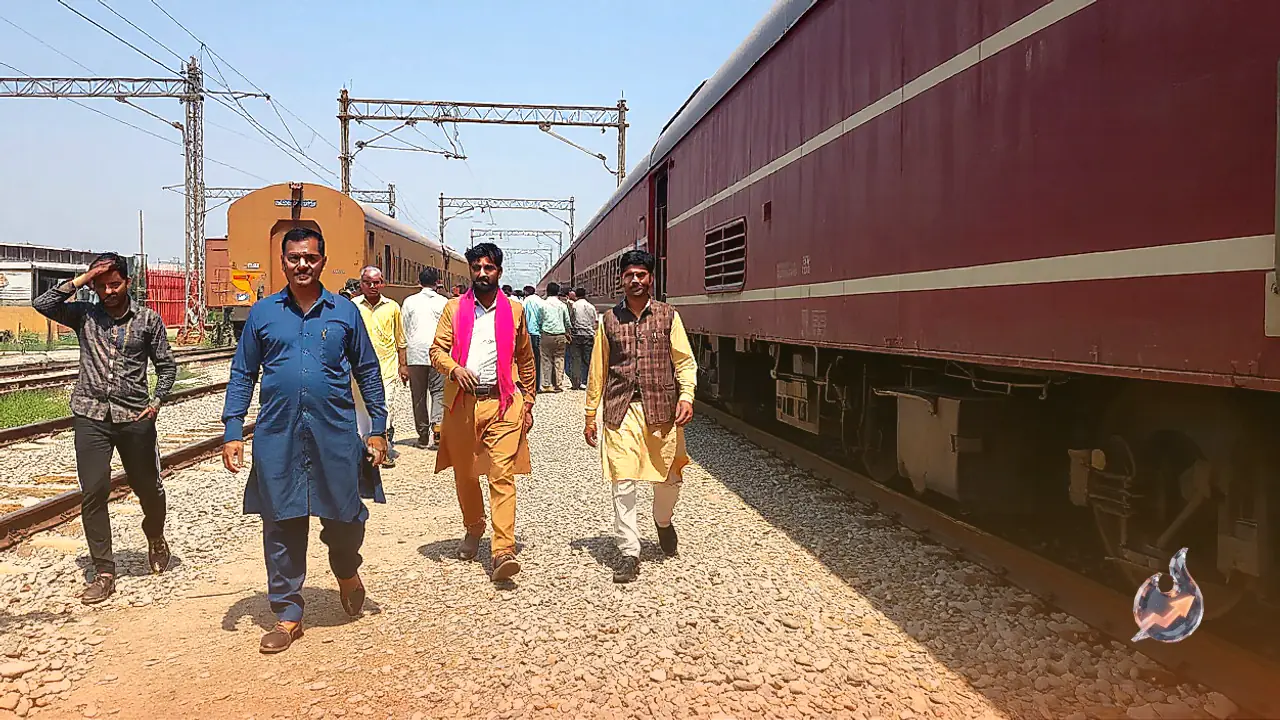

In an effort to salvage its battered reputation, Pakistan Railways has implemented a strict administrative emergency following a dismal year marked by systemic failures and continuous mishaps. After more than 55 serious rail accidents occurred throughout the year, the railway ministry finally stepped in with strict measures. Under directives issued by Railway Minister Hanif Abbasi, a three-month emergency has been enforced across the entire department. According to orders dispatched from the railway headquarters in Lahore, the scheduled leaves of all field officers have been cancelled through December 31. Dozens of innocent passengers have lost their lives in these frequent disasters, while government infrastructure worth crores of rupees has been destroyed. As public criticism mounts over the dismal state of train operations, the administration has introduced this paperwork-driven emergency response.
Mandatory Field Monitoring and Cancelled Leaves
To deflect criticism regarding its operational failures, the railway administration has ordered officials out into the field. Under the newly issued directives, field officers are now required to visit railway tracks every Sunday to personally monitor train operations. Furthermore, officials embarking on official tours are now strictly mandated to travel exclusively by train. Chief engineers belonging to both the civil and mechanical wings are required to submit daily compliance reports directly to the ministry. The safety head has similarly been instructed to furnish regular daily accounts of ground conditions. Railway Minister Hanif Abbasi stated that they will provide passengers with the safest possible journeys in line with the prime minister's vision. However, ordinary citizens continue to question how demanding daily reports can alter ground realities when the underlying infrastructure has completely decayed.
Alarming Statistics and Major Accidents This Year
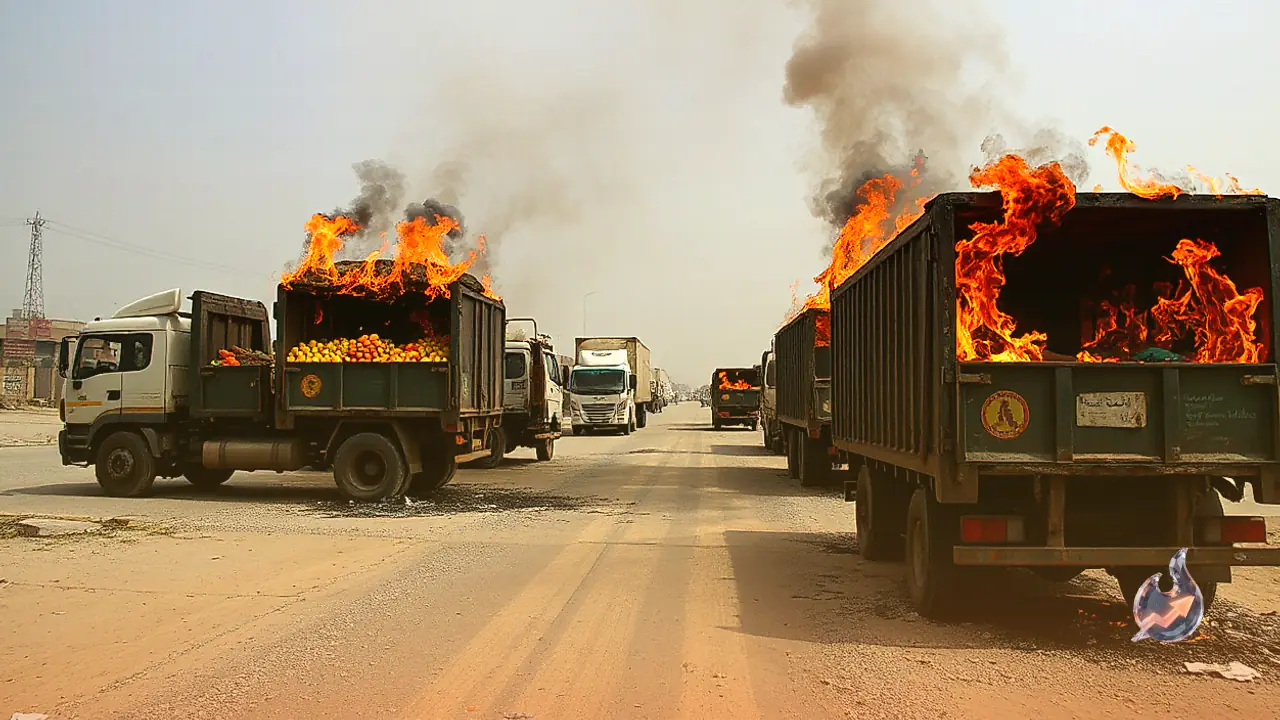
The statistics surrounding the deadly incidents on Pakistani railway tracks throughout the year paint a grim picture. From January 1 until now, more than 55 passenger and freight trains have derailed. The Sukkur, Karachi, and Multan divisions have emerged as major hotspots for these disasters, with the Yousufwala coal train alone meeting with multiple accidents. On August 27, 10 wagons of a freight train derailed near Khanpur. On the very same day, the engine and two coaches of the Rawalpindi Express went off the tracks near Kala Gujran. Subsequently, on September 27, the same coal train met with another accident near Khairpur. The Multan division also witnessed a major accident involving the Rahman Baba Express. These ongoing incidents clearly demonstrate that railway tracks across the nation have turned into death traps for travelers.
Passengers Depend on a Dilapidated Rail Network
Despite the persistent and fatal accidents, millions of impoverished citizens across Pakistan remain compelled to travel by train while risking their lives. Ordinary commuters point out that they possess no alternative affordable mode of transportation for their daily commutes. Critics argue that ministerial visits to the steel and carriage shops in Mughalpura amount to little more than superficial showmanship. The ground reality remains that railway workshops suffer from an acute shortage of spare parts and maintenance funding. The outdated signaling infrastructure has received no meaningful repairs over the years. Officials attempt to mask genuine structural flaws behind empty assurances and temporary measures. Enforcing an emergency until December 31 serves merely as a bureaucratic formality, making meaningful structural reform appear nearly impossible.