



















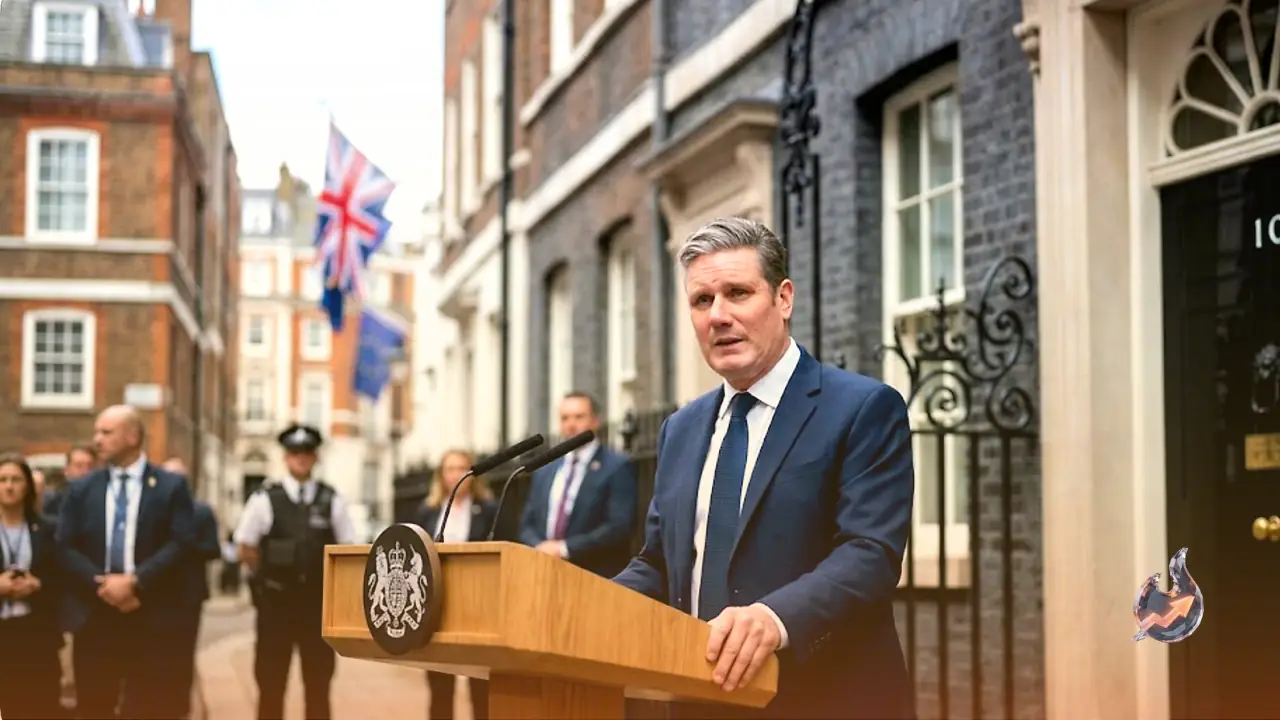

Keir Starmer has become the sixth British prime minister to leave office since the Brexit referendum of 2016, stepping down after his own parliamentary party concluded it was time for new leadership. The announcement came Monday morning outside his official residence on Downing Street in London, closing a tenure that had begun with considerable promise following Labour's landslide general election win in July 2024.
Starmer Speaks Outside Downing Street
Framing his exit in terms of democratic accountability to his own party, Starmer said: "The question my party is asking now is whether I am best placed to lead us into the next general election. I have heard the answer of my parliamentary party to that question, and I accept that answer with good grace." The next scheduled UK general election is not due until 2029.
A Premiership Undone by Tax Hikes and a Crushing Local Election Defeat
Starmer's standing with the British public had been eroding from almost the very start of his government. Voters confronted rising taxes, reduced public spending, and public services that failed to deliver the improvements Labour had promised. May's local elections brought the political reckoning into sharp focus: the party lost nearly 1,500 councillors across the country and surrendered control of 38 councils, a large portion of which were captured by Nigel Farage's challenger party Reform UK.
Andy Burnham's By-Election Win Forced the Crisis
The pressure reached a tipping point on Friday when Andy Burnham, the former Labour Mayor of Manchester, won a parliamentary seat through a by-election in North West England. That result cleared the eligibility hurdle that had kept Burnham out of a formal leadership contest. Given his considerable popularity within Labour, he was now positioned to mount a direct challenge to Starmer's hold on the premiership had the prime minister chosen to stay on.
Burnham Expected to Succeed Starmer
The succession picture appears to be settling quickly. Burnham is widely expected to take over, a prospect reinforced when former Health Secretary Wes Streeting, who had resigned from Starmer's cabinet last month and had previously pledged to stand in any leadership race, announced his backing for Burnham's candidacy. Starmer will remain in post as prime minister while Labour conducts its internal leadership election, a process he indicated would conclude before parliament returns in September.
Trump Predicted the Fall
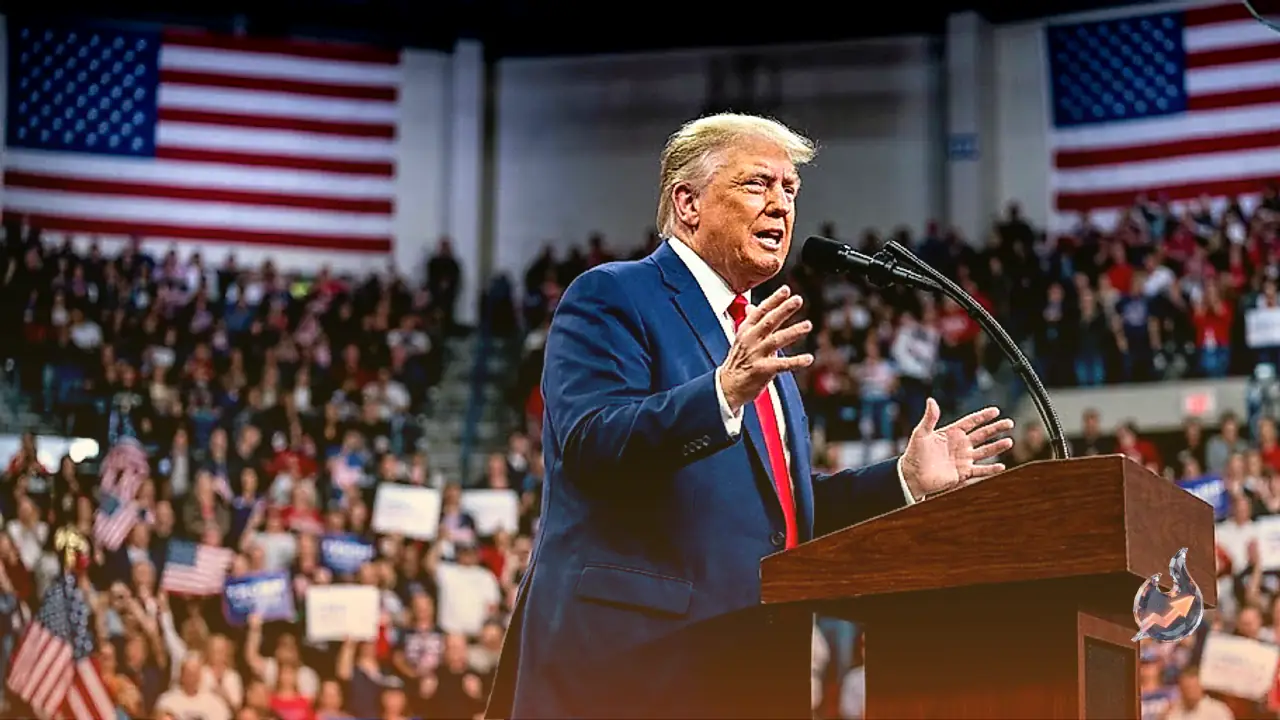
Donald Trump added an international dimension to the crisis over the weekend, posting on his Truth Social platform to predict the resignation and accuse Starmer of having "failed badly" on immigration and energy. The immigration picture is more complicated than Trump suggested: net migration to the UK did fall during Starmer's premiership. However, the government's failure to reduce small boat crossings sustained a powerful public narrative of weakness on unauthorized immigration. Trump has also been a vocal critic of Labour's restrictions on oil and gas drilling in the North Sea.
Six Prime Ministers in One Decade
Britain's pace of leadership turnover since the Brexit vote is without precedent in the modern era. David Cameron walked out the morning after the 2016 referendum result. Theresa May resigned in 2019, unable to build the parliamentary support needed to pass her Brexit deal. Boris Johnson was toppled by a wave of ministerial resignations and personal scandals. Liz Truss lasted only weeks before the market turmoil triggered by her mini-budget ended her tenure. Rishi Sunak was swept from office when Labour's landslide in the July 2024 general election ended 14 consecutive years of Conservative rule, a stretch that had itself seen five different Conservative prime ministers. At the time of that victory, Starmer had been sharply critical of the chaos that Conservative leadership churn had inflicted on the country. He now finds himself the sixth name on the very list he once condemned.
This is a developing story. Please check back for updates.