
















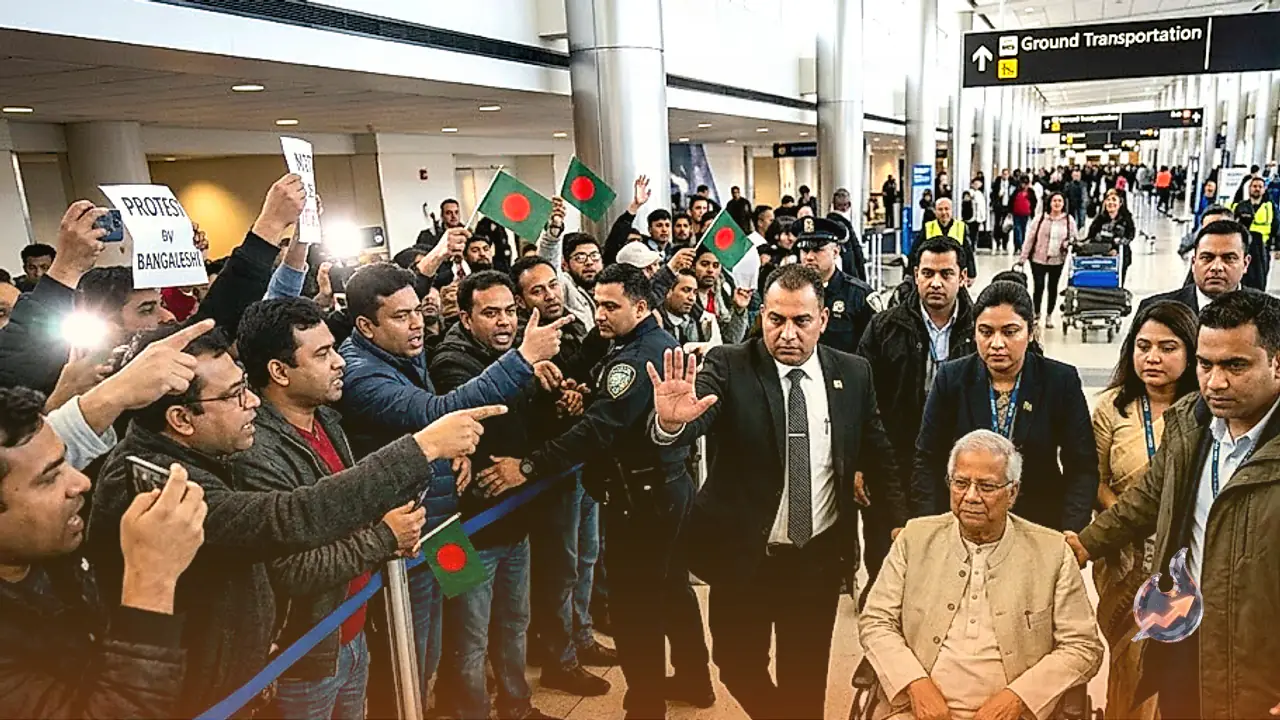

Professor Muhammad Yunus, the former chief adviser of Bangladesh, encountered sharp public confrontation upon arriving at New York's JFK airport on October 12. Bangladeshi expatriates gathered at the terminal shouted slogans directly questioning his governance, accusing him of responsibility for turmoil, police casualties, and democratic deterioration back home. Yunus, who was using a wheelchair and accompanied by senior aides including Lamia Murshed, was forced to navigate through hostile demonstrations. The airport standoff quickly reignited intense debates surrounding the consequences of the August 5, 2024 uprising that forced Sheikh Hasina from office, bringing the difficulties of the post-transition administration back into the international spotlight.
Airport Confrontation Triggers Diplomatic Pushback from Dhaka
Footage documenting the airport encounter circulated widely across social platforms, prompting an immediate official reaction from Dhaka. The Ministry of Foreign Affairs of Bangladesh issued a formal press statement forcefully condemning the harassment directed at the former chief adviser. Notably, the ministry's release explicitly linked the demonstrators to the banned Awami League, highlighting the continuing transnational reach of the displaced governing party.
Dhaka instructed its diplomatic mission in New York to collaborate with local American law enforcement agencies to pursue legal measures against those involved. This response underscores a determined strategy by Bangladesh's current administrative apparatus to defend its legitimacy abroad while actively neutralizing the Awami League's international footprint. It also demonstrates how deeply polarized the diaspora community remains following the dramatic political shift in Dhaka.
A Fractured Mandate and Growing Administrative Drift
When mass student-led demonstrations toppled the government of Sheikh Hasina in August 2024, the interim setup led by Muhammad Yunus was greeted with expectations of democratic revival and comprehensive institutional overhauls. Pledges were made to restore transparent governance, deliver justice, and guarantee fair electoral processes. Yet across roughly eighteen months, the anticipated democratic stabilization failed to gain firm traction, leaving citizens disillusioned.
A noticeable administrative vacuum emerged across the country. Macroeconomic pressures mounted, confidence in judicial impartiality eroded, and deteriorating law enforcement created space for mob actions and widespread vigilantism. The grand promises of institutional renewal gradually collided with day-to-day administrative dysfunction, raising sharp questions about the practical outcomes of the prolonged transition.
Rights Concerns and the Ban on the Awami League
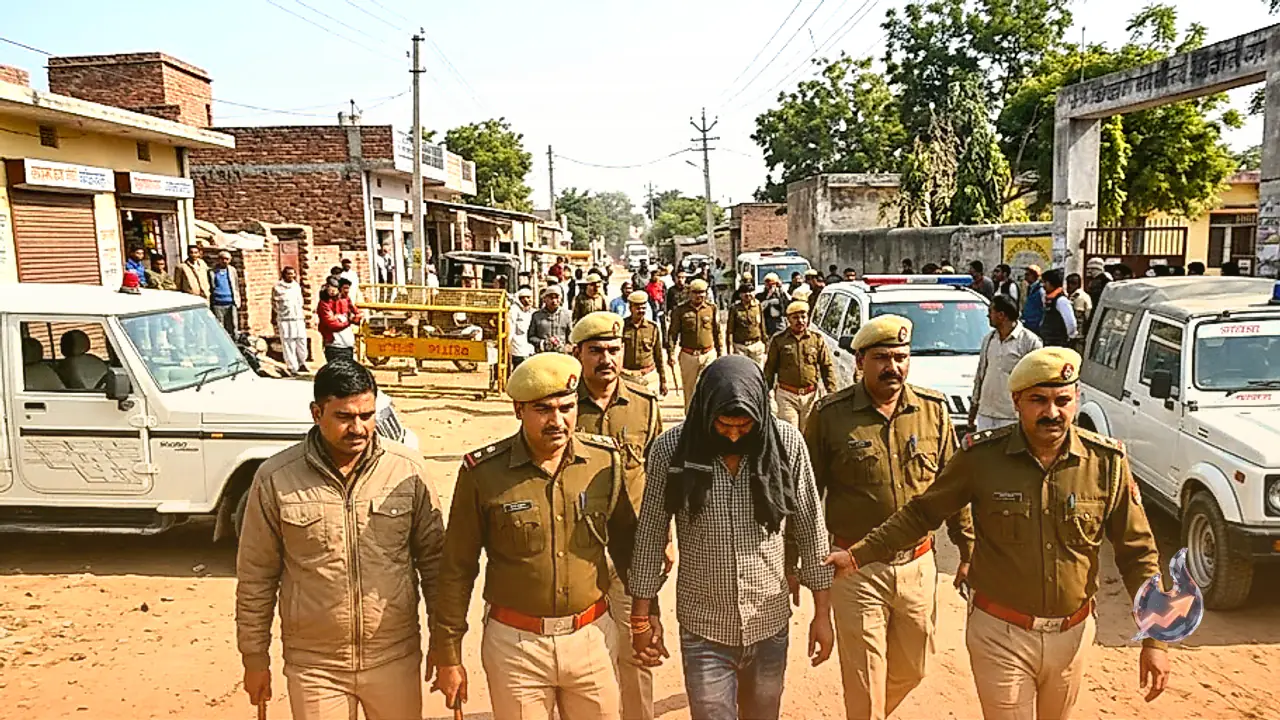
The criticisms leveled against the interim phase are not confined to political adversaries; international human rights organizations have similarly documented mounting structural strains. Human Rights Watch noted in its World Report 2026 that the interim administration struggled consistently to maintain basic public safety and institutionalize human rights protections. The report highlighted persistent complaints regarding arbitrary detentions targeting political rivals, especially Awami League loyalists.
Hundreds of opposition party officials, members, and supporters were detained in connection with murder cases, with many denied bail over prolonged intervals. This standoff escalated sharply between May 10 and May 12, 2025, when the interim authorities implemented revisions to the anti-terrorism legislation to officially outlaw the political activities of the Awami League. While the administration justified the move as an imperative for national security and justice for victims of the 2024 student uprising, it effectively excluded a party that had shaped Bangladesh's electoral landscape for decades.
Vigilantism, Minority Protection, and Stalled Reforms
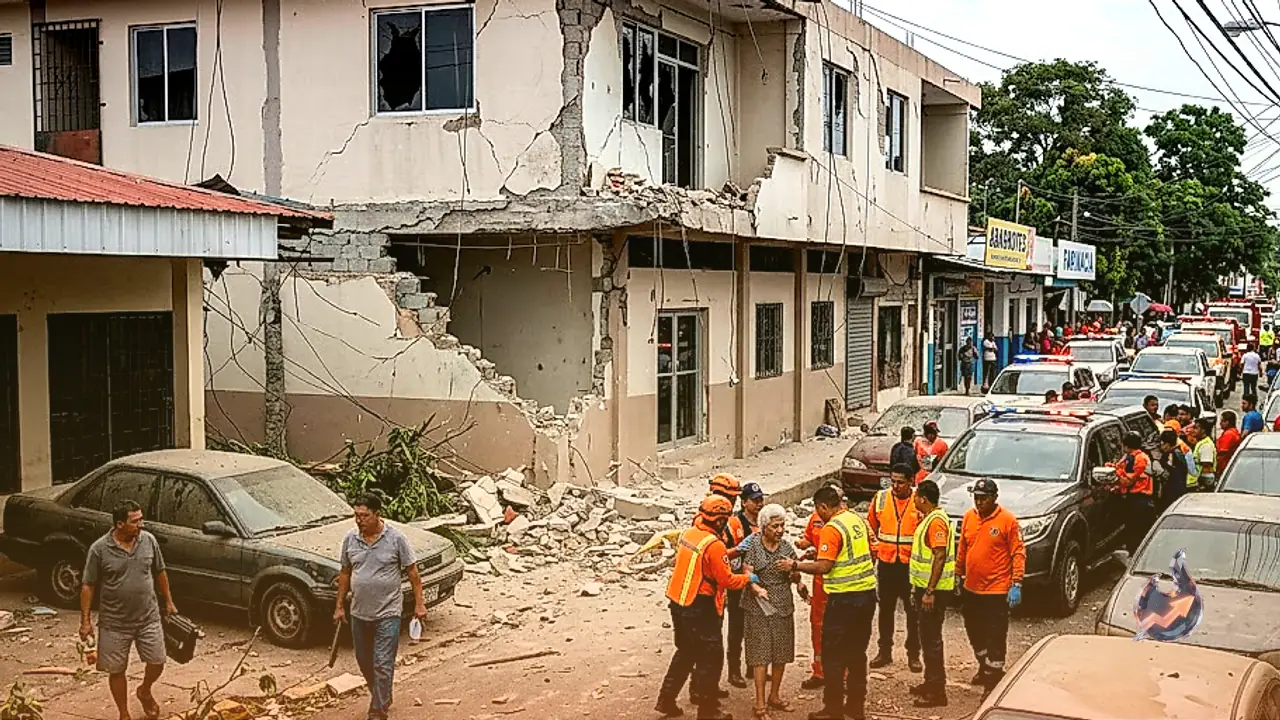
The sudden collapse of the previous regime triggered severe disruption across the police force and regional administrations. Widespread reports of looting, arson, retaliatory violence against former officials, and attacks targeting religious minorities quickly surfaced. These security lapses, rather than abating, continued to pose systemic challenges over the ensuing months.
Human Rights Watch pointed out an increase in mob violence connected to political factions and non-state entities. The vulnerability of minorities, particularly the Hindu population, generated persistent diplomatic friction and mutual recriminations between Bangladesh and India. Despite clear state obligations to conduct impartial inquiries and safeguard vulnerable groups, visible enforcement often fell short.
The administration did attempt institutional restructuring, appointing multiple commissions to draft revisions for the constitution, judiciary, electoral machinery, and police force. A notable milestone was the unveiling of the July Charter in October 2025, intended to forge consensus around governance checks and balances. Nevertheless, lacking broad political buy-in and genuine consensus among disparate political forces, these blueprints remained largely unfulfilled on the ground.