





















A critical communication setback has hit Ukrainian defensive positions along the frontline after Elon Musk's company SpaceX implemented sudden speed limits on its Starlink satellite network. The technical threshold has severely disrupted active military tasks, creating immediate operational hazards for units that rely on fast-moving assets and automated interception. The friction emerges during an intense phase of the conflict, with infrastructure under relentless bombardment and complex diplomatic maneuvering taking place around military operations.
The 100mph Cap and Its Immediate Tactical Fallout
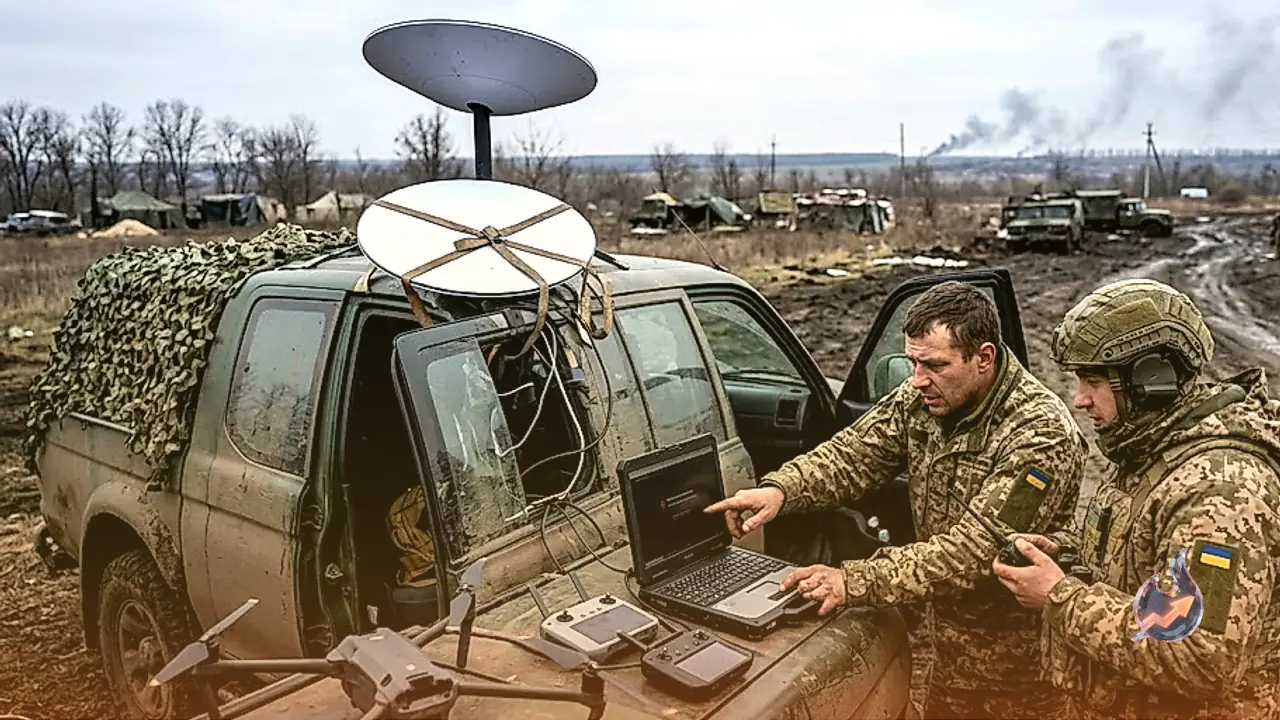
Serhiy Beskrestnov, an adviser to Ukrainian President Volodymyr Zelensky, disclosed in a Wednesday Telegram post that SpaceX had established an overnight speed limit of 100mph (160km/h) across Starlink terminals. Frontline Ukrainian troops received no advance briefing regarding the restriction. The change directly impedes operational tempo, causing hardware units to lose data links whenever they cross the defined speed mark.
Defence ministry sources corroborated the situation, confirming that connection anomalies were detected as soon as terminal movement surpassed 160km/h. A formal inquiry into the root cause of the limitation is currently underway. Technical evaluators in the defence establishment explained that once a mobile platform or asset breaches the 160km/h ceiling, the terminal instantly disconnects. This mechanical disruption has weakened capabilities across frontline logistics, tactical reconnaissance missions, and signal relay chains. SpaceX has offered no public commentary on the measure.
Air Defence and Drone Interception Under Pressure
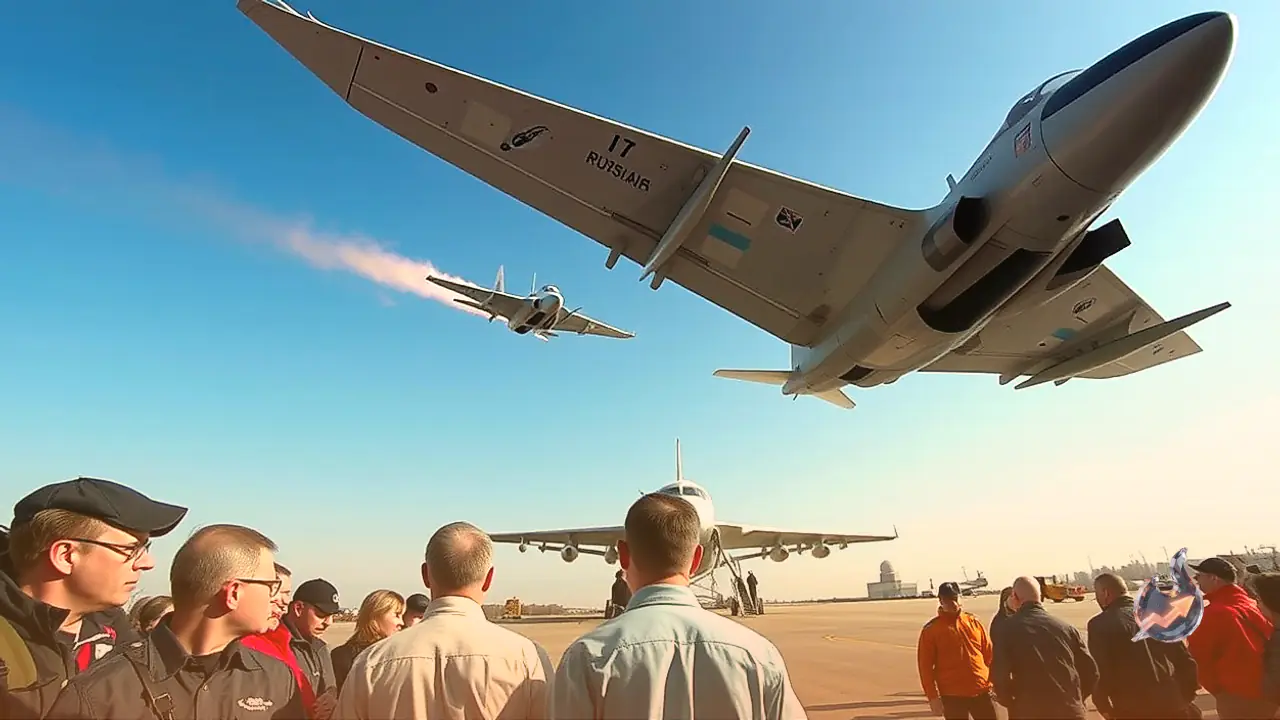
The Starlink satellite setup has served as a cornerstone of Ukrainian combat infrastructure, functioning as the primary pipeline for transmitting real-time coordinates to drones engaging Russian targets and shielding domestic airspace. Serhiy Beskrestnov noted in a follow-up statement that Starlink represents the single most capable system for directing interceptors to neutralize Russia's newly deployed jet-propelled strike drones.
With connection cuts occurring at higher velocities, specialized aerial responses have suffered notable degradation. Defence ministry officials stated that the cap has made executing precision operations much harder, specifically hindering fast interceptors and middle-strike drones. The adviser argued that such a technological restriction could not be viewed as a mere coincidence, suggesting it was closely aligned with prevailing political dynamics surrounding the war effort.
Missile Barrages Knock Out Power for Hundreds of Thousands
Parallel to the network complications, Ukraine weathered devastating overnight missile and drone assaults that crippled civilian systems. President Volodymyr Zelensky announced that at least 600,000 citizens across the country were left without electricity following the bombardment. Destructive strikes landed on critical energy facilities located in Kyiv, across the wider capital province, and inside the northeastern hub of Kharkiv.
Municipal authorities confirmed three fatalities within Kyiv. In its own statement, the Russian government described the actions as massive strikes aimed at communication nodes and power infrastructure that support Ukrainian armed forces operations. The sustained confrontation continues from the full-scale invasion launched by Russian President Vladimir Putin in 2022, with Moscow presently occupying approximately 20% of Ukrainian territory.
Air Defences Strained Without Sirens
According to assessment figures published by the Ukrainian air force, the overnight attack involved 39 ballistic and cruise missiles alongside 128 drones. Defensive batteries managed to intercept 4 of the incoming missiles and brought down 115 drones. Alarmingly, over two consecutive nights, ballistic missiles hit strategic locations inside Kyiv before air raid alarms could be sounded for residents.
Ukrainian defensive teams depend heavily on United States satellite networks to track outbound Russian launch trajectories, broadcast civil alerts, and position interceptors. The absence of preliminary sirens coincided with wider tensions regarding intelligence coordination. Simultaneously, the Russian defence ministry reported that its air defence forces brought down 902 Ukrainian drones overnight across several domestic territories, including the capital city of Moscow and Crimea, the southern peninsula of Ukraine annexed by Russia in 2014.
Diplomatic Discord Over the Energy Ceasefire
The operational disruptions have occurred against a backdrop of conflicting statements regarding a halt to infrastructure strikes. On Sunday, US President Donald Trump wrote on social media: "Effective immediately, there is an ENERGY CEASEFIRE in the War between Russia and Ukraine. Both parties have agreed. Do not break it!"
Volodymyr Zelensky subsequently confirmed that Ukraine stands prepared to suspend strikes targeting Russian oil refineries and energy infrastructure, provided Moscow honors an identical commitment. However, Zelensky asserted that the United States had previously threatened to scale back intelligence sharing if Kyiv refused to endorse Trump's proposed energy ceasefire. Trump addressed the issue on Tuesday, denying that Washington was withholding any intelligence feeds. Meanwhile, Russian Foreign Minister Sergey Lavrov dismissed any pause, arguing that Ukraine did not deserve the respite of a ceasefire and warning that a truce would merely allow Europe to supply Ukraine with additional weapons to sustain the fighting.