




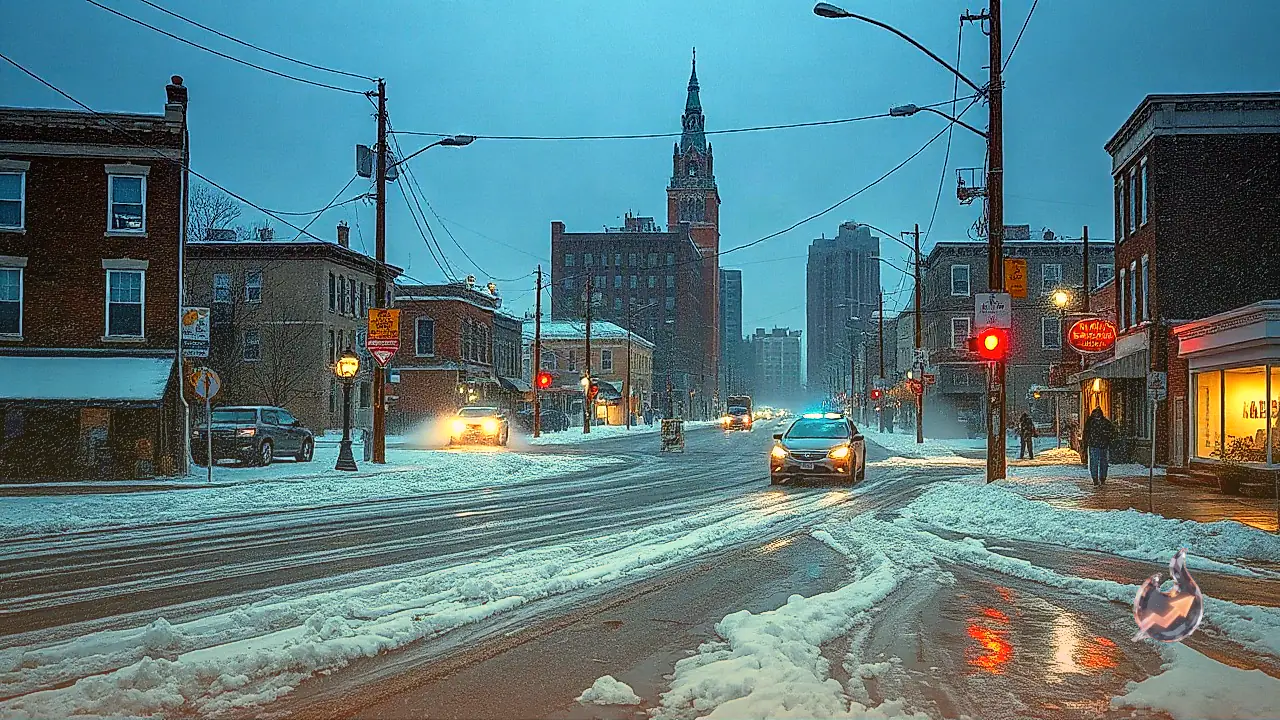

















Nature continues to display its ferocious side across the globe, bringing devastation to Japan and China, floods and avalanches to Nepal, and now severe upheaval in the United States. A powerful Nor'easter storm has unleashed its full fury on the northeastern region of the US, plunging local residents into a massive crisis marked by relentless gales, torrential downpours, towering ocean swells, and severe coastal flooding stretching all the way from New Jersey to New England. While forecasters had issued preliminary warnings about an approaching weather system, the sheer destructive strength of the storm caught many by surprise, surpassing initial expectations and wreaking havoc across multiple states.
Severe Disruption to Power Grids and Air Travel
The ferocious weather event has crippled local power infrastructures and severely disrupted commercial aviation networks. Several vulnerable coastal communities are grappling with recurring tidal inundation, facing rising waters for the second or third consecutive time. The most severe impacts were concentrated along the coastline of New Jersey, where surging tides during peak high-water periods pushed seawater directly over seawalls and into residential neighborhoods and local roadways. Portions of the state recorded in excess of four inches of rainfall over a three-day span, dramatically elevating local flood risks. In coastal municipalities like Sea Bright, residents and business owners found themselves locked in a constant battle against encroaching waters, while local officials warned that the sluggish forward movement of the storm system could trigger renewed flooding during upcoming high tides.
Infrastructure Damage Across New York and Surrounding Areas
Neighboring New York also absorbed heavy blows from gale-force winds that battered public infrastructure and private properties alike. Across Long Island, strong wind gusts toppled numerous mature trees and power utility poles, snapping electrical lines and causing widespread blackouts. In New York City, several inches of standing water accumulated across multiple streets within the Howard Beach neighborhood, rendering roadways impassable. Across the broader Northeast and Mid-Atlantic regions, more than 100,000 utility customers experienced prolonged power outages at various points as falling timber and fierce winds wreaked havoc on distribution transformers and lines.
Hundreds of Flights Grounded Amid Comparisons to Past Storms
The tempest severely crippled transportation networks, forcing the grounding of hundreds of scheduled flights. At Boston Logan International Airport, more than 250 flights had been cancelled by Sunday morning, with broader industry reports estimating that approximately 400 total flight operations were halted due to hazardous conditions. Wind speeds at the airfield reached up to 40 miles per hour during the peak of the disruption. Meteorological forecasters indicate that the storm system is gradually beginning to lose strength, though coastal flood threats remain active as subsequent high tides threaten to push water back over shores in parts of New Jersey and New York. The unfolding crisis inevitably evoked memories of the historic Superstorm Sandy from 2012, though experts noted that the current Nor'easter lacks the sheer geographical scale and catastrophic devastation of Sandy. In the wake of Sandy, local authorities mandated elevated coastal home construction and deployed protective measures such as sandbag barriers, which successfully mitigated potential structural damage in numerous areas during the latest event. Weather analysts suggest this severe weather system could be the first of several major autumn storms to target the American eastern seaboard, noting that active El Nino weather patterns are also playing a contributing role in shaping these unusual atmospheric developments.