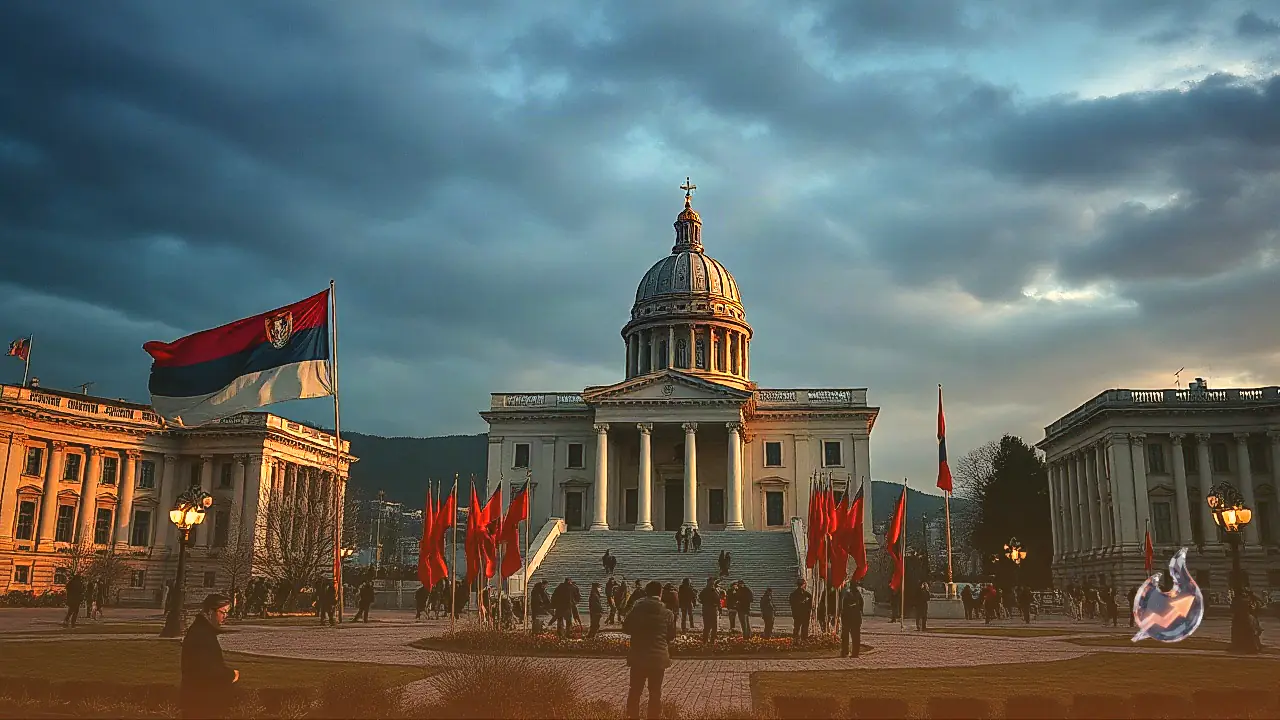



















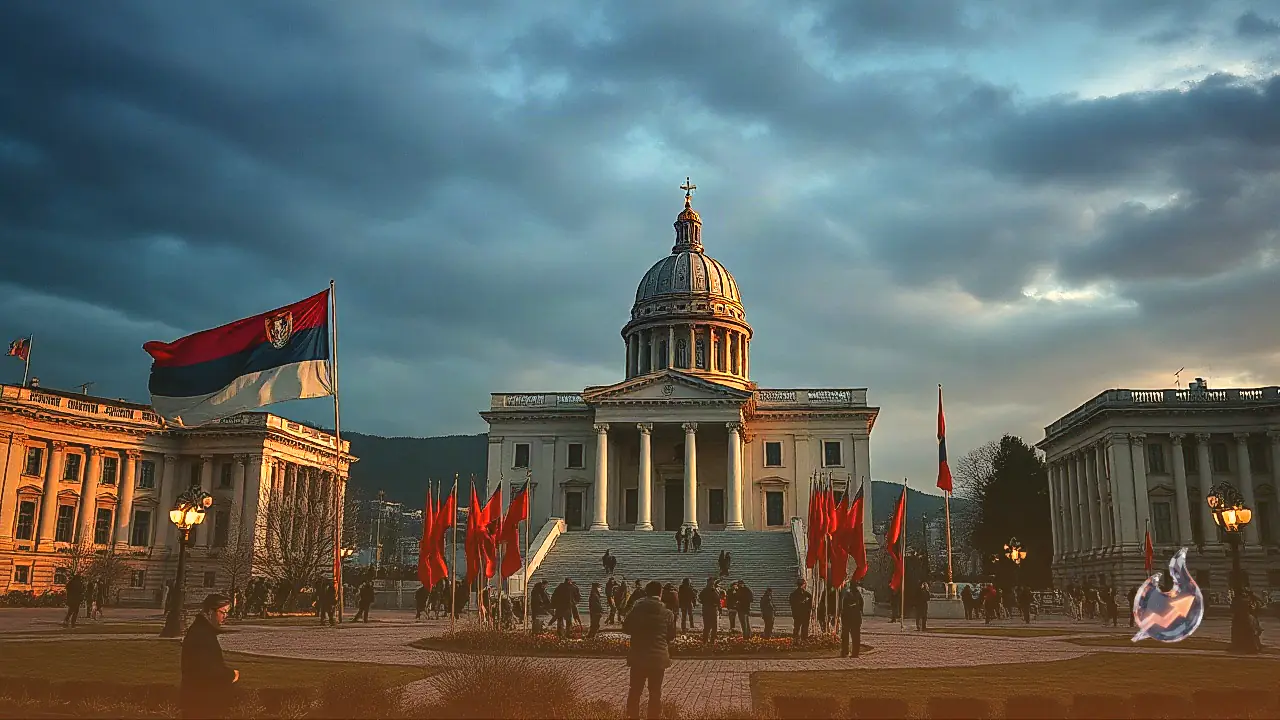

Aleksandar Vučić has resigned from his position as the president of Serbia following more than a year of sustained student-led protests and mounting public anger over allegations of government corruption. Addressing supporters outside the presidential building in the capital city of Belgrade, Aleksandar Vučić stated that his administration successfully preserved peace and stability throughout his nine-year tenure in office.
Early Resignation and Political Ambitions
The leader had previously signaled his intention to step down back in June and is currently running as his party candidate for the office of prime minister in the upcoming parliamentary elections. Under the constitutional framework of Serbia, Aleksandar Vučić is legally barred from seeking a third consecutive presidential term. The pro-Russian populist administration has faced intense backlash over accusations of institutional corner-cutting and administrative negligence.
Protests and Public Discontent
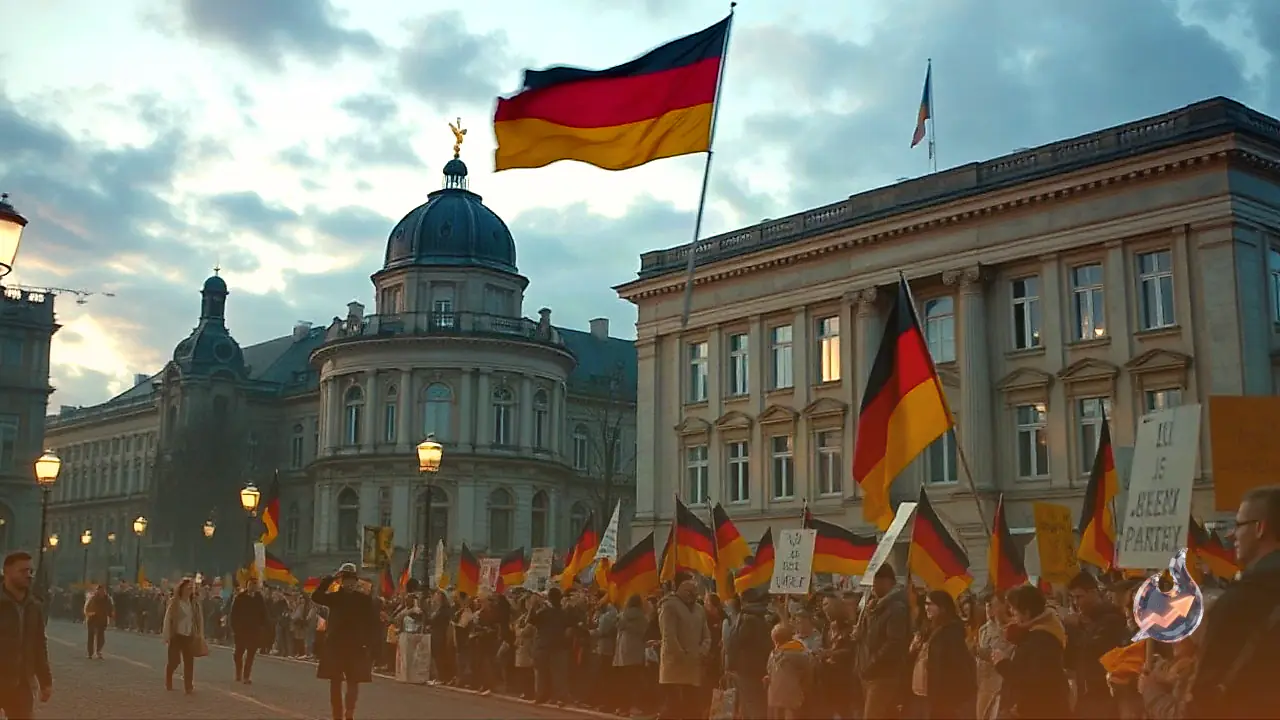
These developments triggered widespread demonstrations involving a diverse cross-section of citizens, ranging from university students and teachers to industrial workers and farmers. Demonstrators argued that recent disasters reflected more than ten years of governance under the Progressive Party led by Aleksandar Vučić, who had personally associated himself with station renovation projects meant to symbolize national progress.
Upcoming Electoral Timeline
The presidential term of Aleksandar Vučić was originally scheduled to expire next year. According to the Serbian constitution, fresh presidential elections must be conducted no later than three months after a presidential resignation takes effect. Consequently, Serbian citizens will head to the voting booths twice before the conclusion of the year. Aleksandar Vučić announced that the presidential election will take place more than a month after the snap parliamentary elections slated for late October.
Interim Leadership and Pardons
Parliamentary speaker Ana Brnabić, who is also a member of the Progressive Party, will take over as the interim president until a successor is officially chosen. Utilizing his executive constitutional powers, Aleksandar Vučić issued pardons for 49 individuals, which includes 23 students and party loyalists suspected of offenses linked to what he described as the terrible events experienced over the past year and a half, according to the Serbian public broadcaster RTS.
Political Opposition and Foreign Policy
The upcoming parliamentary elections will feature a direct contest between the Progressive Party and a student-driven anti-corruption movement named Students Win, alongside a coalition of pro-Western opposition parties known as European Serbia. While Aleksandar Vučić has publicly expressed a desire for Serbia to join the European Union, his administration has simultaneously courted close diplomatic ties with Russia and welcomed significant Chinese investment into the country.