





















Pakistani travelers faced unprecedented administrative discrimination in the United Arab Emirates following an unexpected flight cancellation. Public announcements made at the airport and surrounding accommodation centers explicitly reserved available rooms for Indian and American passport holders. This restrictive policy left numerous passengers struggling to secure safe lodging for the night. The incident gained widespread attention after it emerged that among the affected passengers was Asad Qaiser, a senior Member of Parliament and former Speaker of Pakistan's National Assembly. This developments has reignited a broader global debate regarding passport credibility, administrative trust, and international diplomatic standing.
Former Speaker Asad Qaiser Expresses Outrage in Pakistani Parliament
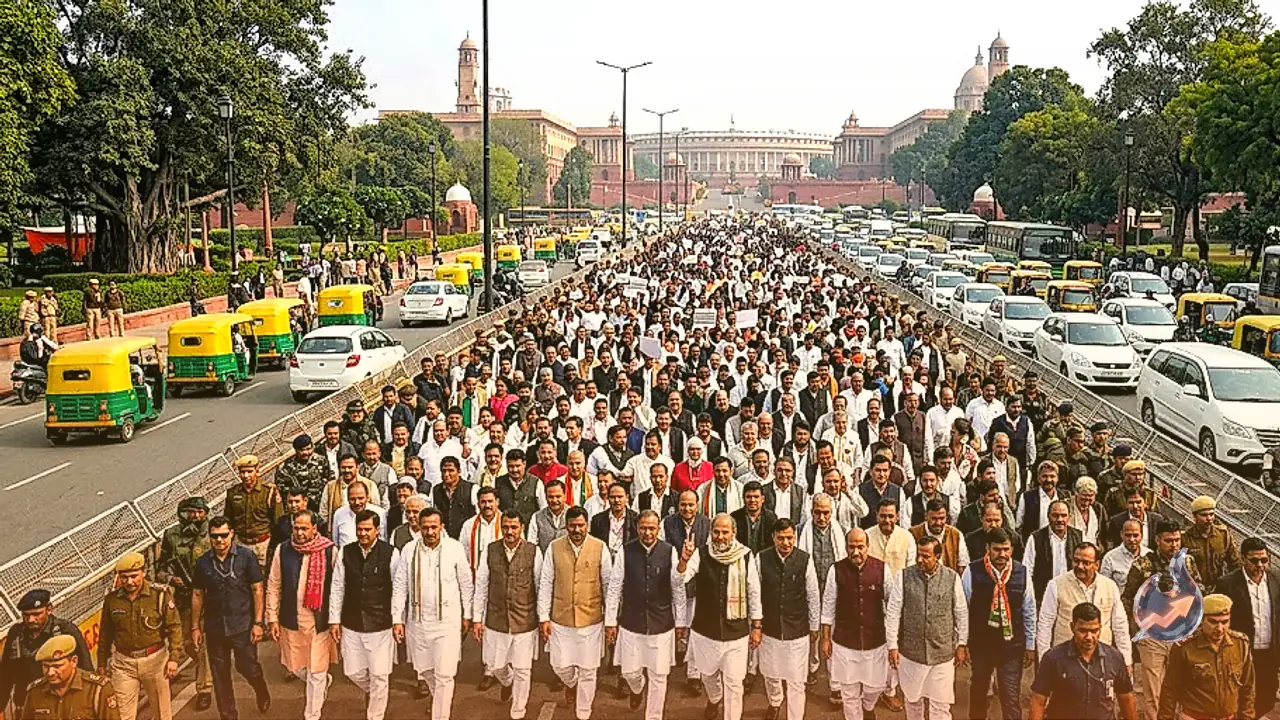
Addressing a legislative session in Pakistan's Parliament, senior lawmaker Asad Qaiser shared his personal ordeal. He informed the house that during his recent transit through the United Arab Emirates, his scheduled flight was suddenly canceled. When he and several fellow Pakistani nationals sought temporary lodging at nearby hotels, they encountered a deeply discouraging response from local hospitality staff. Broadcasts across the airport terminal and hotel venues clearly stated that accommodation was strictly restricted to holders of Indian and US passports. Describing the encounter, Asad Qaiser stated, “Our flight was canceled and we wanted to stay at a hotel, but their attitude towards Pakistanis was not good at all.”
Referring to the United Arab Emirates as a friendly Islamic nation, the senior MP expressed deep dismay over the differential treatment. He called upon Pakistan's Foreign Ministry and the Foreign Minister to intervene immediately. Qaiser demanded that Islamabad's diplomatic channels be mobilized to lodge a formal protest with top UAE authorities, ensuring that Pakistani travelers are not subjected to similar humiliation during future travel disruptions.
Widening Prestige Gap Between Indian and Pakistani Passports in the Gulf
This event underscores the expanding disparity in global prestige between Indian and Pakistani travelers across the Gulf region. While Indian passengers were provided with priority hotel accommodation, meals, and administrative support during the flight delay, Pakistani citizens were left without alternative arrangements. International analysts attribute the high standing of the Indian passport in the Gulf and Western nations to India's robust foreign diplomacy, professional work ethic, and the law-abiding track record of its expatriate community.
Conversely, under the administration of Prime Minister Shehbaz Sharif and military chief Asim Munir, Pakistan has experienced severe economic fragility and governance challenges. Internal instability, rising crime, and economic distress have prompted foreign governments to re-evaluate their immigration and entry protocols for Pakistani nationals. Even traditional allies among Muslim-majority nations are increasingly implementing stringent measures to regulate incoming travel from Pakistan.
Mass Deportations and Beggary Crackdown in Saudi Arabia
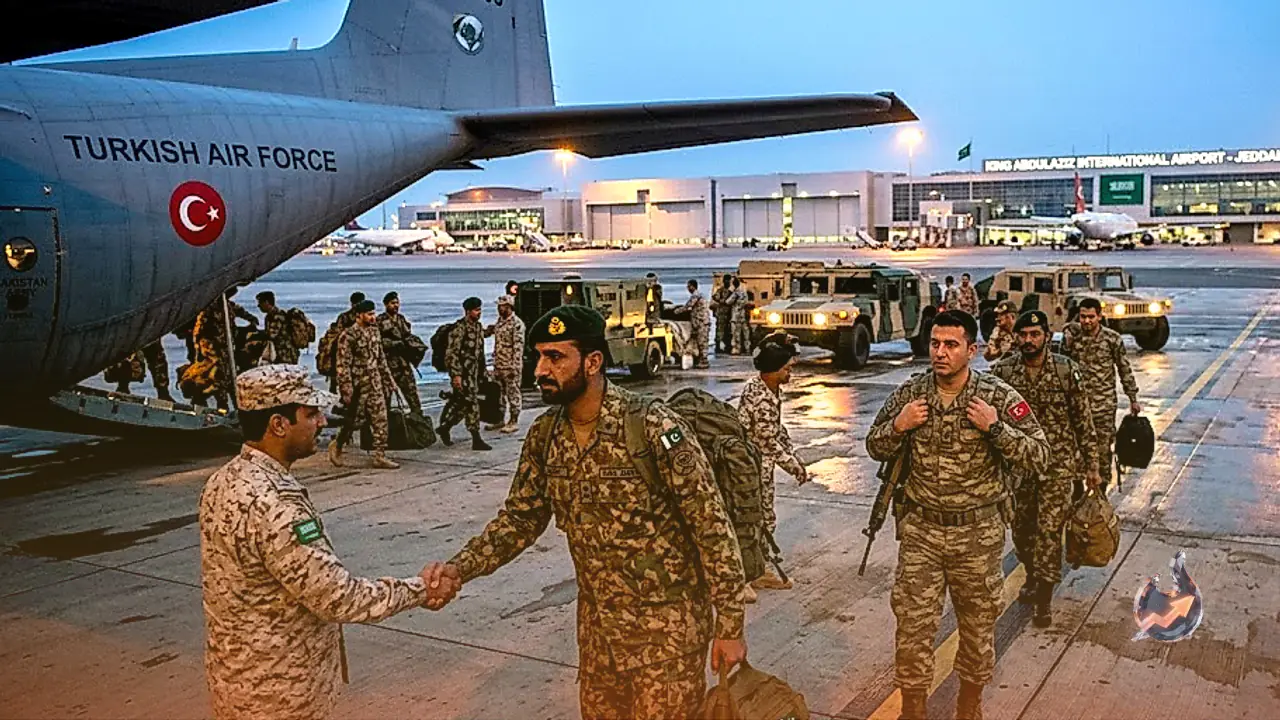
The incident in the United Arab Emirates follows a similar precedent set by Saudi Arabia, where strict measures were previously enforced against Pakistani nationals. Saudi law enforcement conducted extensive operations across major cities to curb organized begging and illegal activities. Investigations revealed that thousands of Pakistani citizens who entered Saudi Arabia on Umrah and religious pilgrimage visas were actively engaged in street begging across Riyadh and Jeddah. In response, Saudi authorities arrested thousands of individuals, sentenced them to detention, and subsequently deported them to Pakistan.
Following the crackdown, the Pakistani government and its embassy in Riyadh were forced to issue official advisories to their citizens. Pakistani officials publicly appealed to travelers not to misuse religious visas for begging, warning that such practices severely damage the nation's international reputation. Consequently, Saudi Arabia and other Gulf states have significantly tightened eligibility criteria and verification processes for issuing work and tourist visas to Pakistani applicants.
Over 2 Million Pakistani Expats in UAE Unable to Prevent Diplomatic Slump
Official demographic figures indicate that over 2 million Pakistani nationals currently reside and work in the United Arab Emirates. These expatriates send billions of dollars in remittances back home annually, serving as a vital financial lifeline for Pakistan's struggling economy. Furthermore, the United Arab Emirates remains Pakistan's largest trading and investment partner in the region.
Despite these extensive economic ties and long-standing bilateral relations, private establishments and local administrators in the UAE prioritized documentation from India and the United States over Pakistani passports during an emergency crisis. This outcome highlights that large expatriate populations alone cannot substitute for solid institutional trust and international diplomatic credibility.
Pakistan's Foreign Ministry Struggles Amid Growing Global Isolation
Following Asad Qaiser's statements in Parliament, pressure has mounted on Pakistan's Foreign Ministry to address the matter directly with Abu Dhabi. However, diplomatic observers note that Pakistan's fiscal reliance on foreign loans and weakened geopolitical leverage limit its ability to press for policy adjustments. Coming shortly after the restrictive measures in Saudi Arabia, the response from UAE authorities highlights the growing challenges faced by Pakistani travelers on the international stage.