























Amid rising tensions across the world's busiest maritime trade lanes, a major strategic architecture has taken shape in the Indo-Pacific region. Drawing lessons from recent chokepoint crises in West Asia, such as the Strait of Hormuz, India, the United States, Japan, and Australia have forged an unprecedented emergency logistics grid. Concluded after a two-day tabletop exercise hosted in Tokyo, this shared strategy makes it clear that the Quad is evolving from a diplomatic forum into an operational security architecture on land and at sea. In Beijing, the move is being viewed as the emergence of an Asian NATO.
Disaster Relief Masking Military Readiness
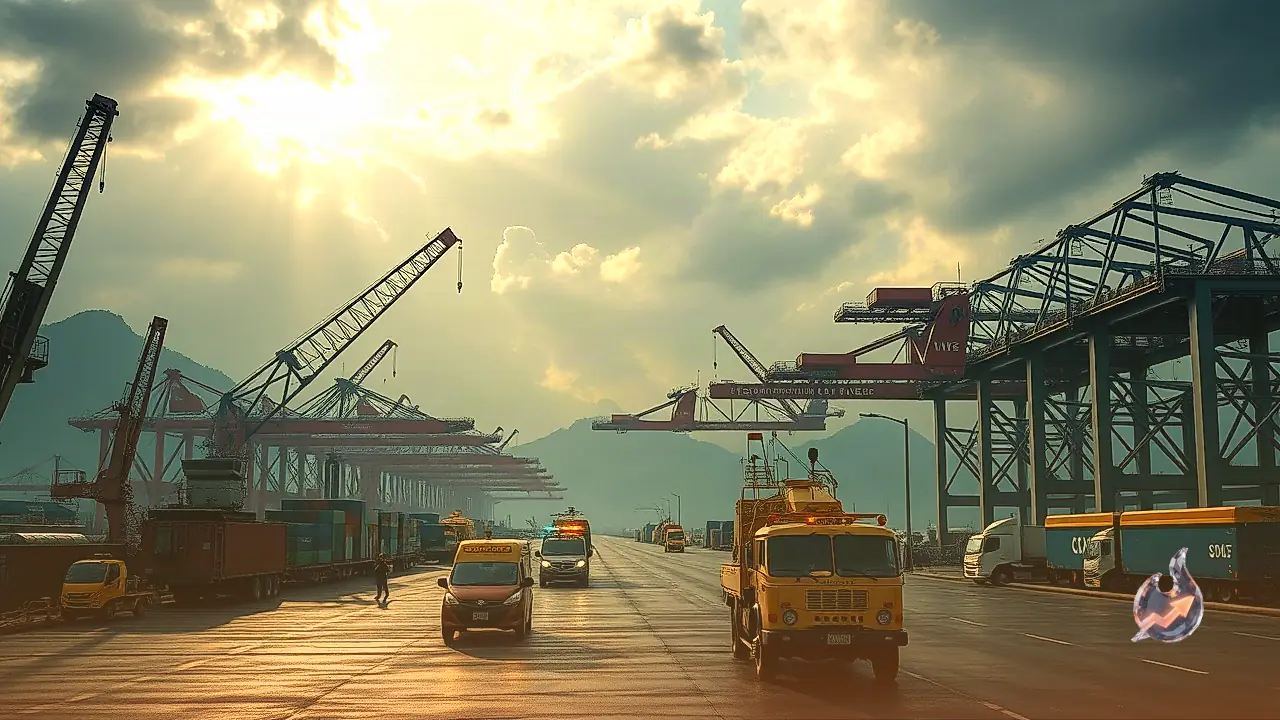
On paper, the initiative has been introduced under the banner of the Indo-Pacific Logistics Network, designated for civilian disaster relief and humanitarian assistance. However, international security experts view it as a distinctly dual-use military strategy. Through a shared standard operating procedure, the four nations will now be able to directly utilize each other's ports, airstrips, fuel depots, and supply chains. This means that in the event of any conflict in the Indo-Pacific, the navies of all four countries could coordinate operations and rely on shared resources within hours.
Challenging Beijing from Malacca to the Pacific
This coalition serves as a direct counter to China's efforts to dominate maritime trade through the construction of artificial islands in the South China Sea and expanding its footprint across Pacific island nations. India's strategic command in the Andaman and Nicobar Islands and its firm control over the Malacca Strait represent major vulnerabilities for Beijing. With American bases in Guam and Hawaii now linked alongside naval outposts in Japan and Australia through a single logistical thread, unimpeded maritime maneuvers by China will become nearly impossible. Vital lifelines for oil and commerce will remain fully secured during any crisis.
India's Balanced Yet Firm Diplomacy
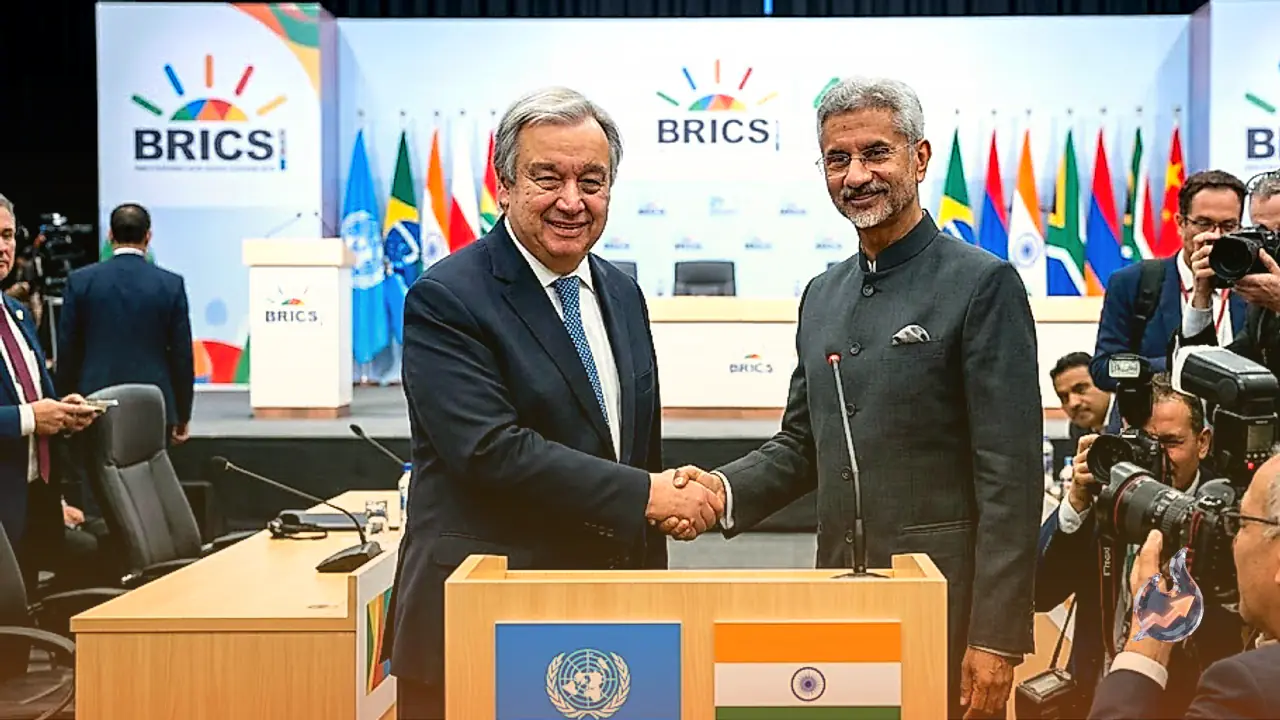
This strategic tightening emerges at a time when India continues to advocate for regional stability on platforms like BRICS while maintaining diplomatic dialogue along the Line of Actual Control. Nonetheless, India's assertive participation in Tokyo proves that New Delhi harbors no illusions about regional security. India remains fully capable of aligning with Western powers to protect its national interests without binding itself to a formal military pact. This move underscores the reality that peace in the Indo-Pacific relies strictly on a balance of power.
Institutionalizing Operational Synergy in Tokyo
Hosted by the Japanese Ministry of Defense on September 3 and 4, 2026, the tabletop exercise nominally focused on large-scale natural disasters and humanitarian assistance and disaster response operations. However, the underlying purpose of the drill was to establish a unified standard operating procedure under the Indo-Pacific Logistics Network, enabling the seamless utilization of military and civilian infrastructure during emergencies. This exercise builds directly upon operations conducted in Hawaii and Guam in 2025, formally institutionalizing operational synergy among the four member states for the first time.
Geopolitical Implications of Dual-Use Capabilities
While officially framed around humanitarian crises like cyclones, floods, or tsunamis, logistics remains the backbone of any modern military strategy or conflict. When four nations agree to standard procedures for sharing ports, airfields, fuel depots, and supply networks, those systems can readily be adapted for tactical or naval blockades. This integrated logistics network stretching from the Malacca Strait through the South China Sea and into the western Pacific establishes a secure backup, signaling to Beijing that the member states can rapidly deploy shared assets in an emergency.
Countering the Asian NATO Narrative
China has frequently dismissed the Quad as a divisive Asian NATO. By prioritizing civilian relief, humanitarian aid, and survival support, the Quad has executed a diplomatic maneuver to bolster its credibility among ASEAN and smaller island nations, blunting Beijing's aggressive rhetoric. At the same time, India's active participation in Tokyo while simultaneously championing regional stability at multilateral forums demonstrates that New Delhi is skillfully navigating its multi-aligned foreign policy without ceding ground on maritime security.