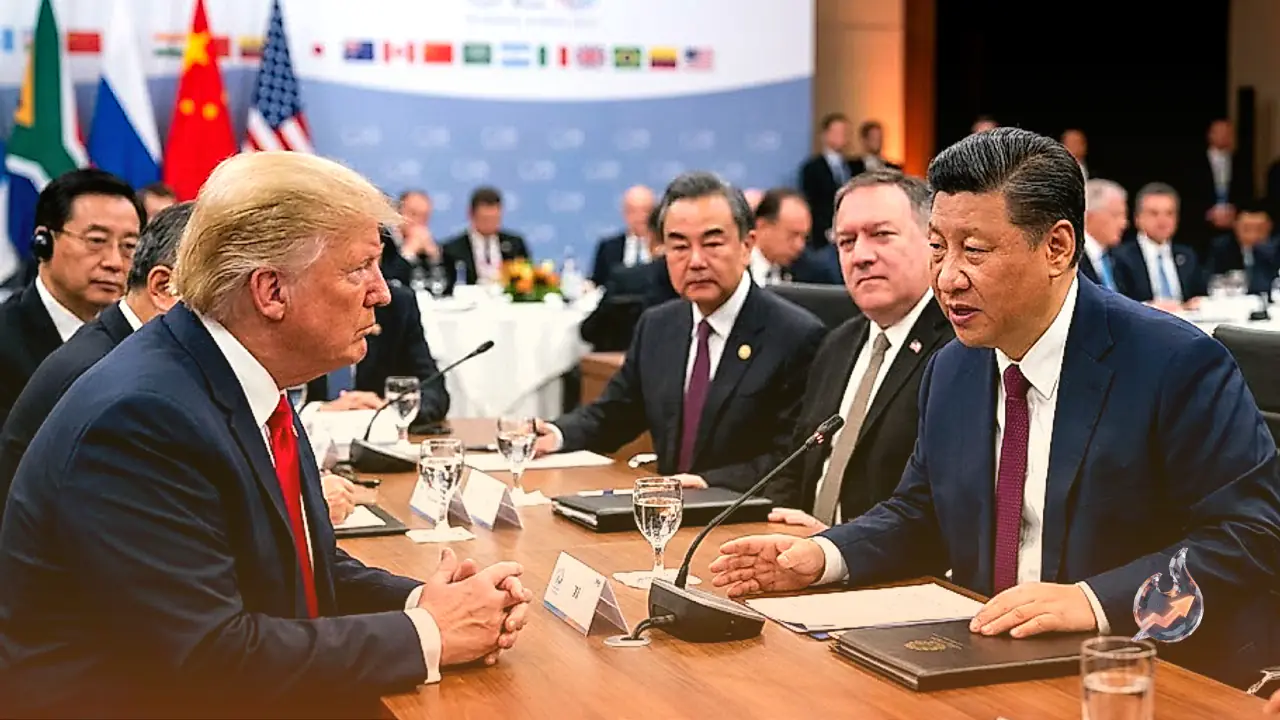
















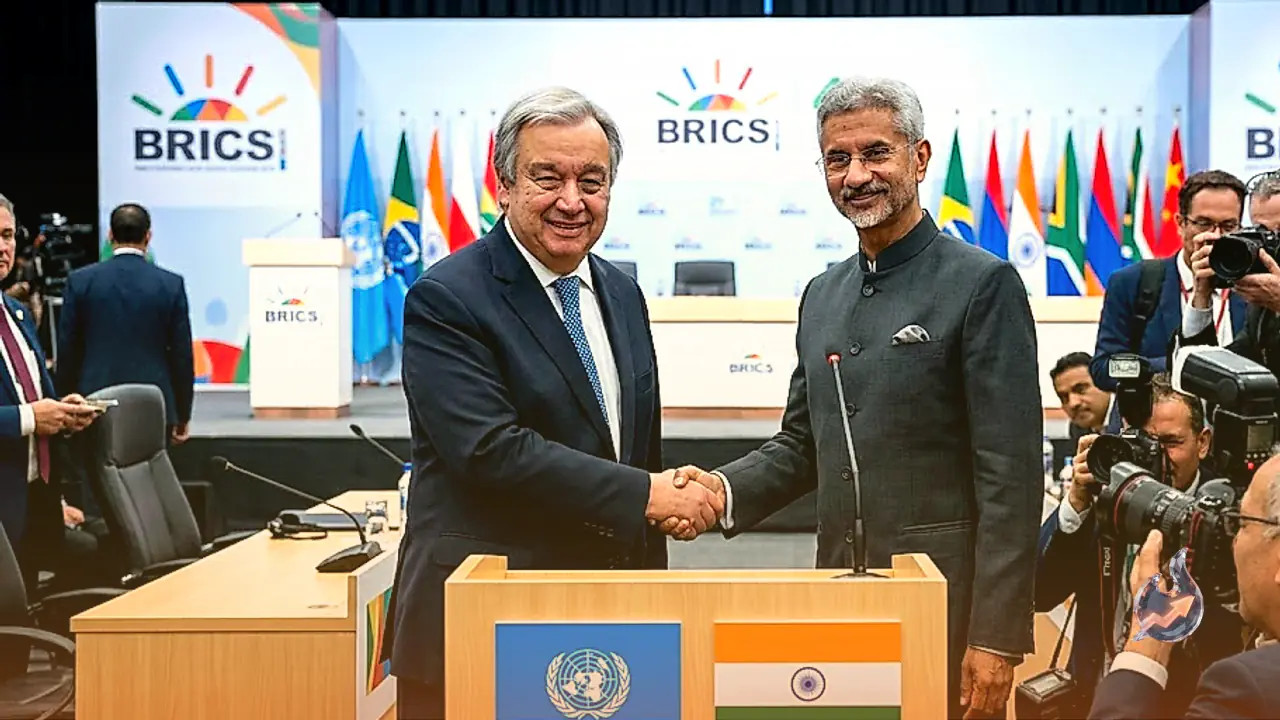

India's diplomatic weight continues to grow on the international stage, with its influence now resonating strongly within the highest corridors of the United Nations. During the BRICS summit 2026, United Nations Secretary-General António Guterres openly endorsed reforms and expansion within the Security Council. He pointedly stated that the contemporary world bears little resemblance to the geopolitical landscape of 1945. The economic, demographic, and political realities of that era have shifted fundamentally, necessitating a parallel evolution in global governance structures.
Guterres specifically highlighted India, noting that New Delhi stands at the forefront of nations demanding an expansion of the Security Council. India has long campaigned for a permanent seat and veto authority within the apex UN body, and this fresh endorsement marks another major international boost for the bid. The momentum does not stop there, as the New Delhi Declaration issued by BRICS also features renewed backing from Russia and China for elevated roles for both India and Brazil within the United Nations framework.
The backing carries substantial weight because Russia and China are both permanent members of the Security Council holding veto powers, making their alignment with India's aspirations critically important. Prime Minister Narendra Modi had earlier emphasized during the summit that the Global South must transition from merely following rules to shaping them. Echoing this sentiment, Guterres observed that the world is rapidly shifting toward a multipolar order. The core question before the international community is no longer whether India will secure greater prominence, but whether it will attain a permanent seat alongside veto privileges in the near future.