

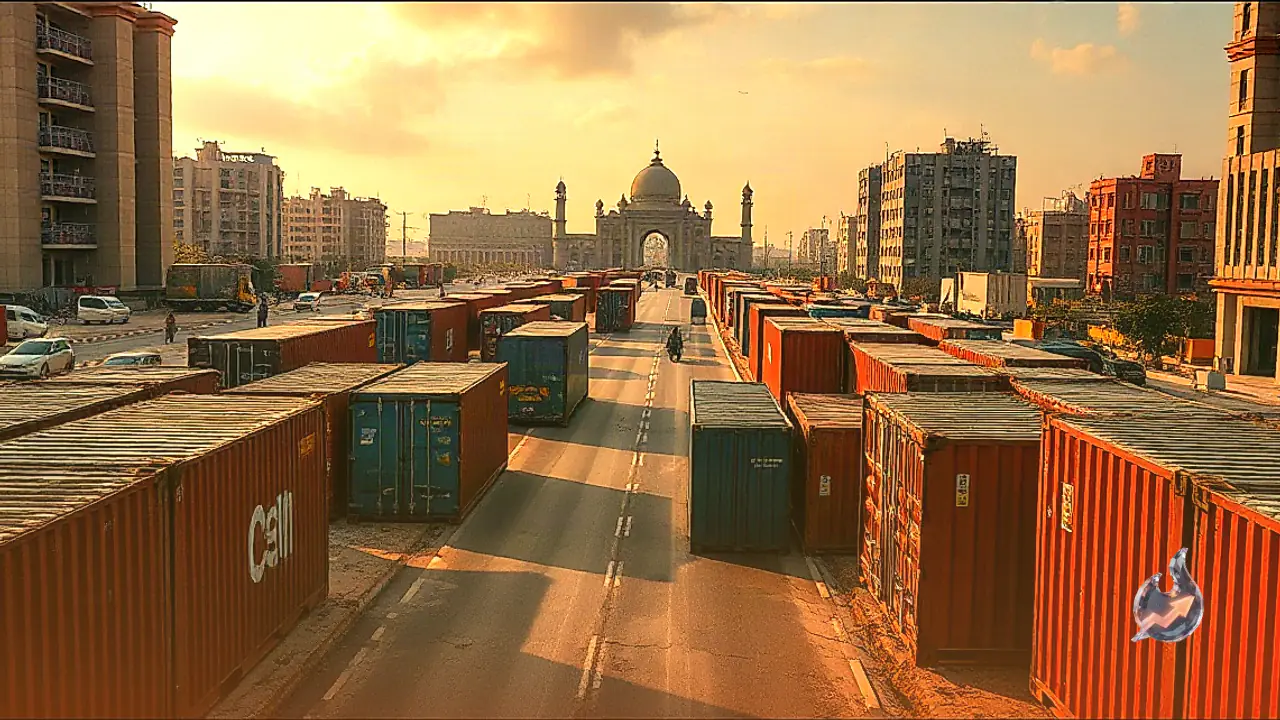
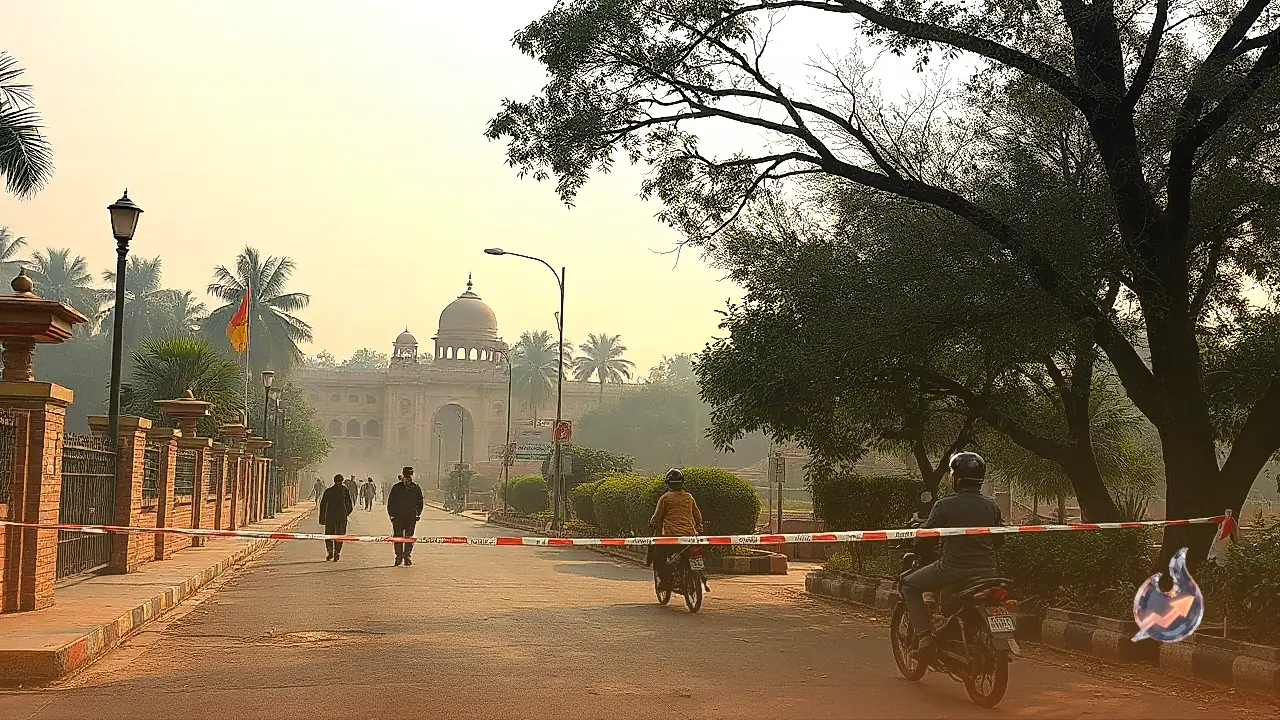
















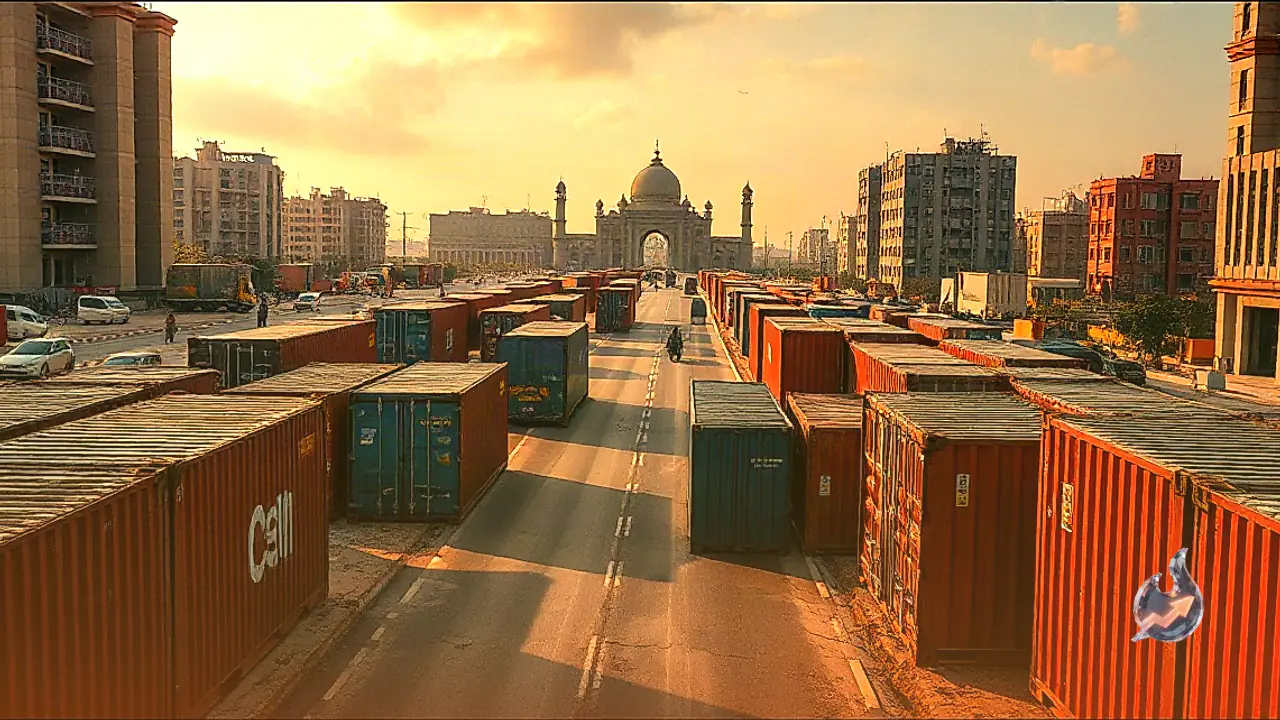

Security authorities in Pakistan have turned the capital city into a fortified zone ahead of a demonstration announced by Pakistan Tehreek-e-Insaf for September 27. Extensive barricades and shipping containers are being placed along entry corridors to stop protest convoys from reaching central government zones. Starting Wednesday night, critical transit routes linking Khyber Pakhtunkhwa with Islamabad have been closed until further notice, creating a heavily guarded perimeter around the capital.
Major Motorways Closed to Vehicular Movement
Travel routes into Islamabad have faced severe shutdowns under the administrative security blueprint. The M-1 Islamabad-Peshawar Motorway has been completely closed in both directions between the Islamabad toll plaza and Chhachh interchange. Similarly, traffic movement on the M-14 Motorway has been stopped between Hakla and Kundal. Vehicles moving along the historic GT Road are also barred from crossing near Attock Khurd in either direction. These measures are expected to disrupt civilian transit significantly across Khyber Pakhtunkhwa, northern Punjab, Rawalpindi, and Islamabad. However, authorities expect the M-2 Motorway connecting Lahore and Islamabad to remain functional.
Deployment of 2,000 Containers Across Key Roadways
The capital's entry points are undergoing a systematic sealing process. Roughly 2,000 freight containers are being positioned across strategically important junctions in Islamabad and Attock. Checkpoints are concentrating heavily on paths likely to be taken by incoming marchers. Vital urban thoroughfares inside the city, including the expressway, Srinagar Highway, Margalla Road, and Faisal Avenue, have been placed under tight surveillance alongside the high-security Red Zone.
Attock Designated Central Checkpoint With 30,000 Troops
Attock district serves as the main geographic bridge connecting Khyber Pakhtunkhwa with Punjab and the twin cities of Islamabad and Rawalpindi, making it the linchpin of the government defense plan. Roughly 30,000 security personnel are being stationed in Attock alone to maintain a firm buffer. River crossing points, including the Attock Bridge and Haroon Bridge, are blocked by large containers and heavy barricades. The capital itself is receiving reinforcement forces from neighboring provinces, with arrangements made for approximately 19,000 police officers from Punjab and around 1,950 personnel from Sindh.
Red Zone Sealed as Academic Institutions Adjust Schedules
The administrative heart of Islamabad is witnessing some of the most visible security measures. Crucial access intersections to the Red Zone, such as D-Chowk and NADRA Chowk, have been cordoned off with multi-layered container walls and roadblocks. In response to potential gridlock, traffic officials have urged residents to avoid non-essential commuting and adhere strictly to route advisories. The security restrictions have also disrupted local schooling, prompting certain educational institutions in Islamabad to shut down physical campuses or switch to remote classes, even as Rawalpindi administrators announced that schools in their jurisdiction would continue normal operations.
Political Standoff Over Imran Khan Detention
Pakistan Tehreek-e-Insaf has maintained that the demonstration scheduled for September 27 is aimed at securing the release of its founder and former prime minister Imran Khan, who remains behind bars. The party has reiterated its intention to proceed with the march as planned. In response, government officials have declared that demonstrators will not be allowed to enter Islamabad or stage prolonged sit-ins that paralyze urban operations. As September 27 draws closer, the extensive physical blockades and large security contingents set up along the highways stand ready to determine whether the opposition convoy reaches the capital.