




















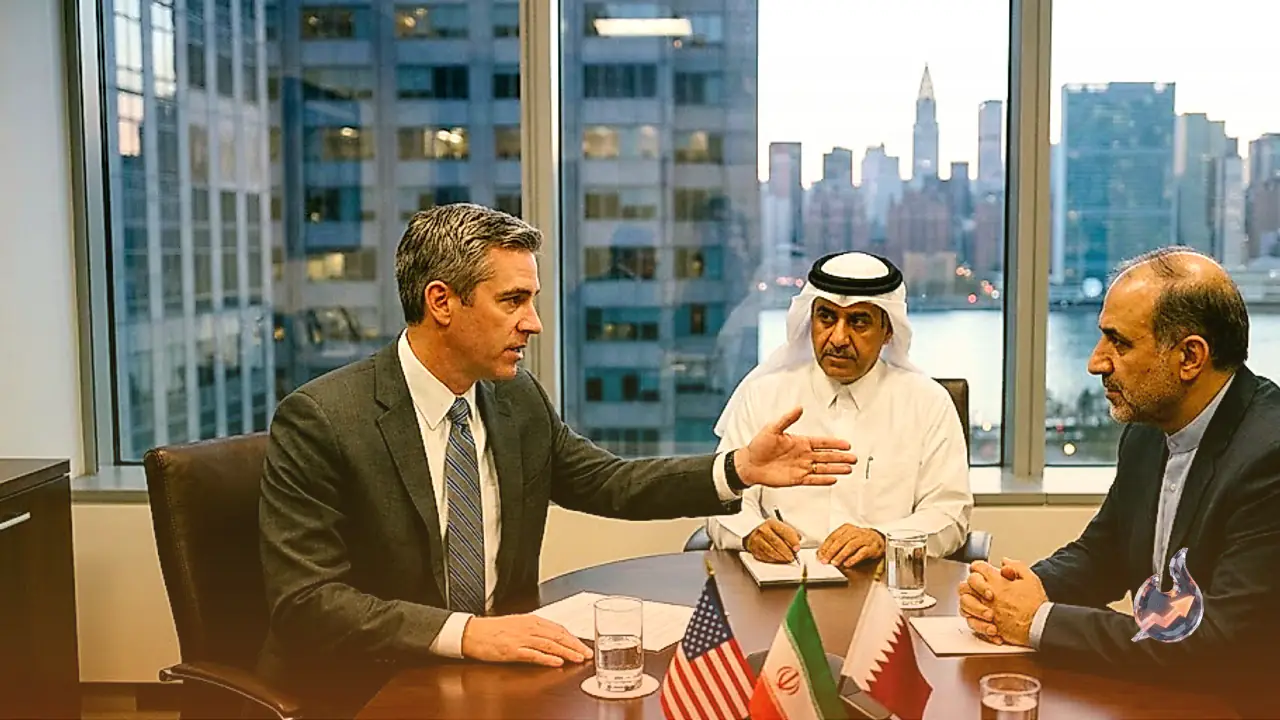

Diplomats representing the United States and Iran have resumed diplomatic contact at the United Nations headquarters in New York, conducting indirect discussions facilitated by Qatari officials. The encounter marks the first formal dialogue between the two adversarial nations since their bilateral ceasefire disintegrated in June. Despite the resumption of communications, representatives confirmed that no immediate breakthrough or resolution has been reached.
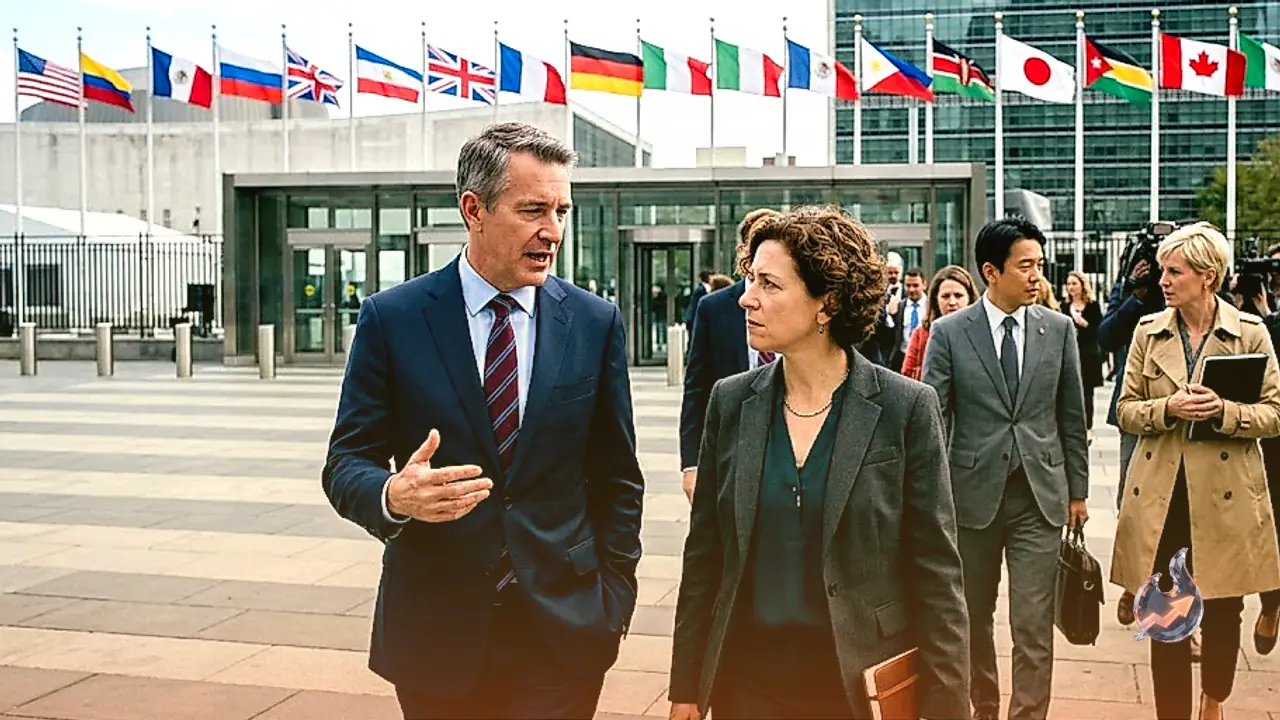
The diplomatic engagement brought together Steve Witkoff, representing US President Donald Trump, and Iranian Foreign Minister Abbas Araghchi through a shuttle diplomacy framework. Qatari intermediaries spent the day conveying positions between separate rooms, reflecting both the urgency of the moment and the intense hostility dividing both governments.
Donald Trump Addresses the UN General Assembly
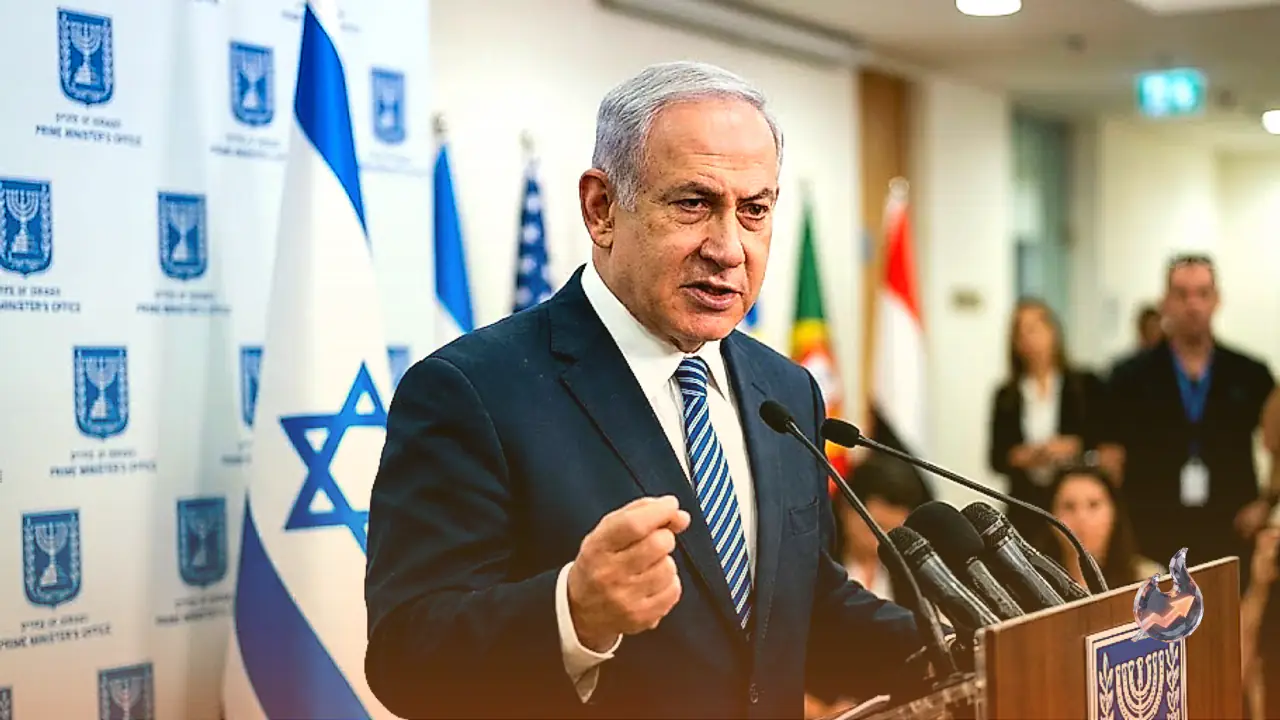
While negotiations were taking place behind closed doors, President Donald Trump delivered an extensive speech before world leaders at the annual UN General Assembly meeting. His address opened with an accounting of domestic milestones, emphasizing achievements in economic expansion, border security, immigration management, and the reduction of violent crime. Analysts observed that the opening remarks seemed directed as much at domestic voters ahead of the upcoming midterm Congressional elections in November as to the assembly of international diplomats.
Turning to foreign policy, Trump dedicated substantial time to outlining the rationale behind military operations against Iran. He argued that resolute military action had successfully blocked Tehran from acquiring nuclear capabilities, presenting the strategy as an embodiment of peace through strength. Challenging Tehran directly, Trump questioned whether a deal would emerge allowing Iran to rebuild into a prosperous nation, or whether the alternative would be rapid and total destruction of the Islamic Republic to permanently neutralize regional threats.
Three-Hour Side Talks Facilitated by Qatar
Speaking to journalists following the events at the UN, Trump described the sideline discussions involving American officials and the Iranian delegation as a very productive three-hour session. He expressed confidence that a comprehensive agreement with Iran, which has remained out of reach throughout the conflict, could materialize shortly after the November elections concluded.
Iranian state television verified that Foreign Minister Abbas Araghchi had engaged in the diplomatic initiative with Witkoff. Esmail Baghaei, spokesperson for the Iranian Foreign Ministry, stated via official state media that the exchange occurred entirely through Qatari mediation. Baghaei reiterated Tehran's core preconditions for any settlement, demanding a comprehensive halt to armed conflict across all operational fronts and an immediate cessation of American military aggression.
Steve Witkoff Confirms Diplomatic Channels Remain Open
Upon departing the UN building, envoy Steve Witkoff offered a brief thumbs-up gesture when questioned by reporters regarding the progress of the session. He subsequently took to social media to elaborate on the nature of the diplomatic outreach, verifying that mediators spent the entire day shuttling back and forth between both delegations.
Witkoff noted that the delegations had concluded an initial round of conversations which officials hope will prove productive and constructive going forward. He confirmed that third-party mediators intend to persist with their diplomatic mission in the coming days, keeping lines of communication functional despite the acute risk of escalation.
Origins of the Military Conflict and Strategic Blockades
The current confrontation traces back to 28 February, when US and Israeli forces unleashed extensive air strikes targeting positions across Iran. In immediate retaliation, Iranian armed forces launched strikes aimed at targets inside Israel, alongside US military installations throughout the Persian Gulf and facilities belonging to Arab Gulf allies of Washington.
A critical turning point occurred when Iranian forces imposed a closure on the Strait of Hormuz. Prior to the outbreak of warfare, approximately 20% of global petroleum consumption and liquefied natural gas supplies navigated this narrow maritime corridor. The sudden maritime shutdown triggered severe volatility across international energy markets and intensified political pressure on Washington to negotiate an exit strategy before domestic elections.
Economic Sanctions and Broader Regional Spillover
Since the breakdown of the short-lived June ceasefire, both military forces have engaged in frequent clashes. Iran has targeted commercial and transport vessels navigating the Strait of Hormuz without prior authorization, prompting counter-strikes by US forces against Iranian coastal installations and oil tankers situated offshore.
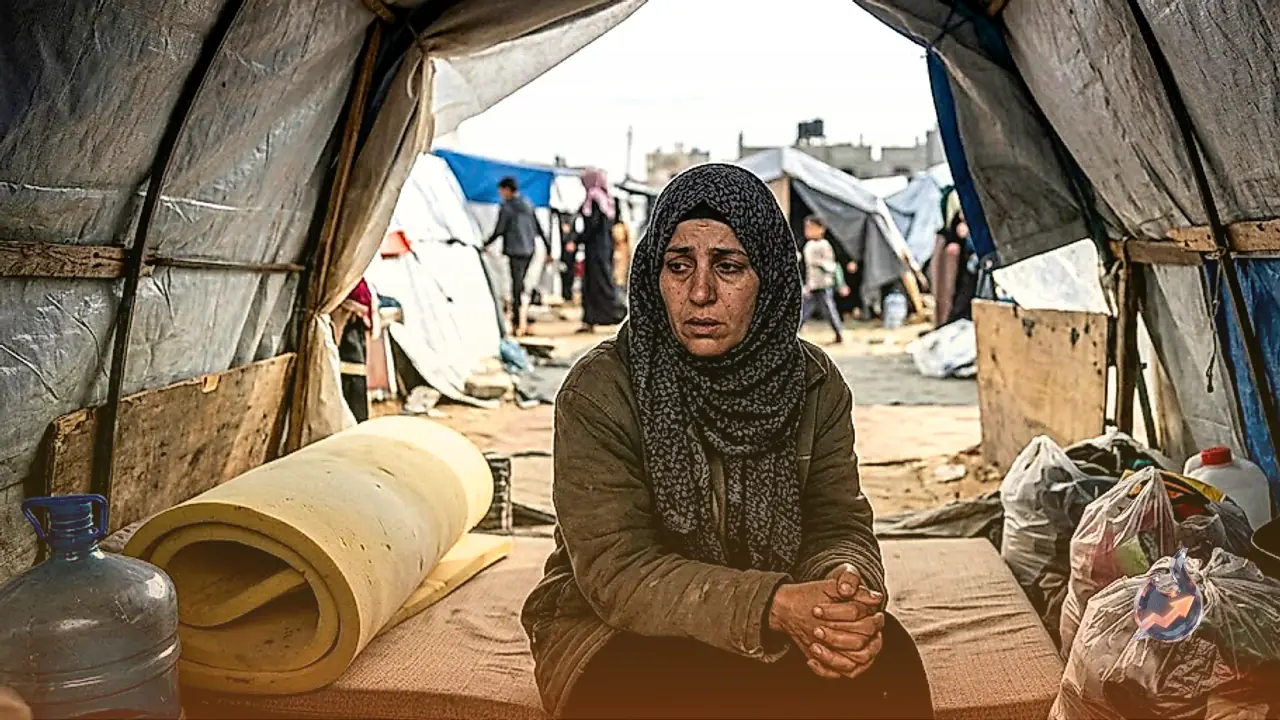
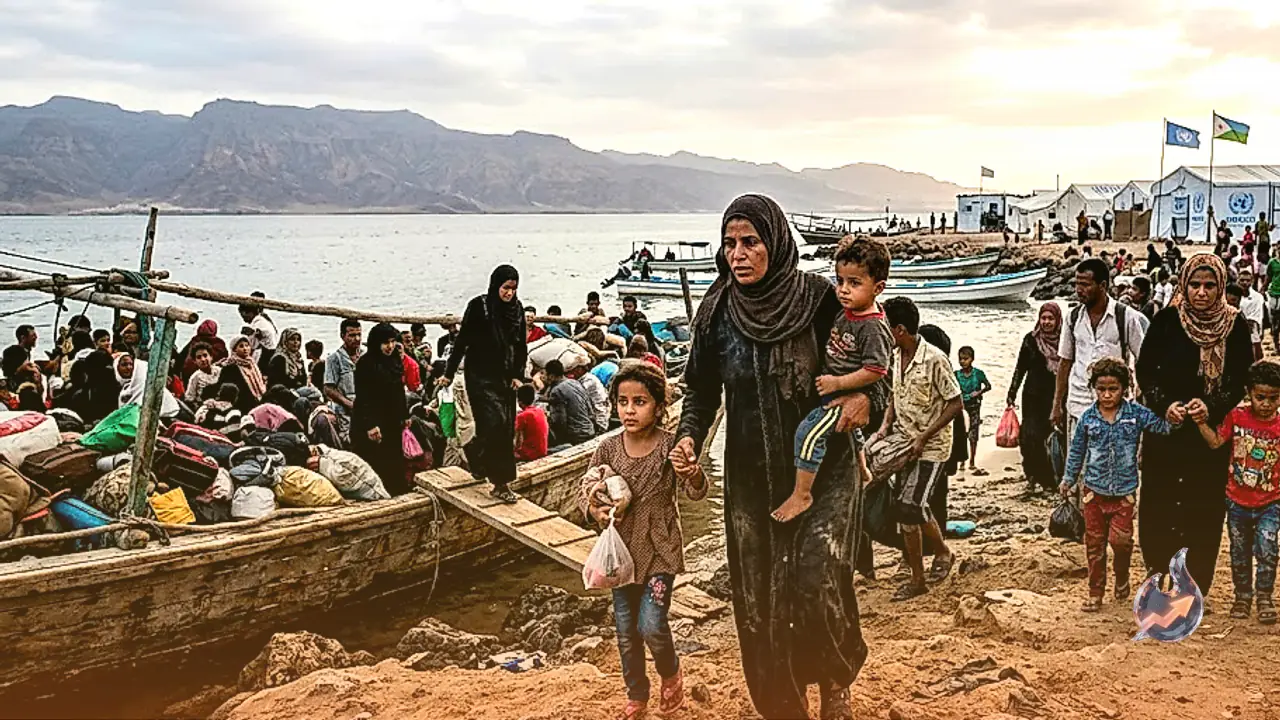
Alongside aerial operations, Washington has enforced an extensive naval blockade encompassing Iranian seaports, inflicting acute strain on the domestic Iranian economy. President Trump has supplemented military measures with threats of secondary economic sanctions targeting foreign nations that continue commercial exchanges with Tehran. Despite this intense economic squeeze, Tehran has maintained its stance, insisting that Washington and Israel cease hostilities on all fronts, including Israeli military operations targeting Hezbollah in Lebanon. Concurrently, Yemen's Houthi forces have escalated attacks on Saudi Arabian oil distribution channels, heightening tensions across the broader Middle Eastern theater.