























Military hostilities in the Middle East have escalated into a dangerous new phase following retaliatory strikes launched by Iran against Kuwait in response to recent US bombing operations. Air defense sirens echoed across Kuwait early Thursday morning as its military engaged incoming aerial threats. The Kuwaiti Defense Ministry confirmed that its air defense network intercepted multiple missiles and drones sent during what it characterized as open aggression by Iranian forces. This military friction follows similar interceptions reported a day earlier by US allies Bahrain and Jordan, highlighting a rapidly widening regional conflict.
Retaliation Across Kuwait and Gulf Nations
Early Thursday morning, emergency sirens alerted residents across Kuwait as Iranian forces launched a coordinated missile and drone attack against targets in the country. The Kuwait Ministry of Defense announced via a public statement on X that its air defense units successfully intercepted the incoming projectiles, neutralizing the immediate threat. Kuwaiti officials condemned the offensive as unprovoked aggression. The strike on Kuwait comes shortly after both Bahrain and Jordan reported that their respective air defense systems had successfully intercepted a barrage of Iranian airstrikes on Wednesday, demonstrating the high operational alert across the Gulf region.
Background of Military Confrontation at Hormuz
The latest wave of direct confrontations was ignited on Sunday when US forces launched precision strikes against Iranian rocket launchers located on an island in the strategic Strait of Hormuz. US defense officials justified the preemptive action by stating that Iranian units were preparing to use those launch sites to deploy naval mines across the critical maritime trade corridor. In response, armed engagements intensified throughout the week. On Tuesday, US military aircraft conducted extensive strikes across southern Iran, targeting air defense batteries, radar installations, and naval assets. Security footage released by Iran's Fars news agency depicted massive fireballs illuminating the night sky above the coastal town of Kuhestak during the bombardment.
Disaster Hits Wedding Celebration in Kuhestak
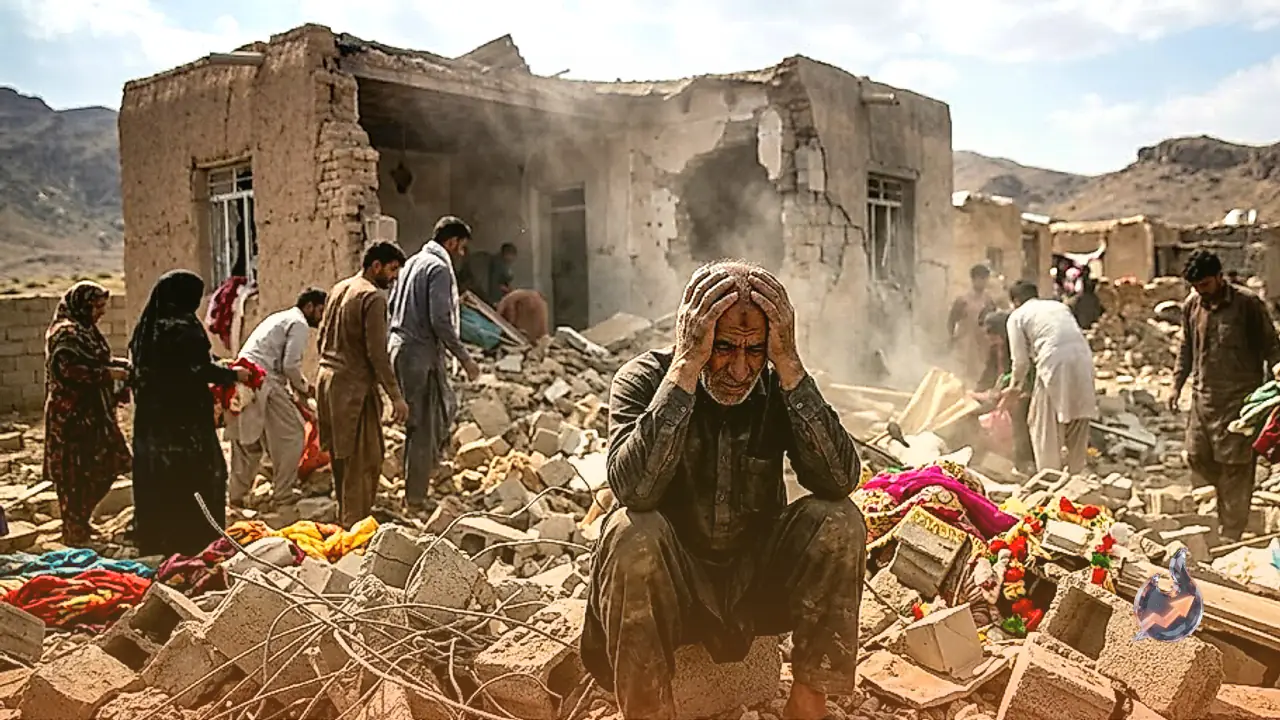
Tragedy struck the small Iranian coastal town of Kuhestak, located near the Strait of Hormuz, when a US missile struck a residential home during a wedding event. According to Iranian media reports and human rights groups, dozens of guests had gathered at the residence of a local fisherman to celebrate his daughter's marriage. Official Iranian news outlets, including the state news agency IRNA and state television, reported that the strike killed four civilians, specifically two women and two children aged 4 and 16. At least 68 other attendees sustained injuries. Photographs published by the semi-official Fars news agency revealed catastrophic structural damage, showing a gaping hole in the roof surrounded by scattered rubble and personal items. Additionally, a human rights monitoring group noted that a separate strike on a nearby communications tower resulted in the death of another child.
US Central Command Responds to Investigation Calls
In response to mounting reports regarding civilian casualties at the wedding gathering in Kuhestak, the US military acknowledged the situation. Captain Tim Hawkins, speaking as a spokesperson for US Central Command, stated that military authorities are actively examining the reports surrounding the strike on the civilian gathering. However, Captain Hawkins did not clarify whether a formal military investigation or official inquiry has been formally initiated. As both nations remain on high military alert, regional security conditions continue to deteriorate across the Gulf waterway.