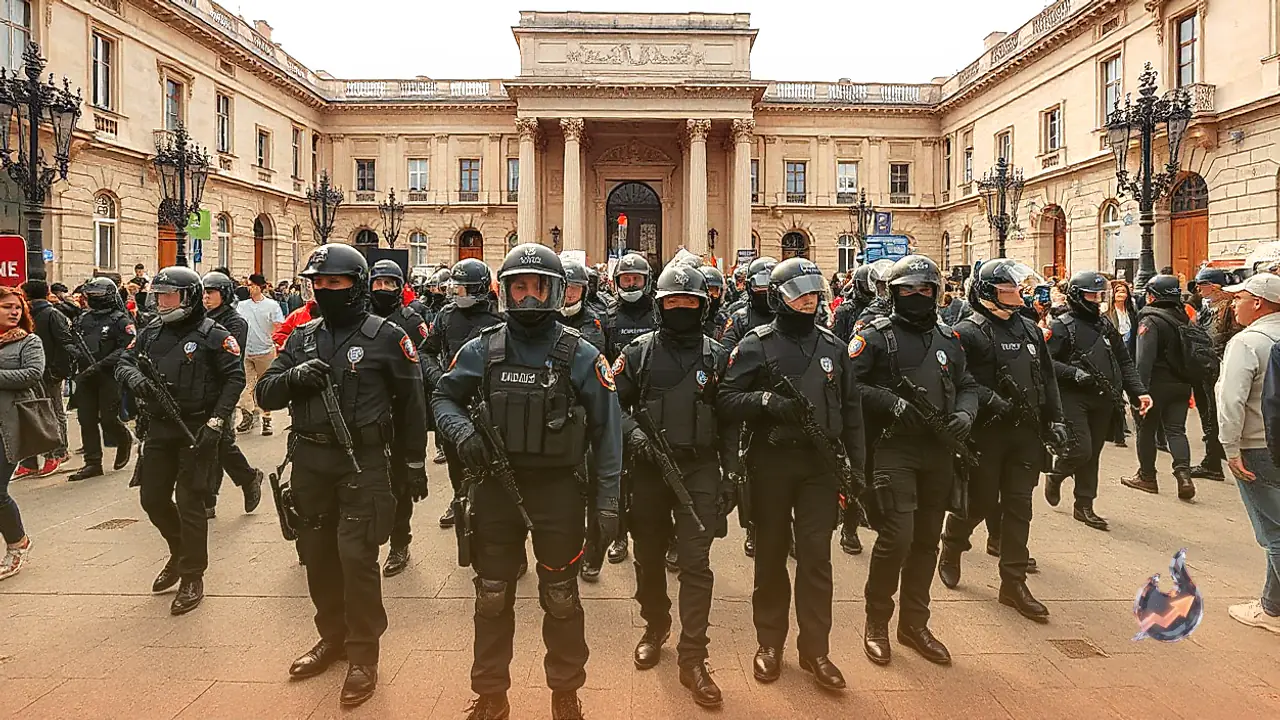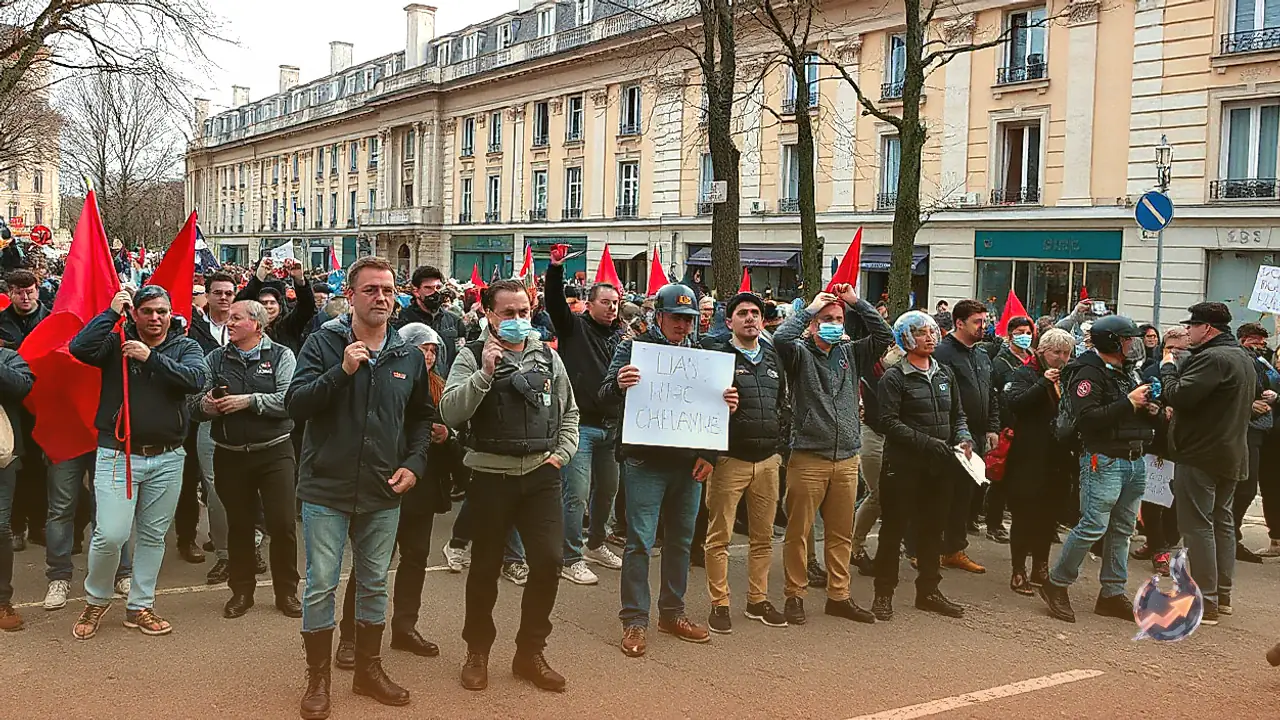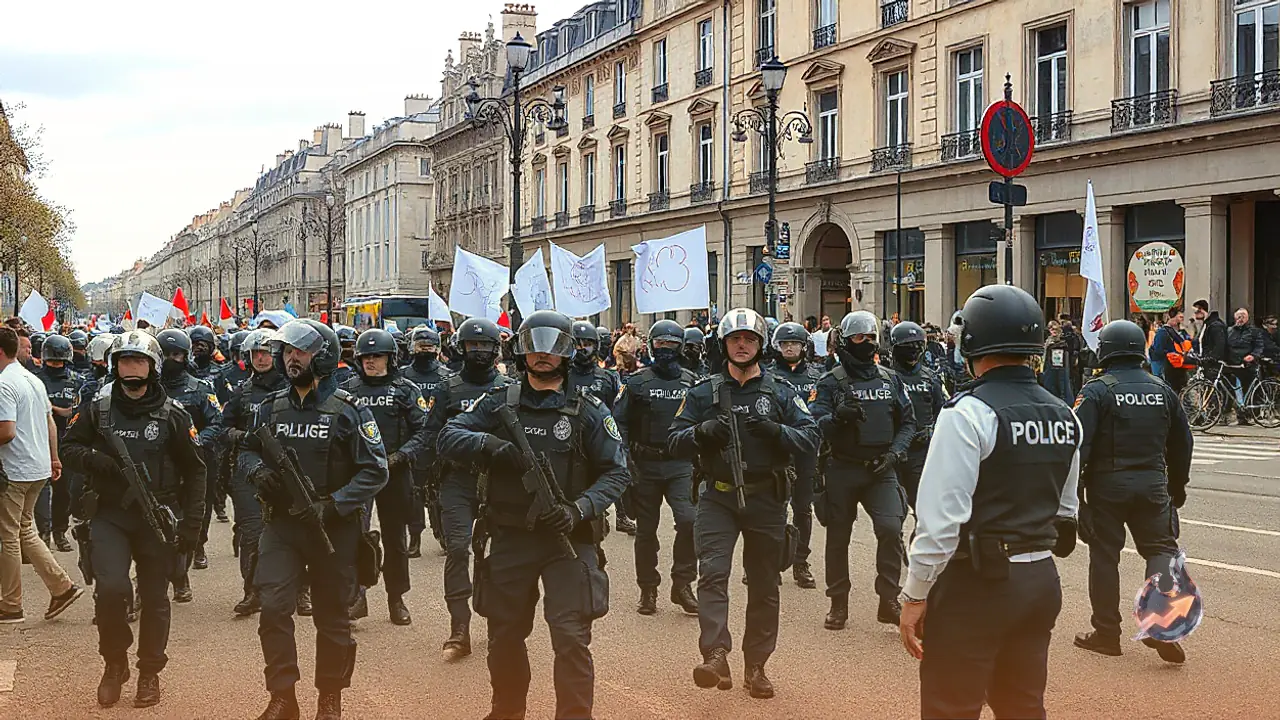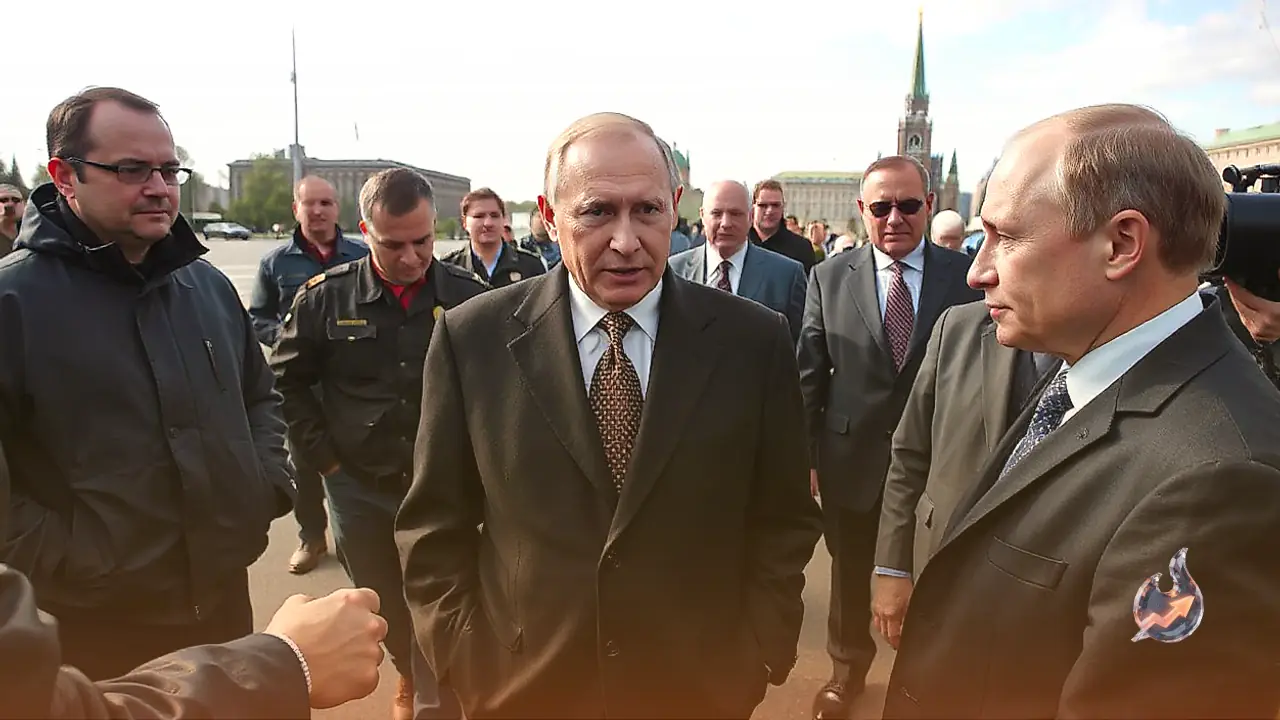




















Aleksandar Vučić, the long-standing right-wing populist leader of Serbia, has conceded defeat to a youth and student-led protest movement following snap parliamentary elections across the country. Speaking late on Sunday at the Belgrade headquarters of his ruling Serbian Progressive Party (SNS), the veteran politician acknowledged the decisive shift in the nation's political landscape, bringing a dramatic turn to the political establishment that has governed Serbia for years.
Addressing members and supporters as preliminary tallies confirmed the outcome, Aleksandar Vučić formally conceded the race.
"We still do not have final results... it is clear that we have lost these elections,"he stated during his late-night address, moving ahead of the official certified figures to recognise the outcome.
Celebrations Erupt Across Belgrade
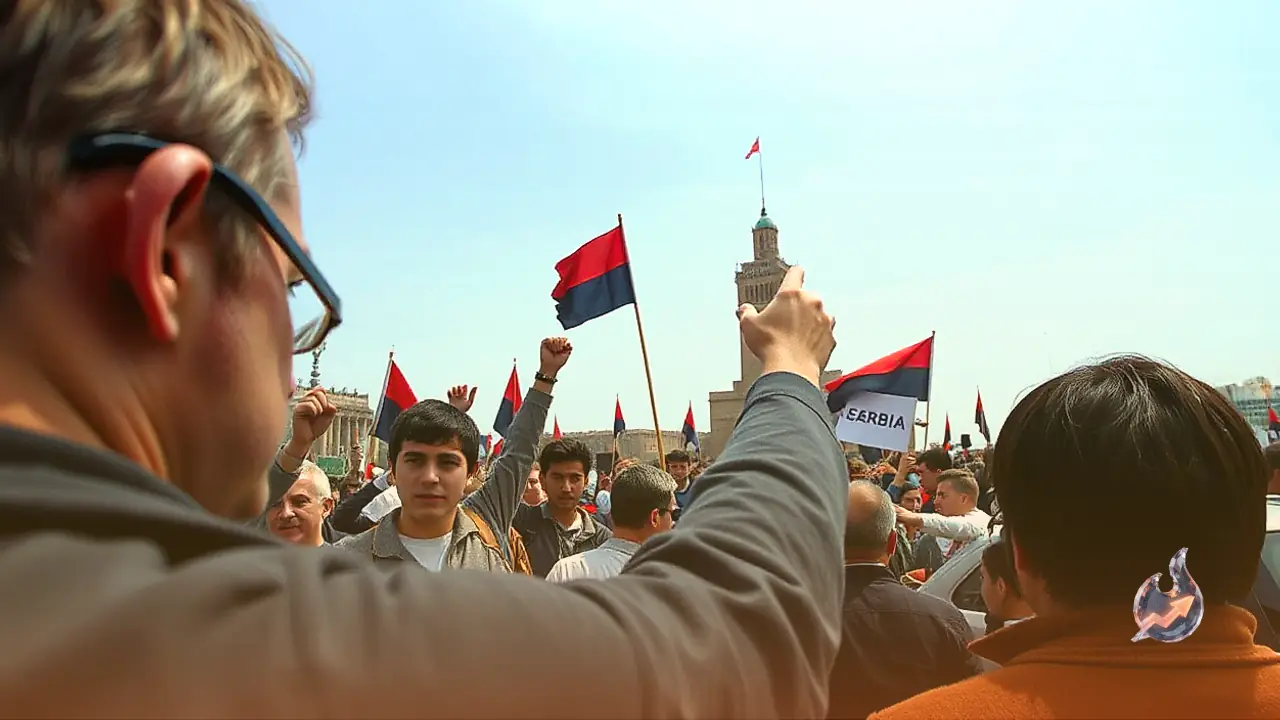
The concession triggered immediate and widespread celebrations throughout the streets of the capital city. Large crowds poured into public squares and key intersections across Belgrade, filling the night air with the sound of honking car horns and enthusiastic chants of "victory" led by student organisers. For the young activists who had sustained street demonstrations for months, the concession marked an unprecedented political victory over the entrenched ruling party.
Record Voter Turnout Favours the Grassroots Coalition
Data provided by Serbia's election commission indicated that voting booths witnessed historic participation levels, marking a record high turnout nationwide. Commentators and political observers had previously noted that an exceptionally high volume of voters would work heavily in favour of the student movement by mobilizing previously disengaged citizens and anti-establishment sentiment against the ruling administration.
The Catalyst: The 2024 Novi Sad Tragedy
The roots of the snap election trace directly back to a deadly structural disaster that gripped the nation in 2024. A train station canopy collapsed in the northern city of Novi Sad, killing 16 people. The disaster quickly became a focal point of public fury, viewed by wide segments of the Serbian public as an egregious and emblematic example of systemic corruption, poor oversight, and administrative negligence under the incumbent leadership.
Two Years of Street Demonstrations Forced the Vote
In the wake of the Novi Sad canopy collapse, student groups launched coordinated rallies that grew into a persistent, nationwide protest movement lasting two straight years. Demanding accountability, institutional transparency, and an end to impunity, the demonstrators sustained relentless pressure on state institutions. Aleksandar Vučić ultimately called snap parliamentary elections in an effort to defuse the protracted crisis, a gamble that has now culminated in a historic concession of power.