




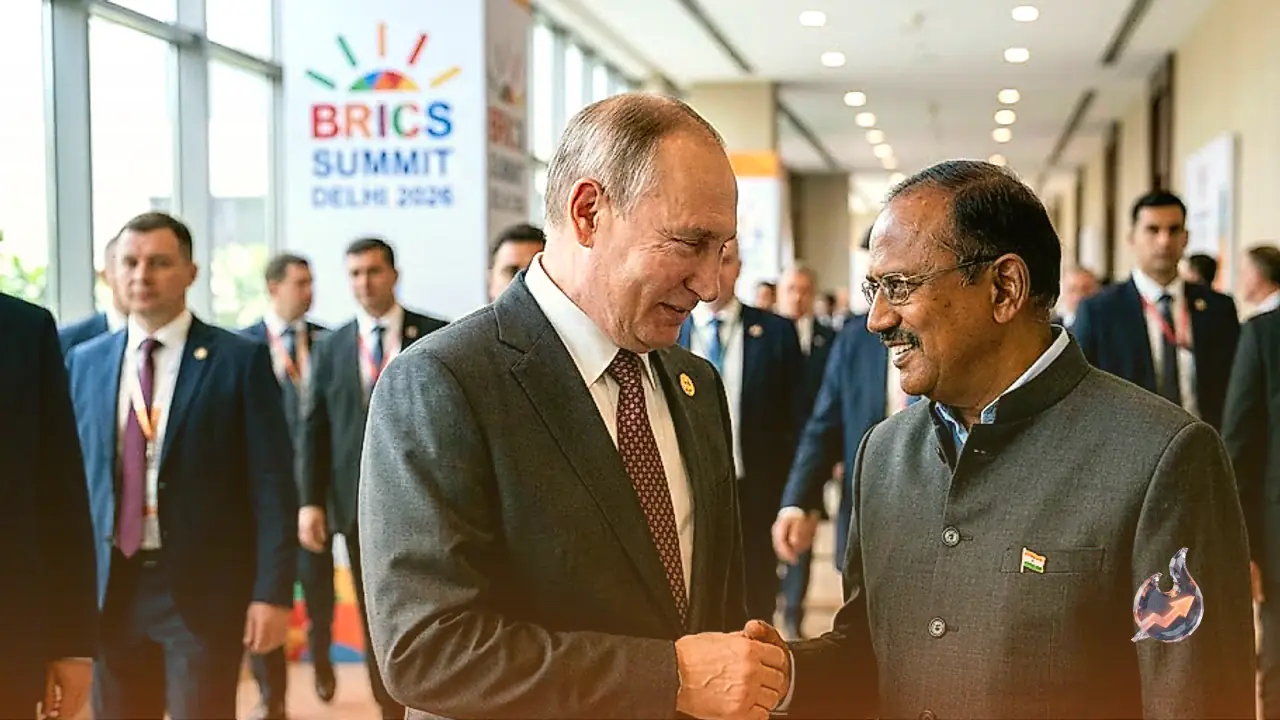















World leaders and top diplomats assembled in New Delhi for the latest BRICS Summit, highlighting the growing geopolitical relevance of the multilateral bloc. High-profile attendees included Chinese President Xi Jinping, Russian President Vladimir Putin, and Iranian President Masoud Pezeshkian, alongside several other heads of state. However, amid this prominent gathering of global heavyweights, one key figure was notably absent: Brazilian President Luiz Inácio Lula da Silva, one of the original founding leaders of the BRICS grouping. Instead of travelling to India, Brazil dispatched Foreign Minister Mauro Vieira to represent the South American nation in New Delhi. The sudden decision of President Lula to skip the high-stakes summit in favor of remaining in his home country has generated widespread interest regarding the underlying reasons behind his absence.
Founding Legacy and Historic BRICS Context
President Lula's decision to miss the New Delhi summit is particularly striking given his historical connection to the alliance. Back in 2009, when the inaugural BRIC summit was convened in Yekaterinburg, Russia, Lula stood as one of the four foundational leaders who inaugurated the bloc. That historic group comprised Indian Prime Minister Manmohan Singh, Russian President Dmitry Medvedev, Chinese President Hu Jintao, and Brazilian President Lula himself. At that early juncture, the association was restricted to just four emerging economies. Over the years, the organization has expanded dramatically, transforming into BRICS and welcoming new full members including South Africa, Saudi Arabia, the United Arab Emirates, Iran, Egypt, and Ethiopia. Given this evolution, the absence of a founding leader from such an expanded global summit naturally drew significant international scrutiny. However, political observers emphasize that Lula's absence stems strictly from pressing domestic political imperatives rather than any diplomatic friction.
Prioritizing Domestic Election Campaigning
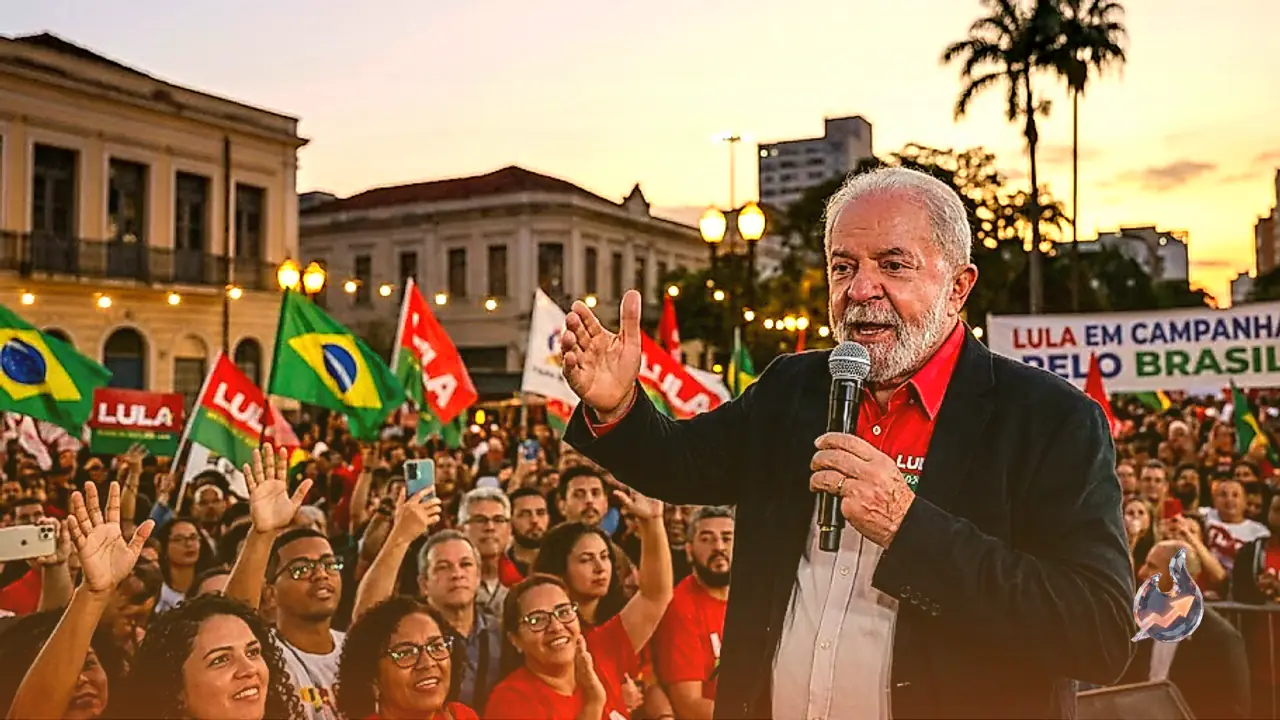
The primary driver behind Lula's decision to stay in Brazil is the upcoming presidential election, with the first round of voting slated for October 4. The schedule of the BRICS Summit coincided directly with the most critical and intense phase of the national election campaign in Brazil. President Lula is currently seeking another term in office, facing a formidable electoral challenge from conservative Senator Flávio Bolsonaro. In such a tightly contested race, maintaining active presence on the ground is considered vital for securing voter support. Consequently, Lula chose to prioritize domestic political rallies and campaign engagements over international diplomatic travel. He has been actively touring southern Brazilian states, participating in public rallies and voter outreach events to consolidate his electoral standing during the crucial final stretch before citizens head to the polls.
Strict Campaign Finance Laws and Legal Risks
Beyond the immediate need for campaign appearances, stringent Brazilian electoral laws played a pivotal role in keeping President Lula at home. Brazil enforces rigorous regulations governing the utilization of public funds, administrative resources, and official machinery during election periods, particularly when an incumbent president is actively running for re-election. While standard presidential state visits are routinely funded through official government accounts, undertaking an extensive international journey just weeks prior to an election carries substantial legal and political risks. Political opponents could argue that such official travel served indirect campaign purposes, potentially triggering formal investigations and complex accounting audits regarding the legitimacy of using state resources during an active election cycle.
Rigid Spending Caps and Avoiding Political Controversy
Under Brazil's electoral rules, candidates face strict caps on their presidential campaign expenditure. For the 2026 election cycle, candidate spending during the first round is capped at approximately 88.9 crore (889 million) Brazilian Reais. Should the contest proceed to a second-round run-off, candidates are permitted an additional spending limit of roughly 44.4 crore (444 million) Brazilian Reais. Within this tight legal framework, every expenditure made during the closing stages of the election comes under intense scrutiny. If an international diplomatic trip were classified or challenged as an election-related activity, its cost might be deducted from the candidate's strictly regulated campaign budget. To avoid giving his primary opponent, Flávio Bolsonaro, any opportunity to spark legal disputes or public controversies over public spending, Lula determined that remaining in Brazil was the most prudent course of action.


