



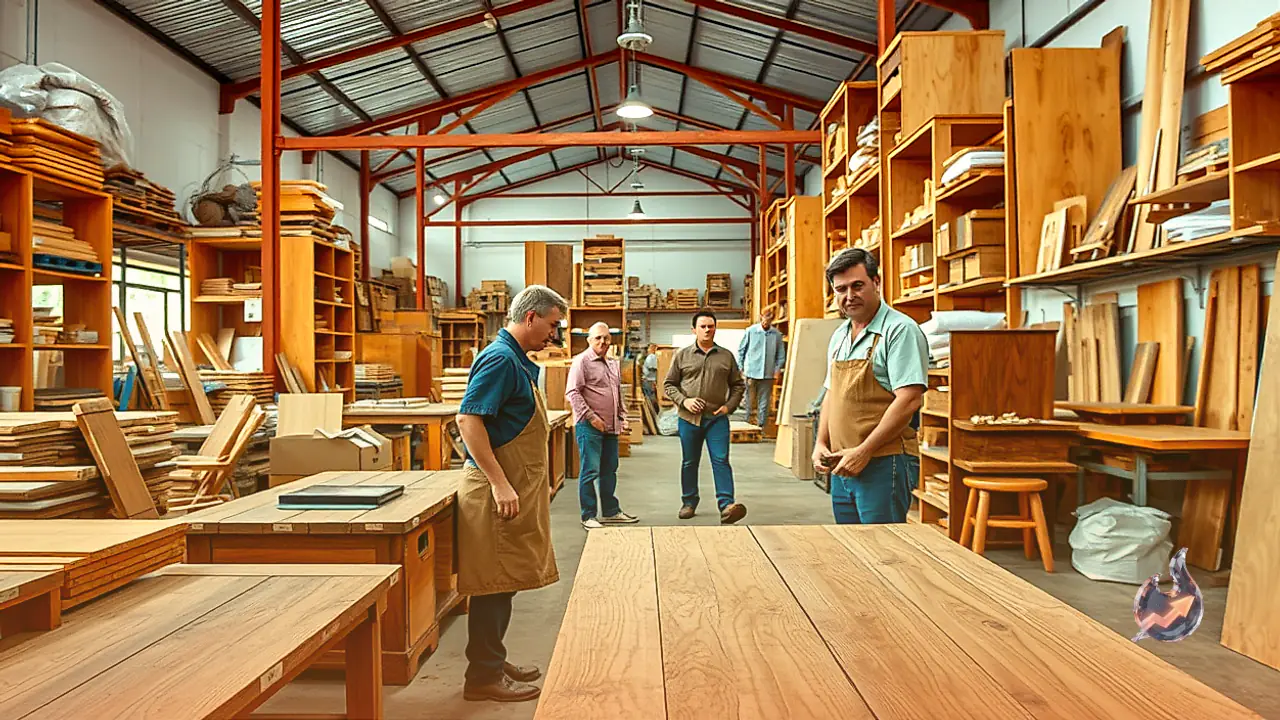


















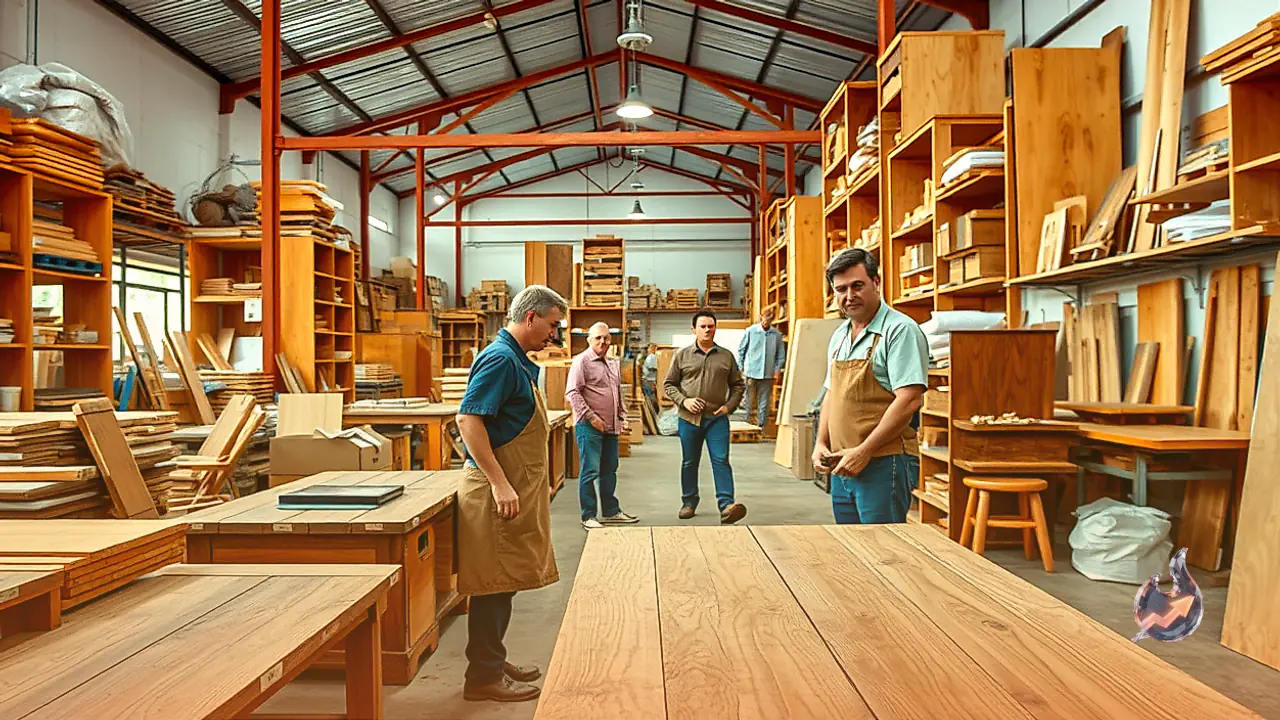

When designing or renovating a home, selecting durable and long-lasting wooden furniture is a top priority for most homeowners. However, even expensive wooden sofas, beds, or cabinets sometimes develop cracks or fall prey to termites and woodborers within a short span of time. Simply purchasing expensive or attractive timber does not guarantee that furniture will endure for decades. Along with choosing the right species of wood, ensuring that the timber undergoes proper chemical treatment and controlled seasoning is critical. Without these foundational steps, even naturally sturdy wood loses its structural integrity over time.
Teak and Rosewood: The Primary Choices for Quality Furniture
The city of Saharanpur in Uttar Pradesh holds an international reputation for its exquisite wood carving craftsmanship and flourishing timber industry. Furniture and decorative wooden artifacts crafted in Saharanpur are exported to markets across the globe. According to Saharanpur-based wood merchant Tanjim Nawaz, Sheesham (Indian Rosewood) and Sagwan (Teak) remain the preferred choices for crafting high-quality household furniture in India due to their superior grain strength and aesthetic appeal.
In addition to Sheesham and Teak, species like Neem and Mango wood are widely utilized for specific furniture and utility items. For foreign export markets, products crafted from Mango wood and Acacia are particularly popular, especially for gift items and home decor pieces. However, regardless of the wood type used, expert processing remains essential to ensure that the final item retains its quality over time.
Protection Against Termites: The Role of Boric and Borax Treatment
Untreated raw timber remains constantly vulnerable to infestation by termites, beetles, and wood-boring insects. To safeguard the wood from such biological damage, it must undergo a specialized chemical treatment process. Tanjim Nawaz explains that wood treatment relies on a formulated chemical solution containing boric acid and borax. This chemical mixture penetrates the inner layers of the timber, creating a protective barrier against wood-destroying pests.
When proper chemical treatment protocols are followed, the lifespan of the wood can increase by approximately 10 to 15 years. However, the overall durability of the finished furniture also depends on environmental factors, ambient humidity levels in the room, and routine maintenance by the owner.
The Seasoning Process: Reducing Moisture Content from 95% to 10-14%
Once chemical treatment is complete, the timber undergoes the indispensable process of wood seasoning. Freshly felled timber contains an extremely high percentage of water, with initial moisture levels reaching as high as 95 percent. If furniture is crafted directly from raw wood with such high moisture content, the wood will shrink, warp, and split as it dries naturally over time.
Through controlled seasoning methods, the moisture level inside the timber is systematically reduced from its initial high state down to approximately 10 to 14 percent. According to Tanjim Nawaz, a moisture level between 10 and 14 percent is considered ideal for fine carving work and sturdy furniture construction. At this calibrated moisture level, the risk of wood distortion or structural cracking is minimized.
Kiln Drying vs Proper Seasoning: Understanding the Difference
A common misconception among buyers is that simply baking wood inside a high-temperature kiln is equivalent to complete seasoning. Tanjim Nawaz clarifies that rapid high-heat drying makes timber excessively brittle on the outside while leaving internal stresses unresolved. When such rapidly baked wood is exposed to ambient room humidity, it readily absorbs moisture back from the atmosphere.
To avoid this issue, artisan woodworkers in Saharanpur perform a complete two-step preparation: first treating the wood with boric and borax solutions, followed by gradual, humidity-controlled seasoning. This systematic approach permanently stabilizes the timber's moisture levels, rendering it resilient against seasonal changes.
Crucial Factors to Consider When Buying Wooden Furniture
When purchasing wooden furniture, buyers should look beyond surface appearance, polish, or stain. It is essential to inquire not only about the species of timber used but also whether the wood has undergone verified chemical treatment and complete seasoning. Investing in properly processed timber ensures that furniture remains resistant to pest attacks and structural defects for years to come.