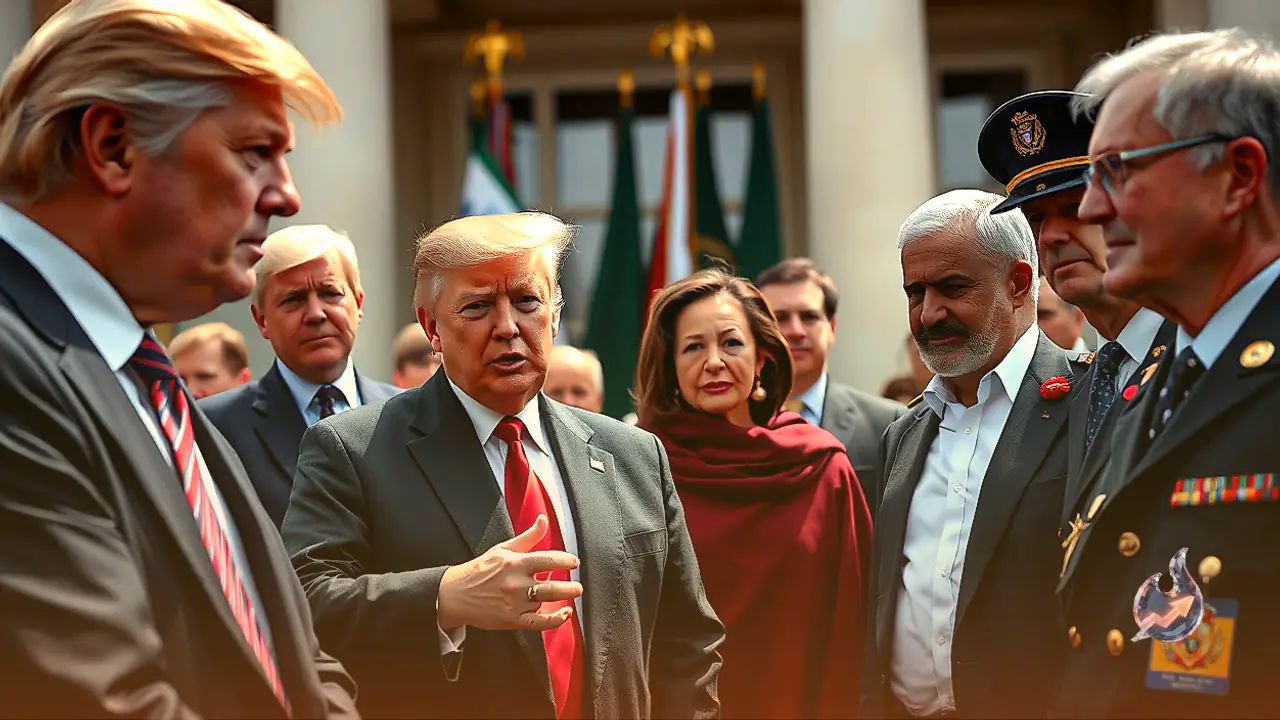























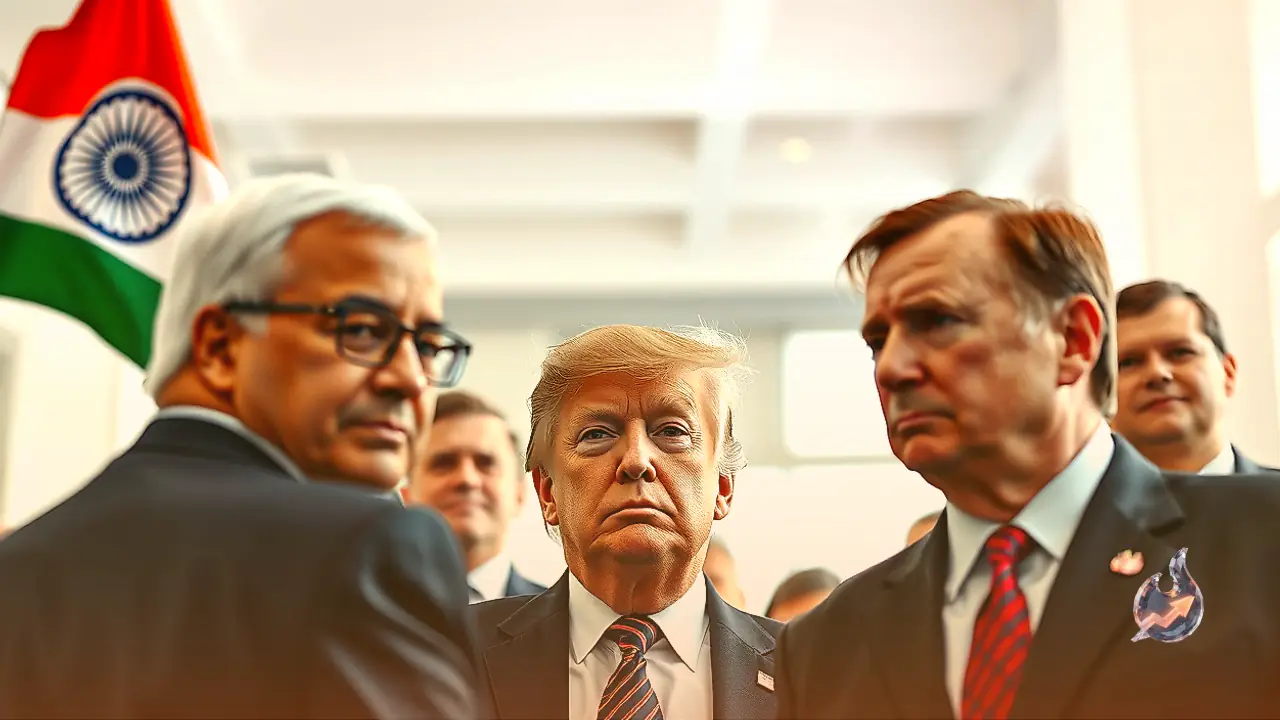

New Delhi has secured significant trade breathing room from Washington following an executive intervention by US President Donald Trump. In a late Friday move, the US President signed an order temporarily halting punitive tariffs and sanctions targeting nations that maintain energy ties with Moscow. The action comes immediately ahead of a statutory deadline established by legislation enacted just last month, with the US administration determining that staying these economic penalties aligns directly with domestic strategic priorities.
Executive Waiver Cites American National Interest
Donald Trump authorized the suspension late Friday night by issuing a formal executive waiver. Fulfilling statutory requirements, the administration transmitted formal certification to the US Congress affirming that providing this regulatory relief serves immediate American interests. Under the order, Trump confirmed he is granting an exemption from enforcing these sanctions and tariffs under the Graham Act. Crucially, the waiver functions as a temporary freeze rather than a permanent repeal, meaning the White House retains statutory authority to reimpose the measures at its discretion in the future.
Impending October 18 Deadline and the 100 Percent Levy Threat
The punitive framework originated from the 'Lindsey O. Graham Sanctioning Russia and Iran Act of 2026', which Donald Trump signed into law last month. Under its statutory provisions, the president was given a strict 30-day window to mandate a 100 percent tariff on all commercial goods originating from the five largest purchasers of Russian crude oil: India, China, Slovakia, Hungary, and Azerbaijan.
That one-month countdown was scheduled to expire on October 18. Had the president not intervened before the deadline, all outbound shipments from these five economies to the United States faced doubling duties. The underlying legislation also carried severe direct measures against Moscow itself, mandating broad sanctions across multiple Russian corporate entities alongside a punitive 500 percent tariff on any energy commodities entering the United States directly from Russia.
Statutory Scope and International Impact of the Graham Act
Drafted primarily to starve Moscow of capital flows sustaining its ongoing war against Ukraine, the Lindsey O. Graham Sanctioning Russia and Iran Act of 2026 targeted Russian state banks, senior officials, energy enterprises, and third-country entities aiding military logistics. By granting sweeping presidential powers to penalize secondary purchasers, the statute sought to forcefully dismantle global consumption of Russian crude and natural gas.
The law also established personal sanctions targeting Russian President Vladimir Putin and top Kremlin officials. By authorizing retaliatory trade duties of up to 100 percent against foreign buyers, the legislative measure placed serious economic pressure on roughly 10 nations worldwide, led prominently by India and China. While the executive waiver successfully eliminates an immediate trade shock, the underlying framework remains intact on Washington's legislative books.