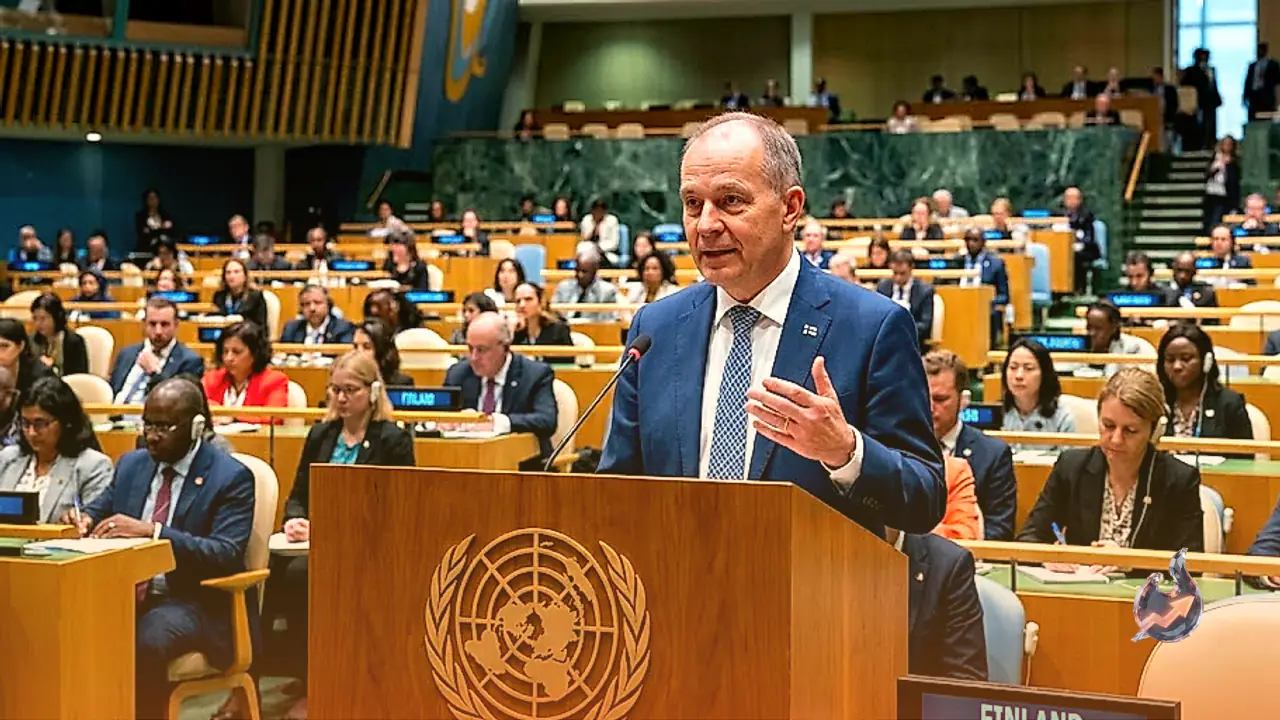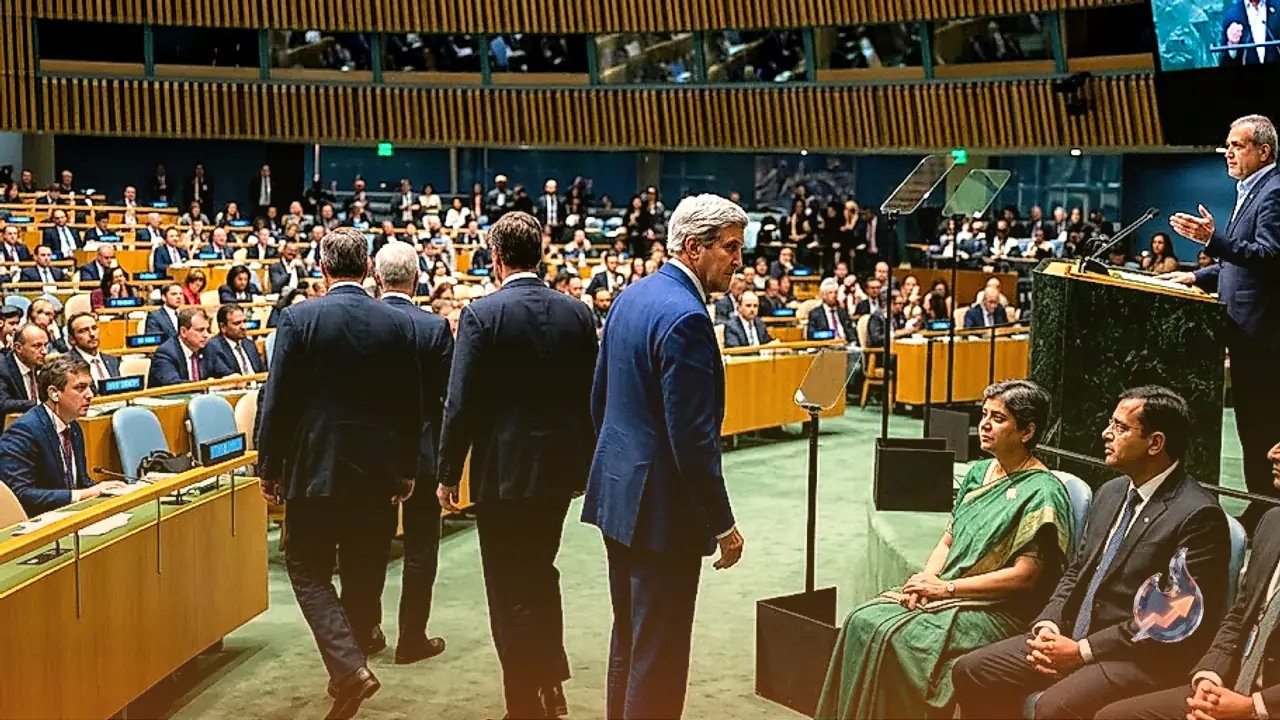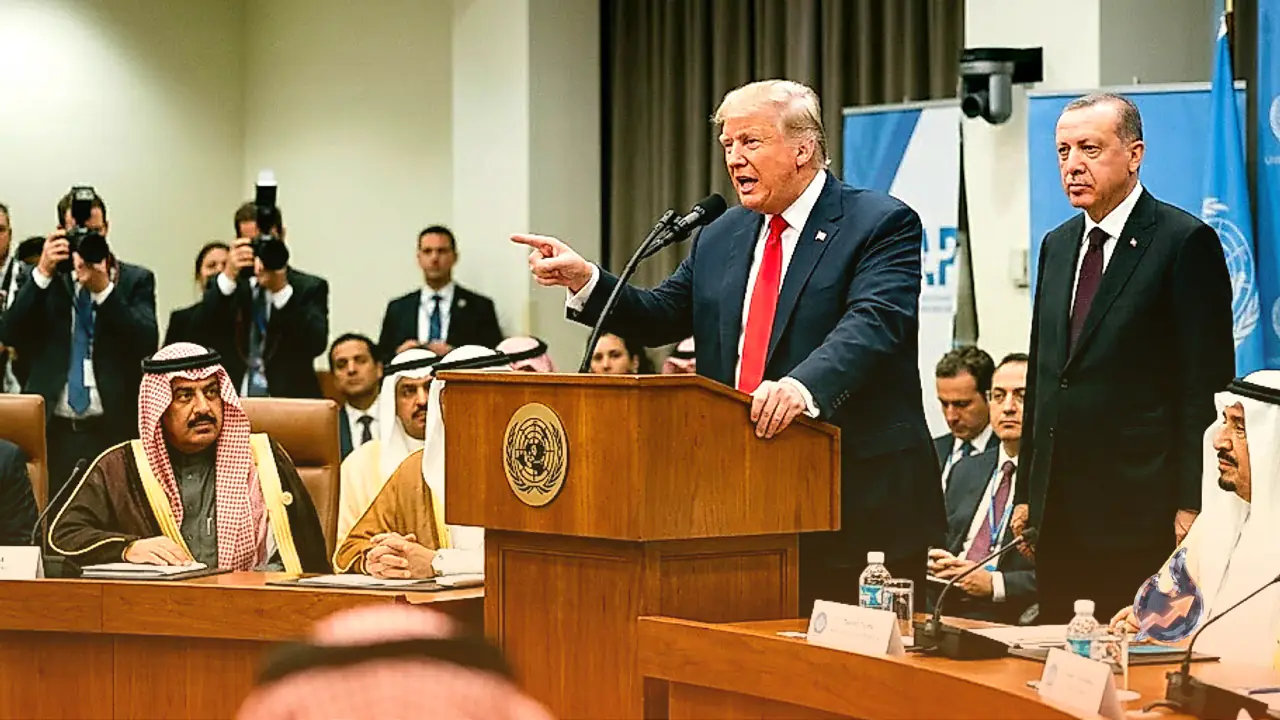


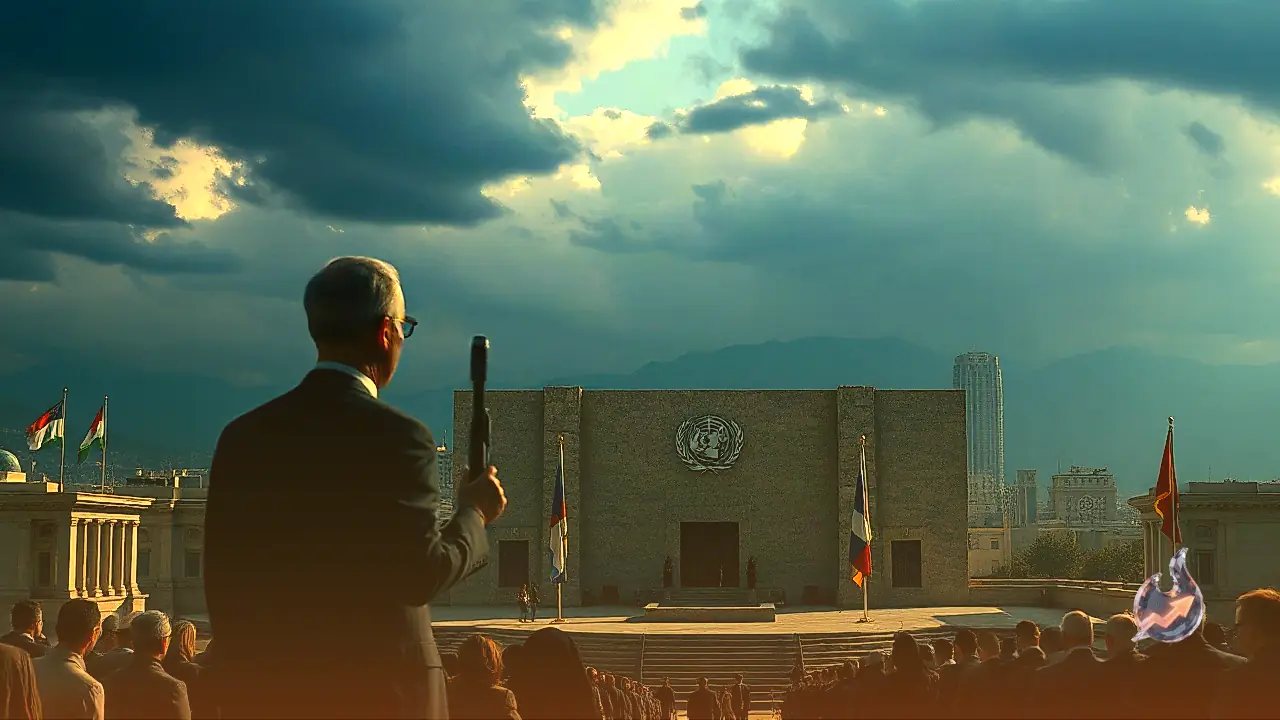

















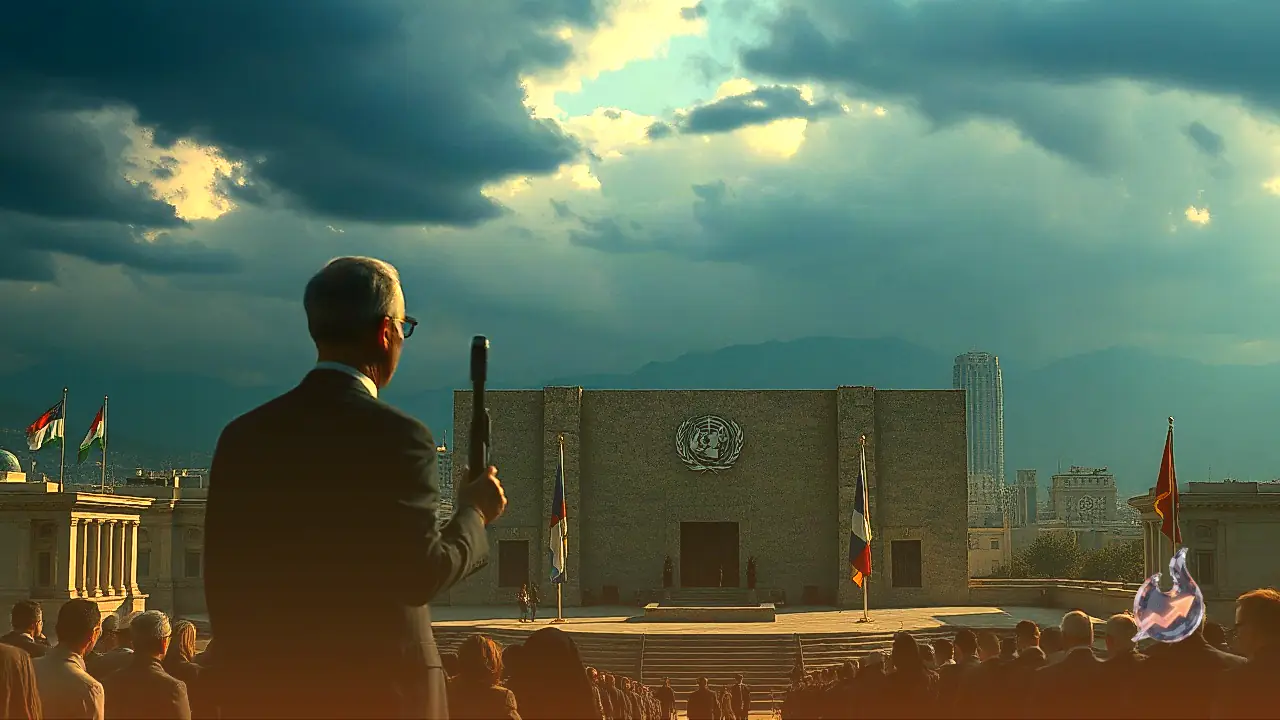

Israeli Prime Minister Benjamin Netanyahu is set to address the United Nations General Assembly in New York, marking his 15th speech before the premier international gathering. The diplomatic backdrop to this visit stands in stark contrast to his earlier appearances. Escalating military campaigns across Gaza and the West Bank have drawn widespread global condemnation, culminating in severe accusations of human rights abuses on the floors of the UN. Yet, behind the international spotlight, Netanyahu’s focus remains anchored to domestic political realities. With critical parliamentary elections scheduled in Israel toward the end of this year, the veteran leader aims to transform this high-profile global stage into a tactical domestic rally to wrong-foot political rivals at home.
Domestic Electoral Calculuses and the World Stage
When the Israeli Prime Minister steps onto the rostrum of the General Assembly, national political preservation will dominate his calculations. Critical parliamentary elections are looming in Israel later this year. Multiple recent opinion polls and voter surveys consistently indicate that domestic confidence in Netanyahu and his governing Likud party is experiencing a marked decline. In this fragile political climate, Netanyahu seeks to project himself as the sole national figure capable of standing resolute against concentrated international diplomatic pressure.
Alon Pinkas, a former Israeli diplomat based in New York, observes that this recurring UN address serves as a time-tested political tool for Netanyahu. According to Alon Pinkas, the prime minister has succeeded in transforming these annual appearances into something resembling a national holiday or major televised event back home. Israeli citizens gather around television screens to follow the proceedings live. Through this display, Netanyahu aims to reassure domestic voters that even if the entire international community lines up against Israel, he will never capitulate. Consequently, the remarks delivered from the podium function far less as foreign policy overtures and far more as direct appeals to Israeli voters.
Decades of Friction Between Israel and the United Nations
Diplomatic interactions between Israel and the United Nations have historically been fraught with intense friction. The international organisation has repeatedly criticised Israeli control over Palestinian territories and its recurring military interventions. Since October 2023, this acrimony has reached unprecedented levels. Debates across UN committees and councils have seen Israel face serious allegations of carrying out genocide and egregious human rights violations in Gaza.
Israel has vehemently rejected every such accusation, consistently accusing the United Nations of harbouring systemic anti-Israel bias. The dispute reached an extraordinary climax when the Israeli government formally declared UN Secretary-General Antonio Guterres persona non grata, barring him from entering the country. Furthermore, Israeli authorities enacted sweeping restrictions on the operations of UNRWA, the primary UN agency responsible for assisting Palestinian refugees. Among the broader Israeli public, the UN is widely perceived as an inherently hostile institution biased against their security concerns.
Heightened Tensions in New York and Stringent Security Plans
Netanyahu’s current stop in New York unfolds within an atmosphere of acute political polarization. New York City Mayor Zohran Mamdani has been an outspoken critic of Israeli government policy. Across Israeli media networks, public statements made by Mamdani have been highlighted as openly anti-Israel rhetoric. This contentious environment prompted a fierce response from Israel’s Ambassador to the UN, Danny Danon. Ambassador Danon directly accused the world body of enabling diplomatic terrorism, while also alleging that the New York mayor was fostering an environment hostile to the Jewish community.
Due to these severe security evaluations, the entire schedule for the visit has been drastically curtailed. Precautionary protocols dictate that the prime minister will touch down in New York, proceed directly to deliver his address before the General Assembly, and immediately board a flight back to Israel on the very same day. No prolonged engagements, media availability, or extraneous public itineraries will take place within the city.
The American Veto Shield and United Nations Impasse
Throughout these diplomatic clashes, unwavering backing from the United States has served as Israel’s principal defensive buffer. Uncertainty still surrounds whether an in-person meeting between Netanyahu and US President Donald Trump will materialise during this brief transit, prompting speculation regarding the absolute firmness of Washington’s support. Nevertheless, Washington’s voting record in the UN Security Council remains a vital line of defense for Israel.
Since October 2023, the United States has exercised its veto power in the Security Council on at least six separate occasions to block resolutions against Israel, many of which called for an immediate ceasefire. Simultaneously, initiatives such as the Board of Peace formed by Donald Trump have been designed to reallocate administrative and post-conflict oversight of Gaza away from traditional UN mechanisms toward alternate institutional bodies.
Geopolitical analysts emphasize that the 80-year-old veto structure alongside competing great-power priorities has left the United Nations fundamentally weakened. In protracted conflicts spanning Gaza, the West Bank, Yemen, and Sudan, the organisation’s capacity to drive political resolutions has dwindled to near insignificance. Even so, UN humanitarian agencies continue to handle the grueling logistics of delivering food relief and essential medical supplies into Gaza and the West Bank, navigating access routes tightly controlled by the Israeli military.
Anticipated Impact on Israeli Domestic Politics
Netanyahu’s address is widely anticipated to alter dynamics inside Israel’s domestic political arena. Major Israeli news networks will broadcast the full speech live, setting off extended cycles of panel debates and analyses across national media for days afterward. Netanyahu intends to leverage every moment of the broadcast to reinforce his image as America’s most dependable partner and the singular leader equipped to shield the nation from Iranian security threats.