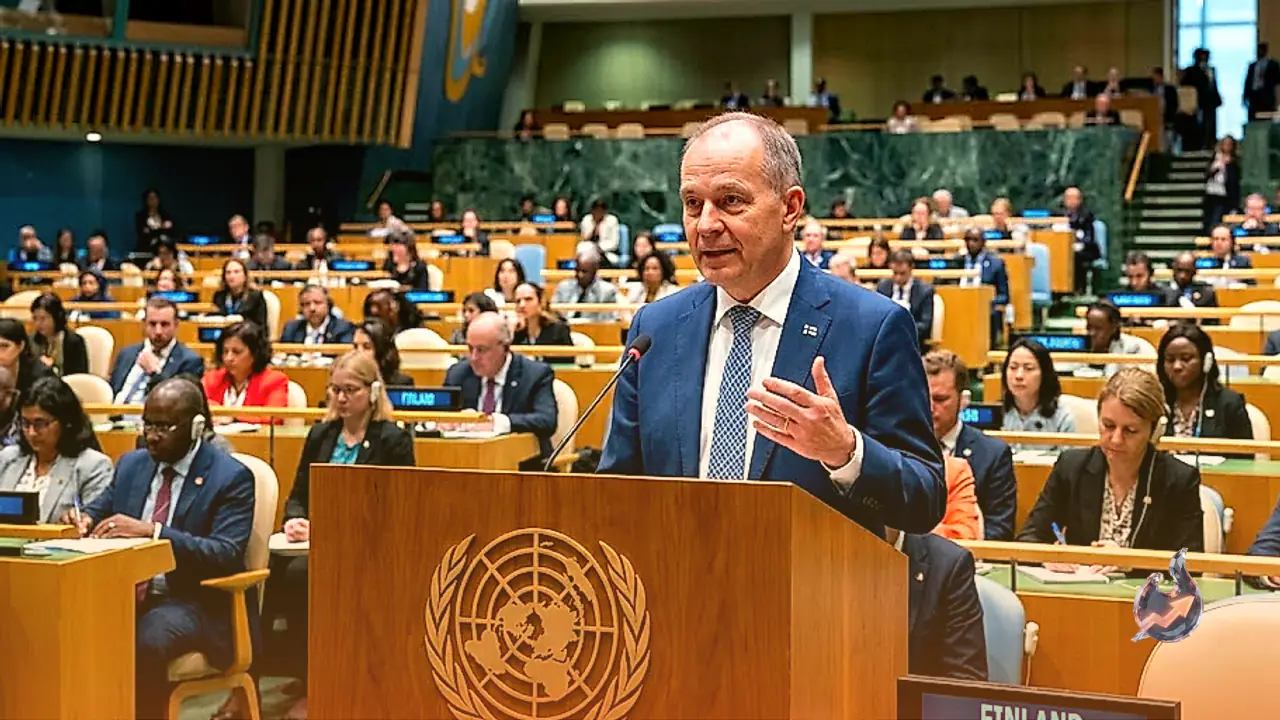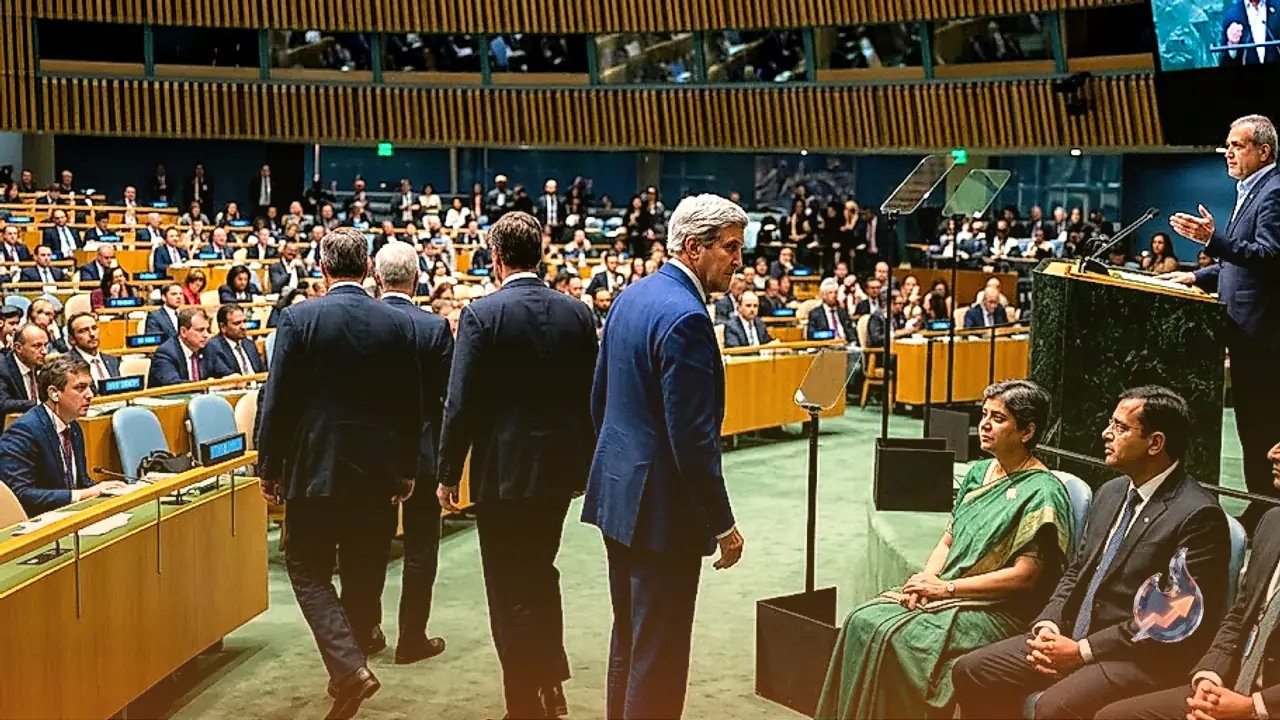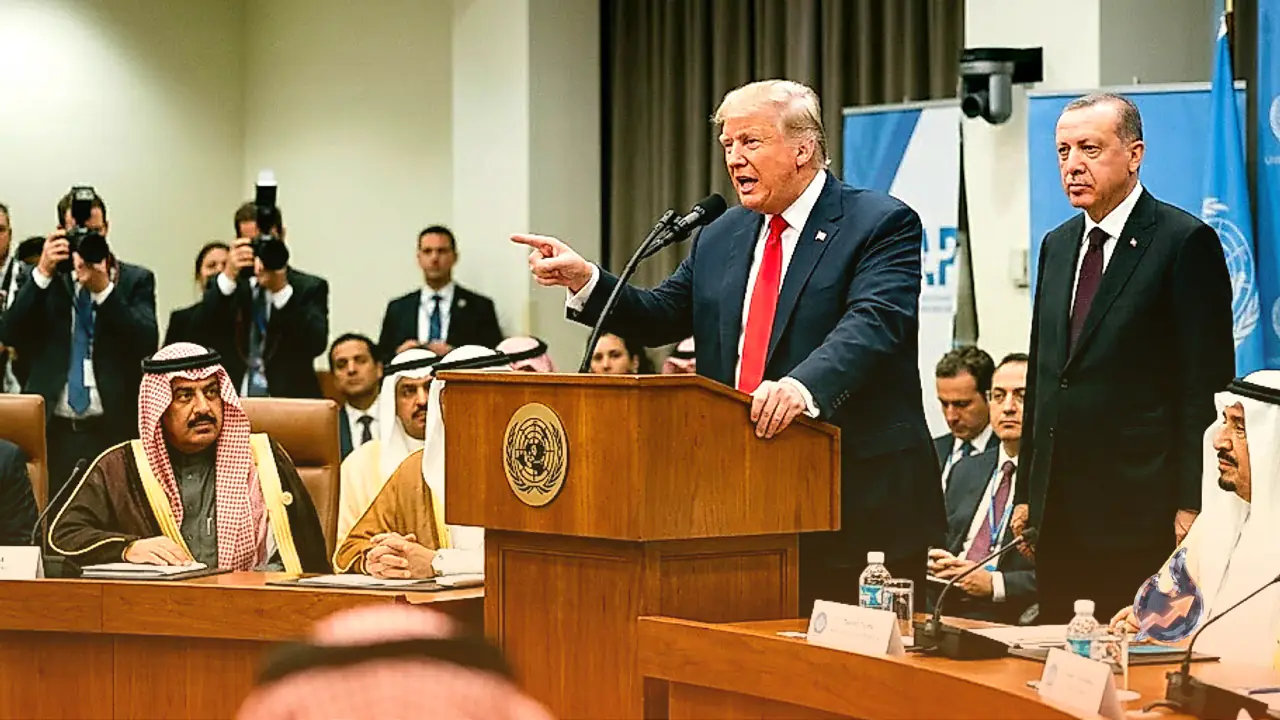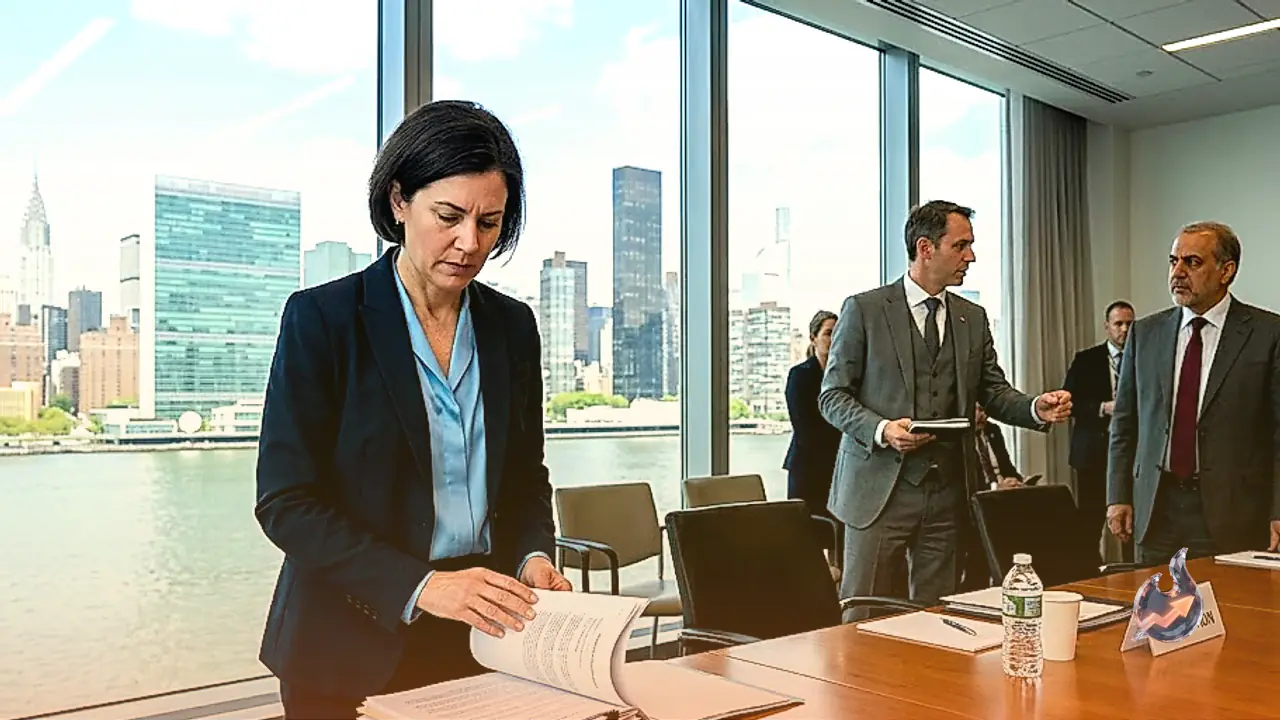




















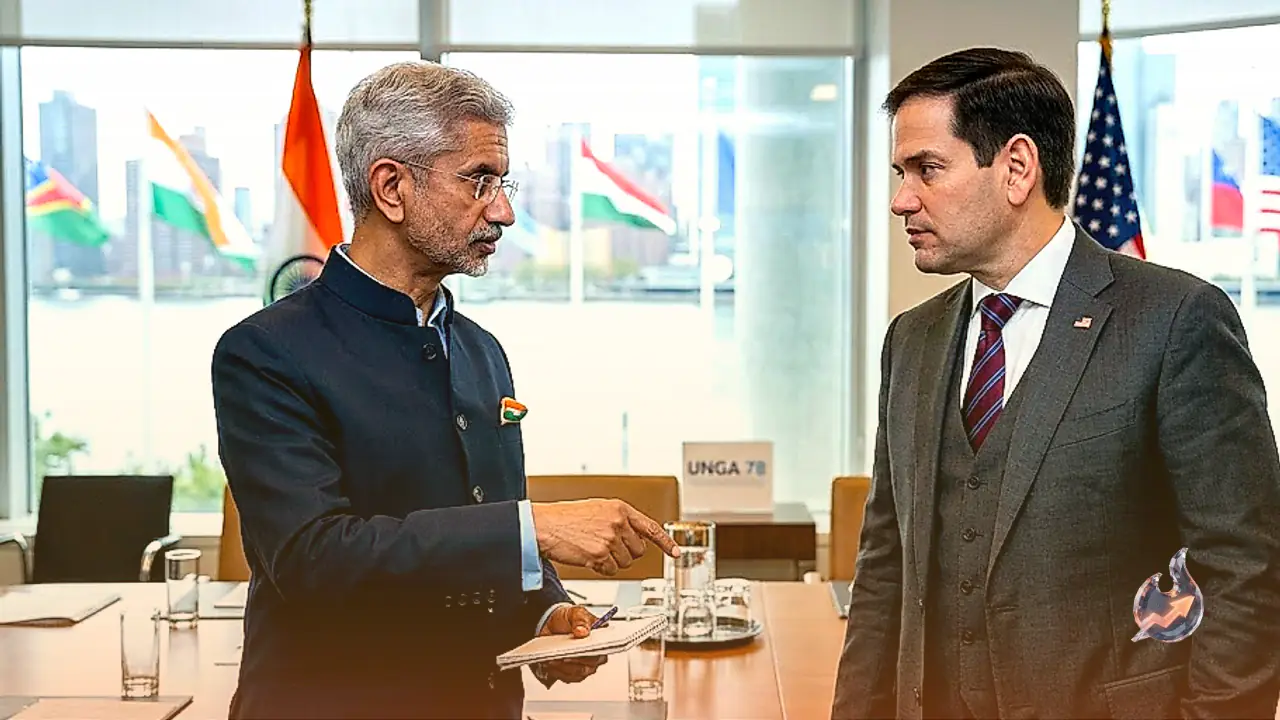

In a crucial bilateral encounter on the sidelines of the United Nations General Assembly in New York, External Affairs Minister S Jaishankar held extensive discussions with United States Secretary of State Marco Rubio. The meeting unfolded against the backdrop of newly enacted sanctions legislation in Washington that threatens punitive tariffs of up to 100 percent against purchasers of Russian energy. Jaishankar unequivocally articulated that the energy security of 1.4 billion citizens stands above all other considerations for New Delhi, underscoring that sovereign procurement choices cannot be dictated by extraterritorial coercion.
The Mechanics of the SRIA Legislation and the Tariff Warning
The legislative trigger behind this friction is the Lindsey O Graham Sanctioning Russia and Iran Act, commonly known as SRIA, recently cleared by the US Congress. This statute vests discretionary authority in US President Donald Trump to impose punitive tariffs of up to 100 percent on any jurisdiction continuing to purchase crude oil or natural gas from Russia. Because India and China represent the leading commercial buyers of Russian crude, the passage of this enactment sparked widespread geopolitical deliberation over whether Washington would genuinely target Indian exports with full-scale import duties and how severely such trade barriers might hit economic growth.
New York Dialogue and New Delhi's Explicit Response
Following the face-to-face deliberation with Marco Rubio, External Affairs Minister S Jaishankar took to social media platform X to lay out India's definitive stance. Jaishankar noted that his meeting with US Secretary of State Rubio on the margins of UNGA offered an occasion to firmly reiterate India's national interests and specific concerns regarding the SRIA legislation, while also exchanging assessments on ongoing tensions in the Gulf region and the situation in Ukraine. This public reaffirmation served notice that India has no intention of walking back its hydrocarbon trade under foreign legislative pressure, maintaining that meeting national consumption demands remains an sovereign right.
Ambassador Vinay Mohan Kwatra Outlines India's Strategic Realities
Preceding the ministerial discussion in New York, India's Ambassador to the United States, Vinay Mohan Kwatra, had similarly delivered a rigorous and data-backed defense of New Delhi's energy engagements. Kwatra explicitly stated that on matters concerning energy stability, India operates strictly on the guiding doctrine of people first. He made it clear that decisions regarding crude procurement are governed entirely by availability, cost competitiveness, commercial viability, and evolving market realities rather than political alignment.
To provide clear context to American policymakers, the ambassador highlighted the structural realities of Indian energy dependence. India imports more than 85 percent of its entire domestic crude oil consumption from international suppliers, alongside procuring 50 percent of its natural gas requirements from overseas sources. Kwatra reminded his audience that when wartime disruptions choked international markets and sent fuel prices spiraling, India's absorption of Russian crude not only shielded domestic consumers from devastating inflationary shocks but also stabilized the fragile international oil order. Had India withdrawn from purchasing those volumes, global crude benchmarks would have breached unprecedented highs.
Maritime Security Across the Gulf and Chokepoint Vulnerabilities
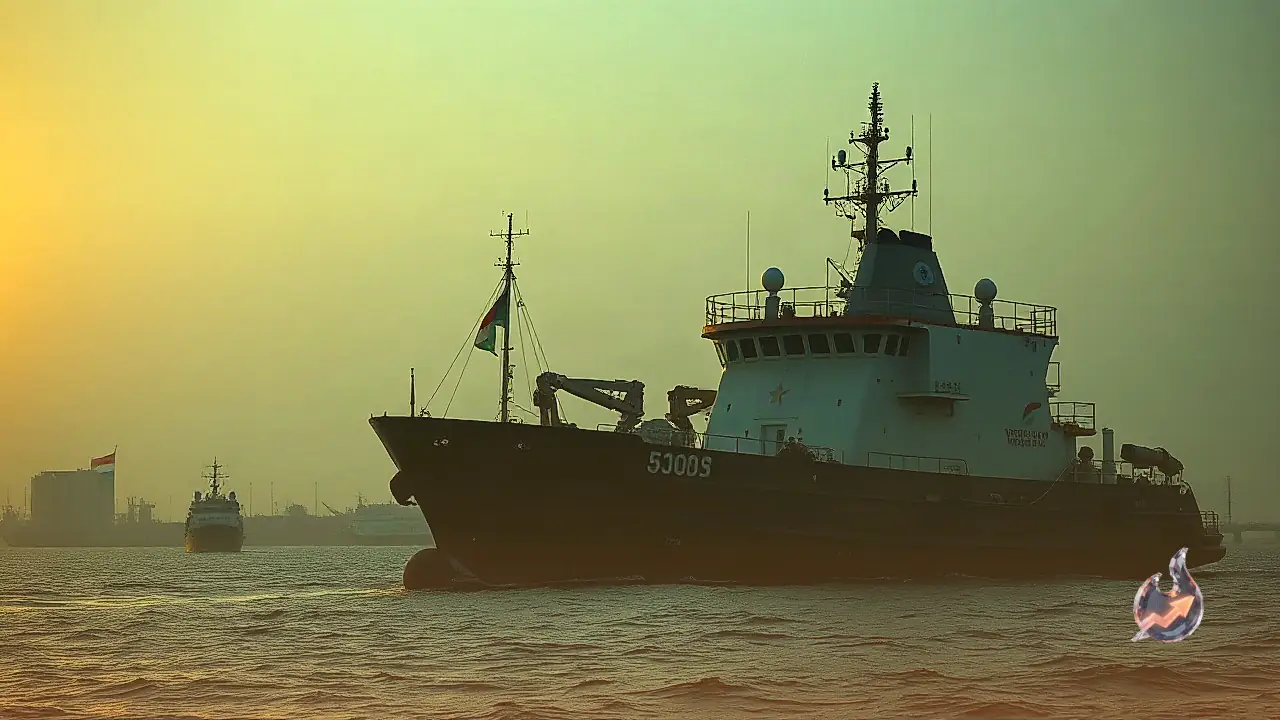
The conversation between Jaishankar and Rubio expanded beyond trade sanctions to encompass pressing vulnerabilities across vital maritime lanes. Discussions focused on repeated maritime attacks directed at commercial tankers navigating the Strait of Hormuz and the Red Sea. Because India draws substantial volumes of crude petroleum from Gulf producers, unimpeded navigational freedom and sustained peace in these maritime corridors are critical to national economic survival. Both dignitaries examined practical mechanisms to safeguard these shipping choke points against ongoing security hazards.
Strategic Barriers Confronting Any Imposition of Punitive Tariffs
Geopolitical analysts widely contend that the Donald Trump administration faces severe strategic and economic constraints that make the imposition of a 100 percent tariff on Indian goods virtually unfeasible
- Strategic Imperatives in the Indo-Pacific: Countering China's assertive posture across the Indo-Pacific demands close, uninterrupted security alignment with New Delhi. Penalizing a cornerstone partner with prohibitive trade barriers would fundamentally undermine broader defense and diplomatic architecture in Asia.
- Global Oil Price Escalation and US Inflation: Should India abruptly exit the Russian crude market, international petroleum prices would swiftly surpass 100 dollars per barrel. A supply squeeze of that scale would immediately trigger price spikes at domestic fuel pumps across the United States, reigniting severe inflationary pressures for American consumers.
- Proven Independent Foreign Policy: Over recent years, India has established an unwavering commitment to strategic autonomy, refusing to tailor its vital national security decisions to pressure from any global power.