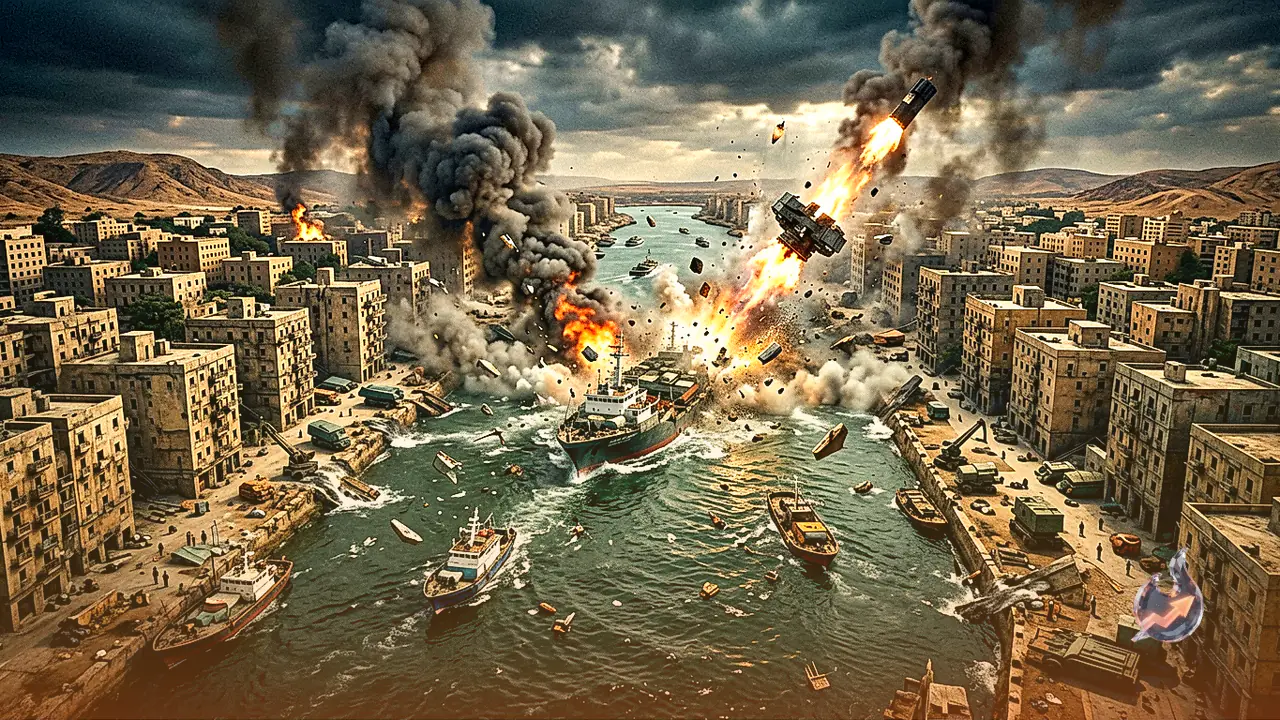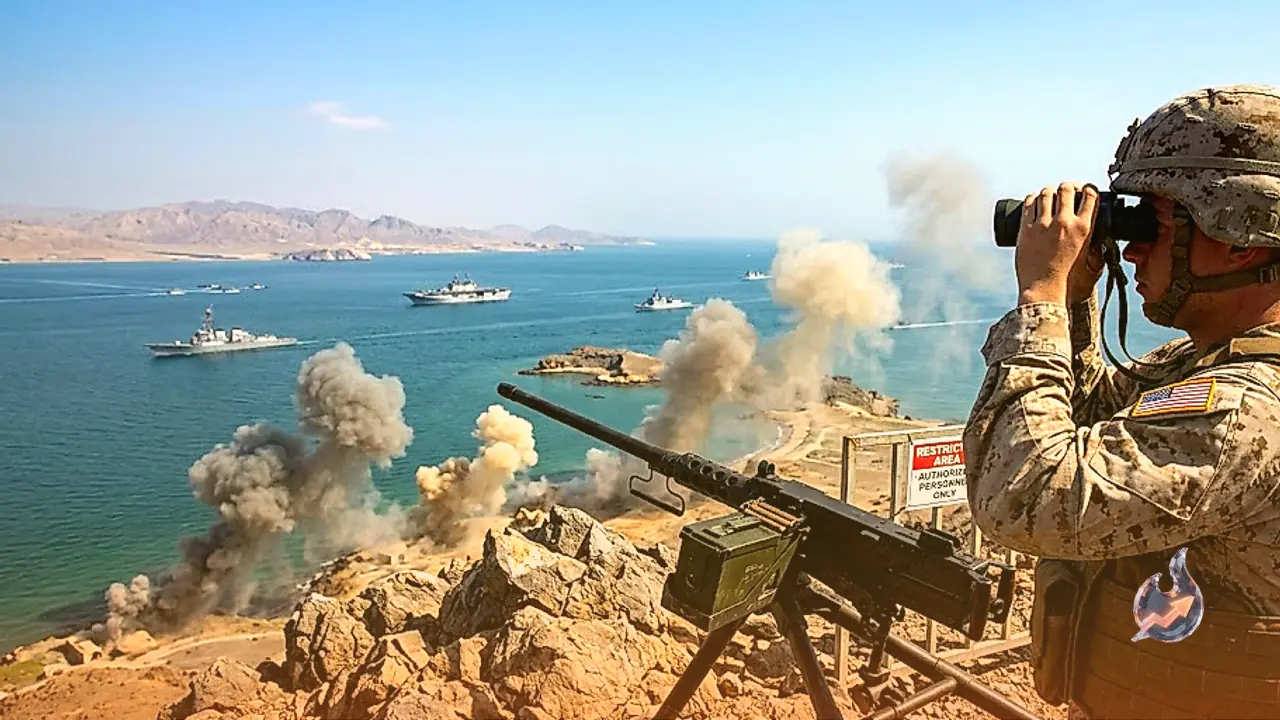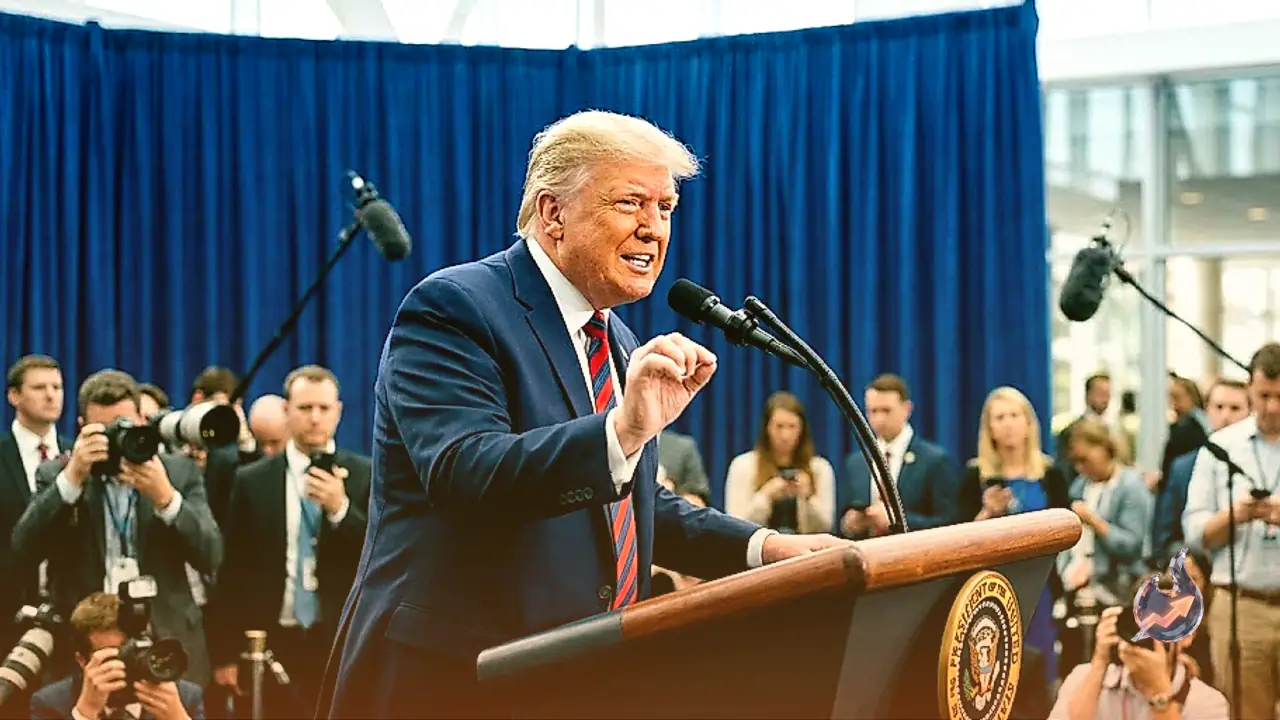
























Tensions surrounding the Strait of Hormuz have intensified following fresh commentary from US President Donald Trump regarding the strategic maritime passage. Midst continuing friction with Iran, the US President publicly advocated for renaming the vital waterway. Writing on his social media platform Truth Social, he questioned why the corridor should not bear a new designation given his assertion of American operational oversight in the region. The statement has renewed global debate over maritime control and geopolitical boundaries.
Claims of Operational Control and Direct Statements on Iran
In his Truth Social message, US President Donald Trump questioned whether the Strait of Hormuz ought to be renamed 'Trump Strait' now that the passage is under US control. He added that the waterway would become significantly hotter in strategic terms, drawing a parallel to the United States itself. This statement follows an earlier social media upload where he shared a map depicting the Strait of Hormuz labeled as new US territory.
Addressing the broader regional context, President Trump previously characterized the tactical situation as advantageous, asserting that the United States maintains near-total control over the maritime passage. He further remarked that Iran's national economy is experiencing severe structural collapse under diplomatic and financial pressure. In the same context, he publicly questioned when the citizens of Iran would rise up to challenge their domestic leadership, signaling a continued hardline posture against Tehran.
Pattern of Renaming Transnational Geographical Landmarks
Proposing new names for major international bodies of water aligns with earlier executive actions taken during the Trump administration. Amid commercial disagreements with Canada, an order was issued attempting to officially designate Lake Ontario as 'Lake America'. That move drew formal pushback from international observers and Canadian authorities.
Similarly, during the preceding year, an executive mandate sought to rename the Gulf of Mexico to the 'Gulf of America'. Following that directive, major technology corporations including Apple and Google modified localized mapping software used within the United States to display the updated name. Nonetheless, both Mexico and Canada formally rejected these sovereign naming alterations, maintaining traditional international nomenclature on official state maps.
Strategic Value of the Strait to Global Energy Shipping
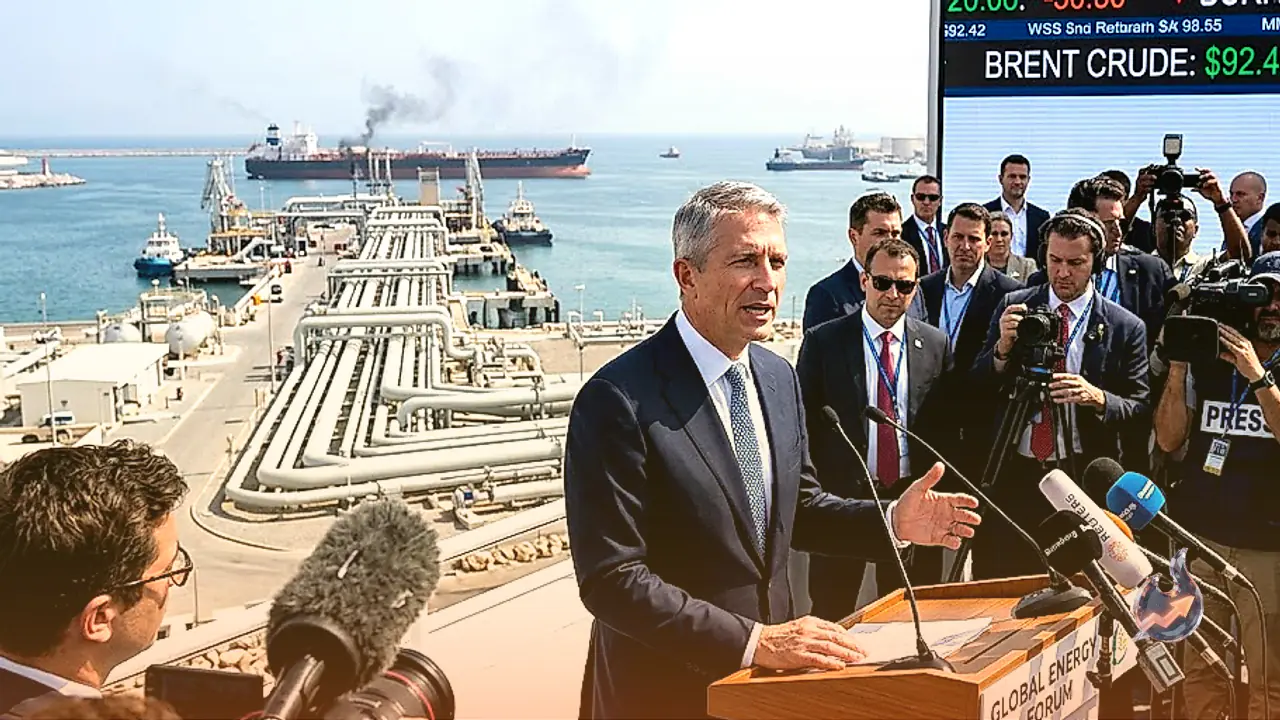
The Strait of Hormuz serves as one of the world's most critical maritime chokepoints for commercial shipping. Geographically, the narrow channel connects the Persian Gulf directly to the Gulf of Oman and the broader Arabian Sea. A substantial fraction of the total global petroleum trade and liquefied natural gas transport passes through this specific passage every single day.
Because of this high concentration of commercial traffic, any escalation in military posturing or diplomatic brinkmanship near the strait impacts global commodities markets immediately. Energy analysts emphasize that rhetoric surrounding physical control over Hormuz risks destabilizing shipping routes, potentially triggering volatility in crude oil prices and disrupting international trade networks.