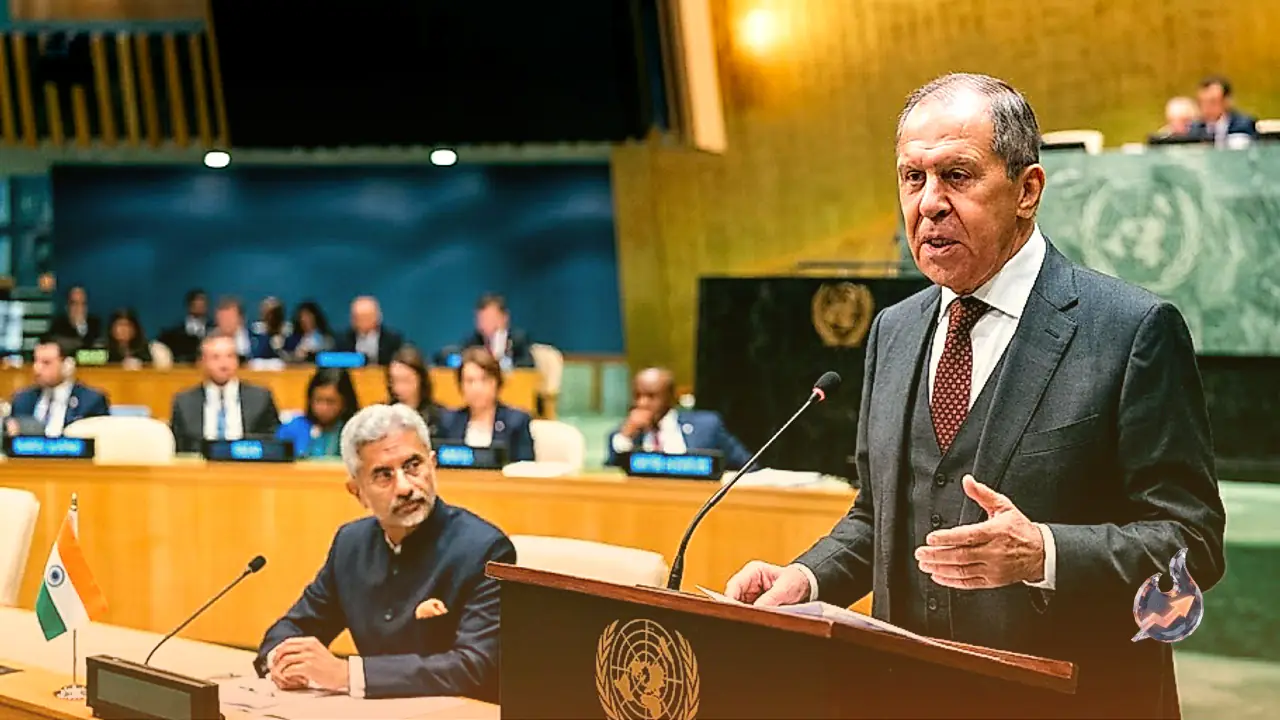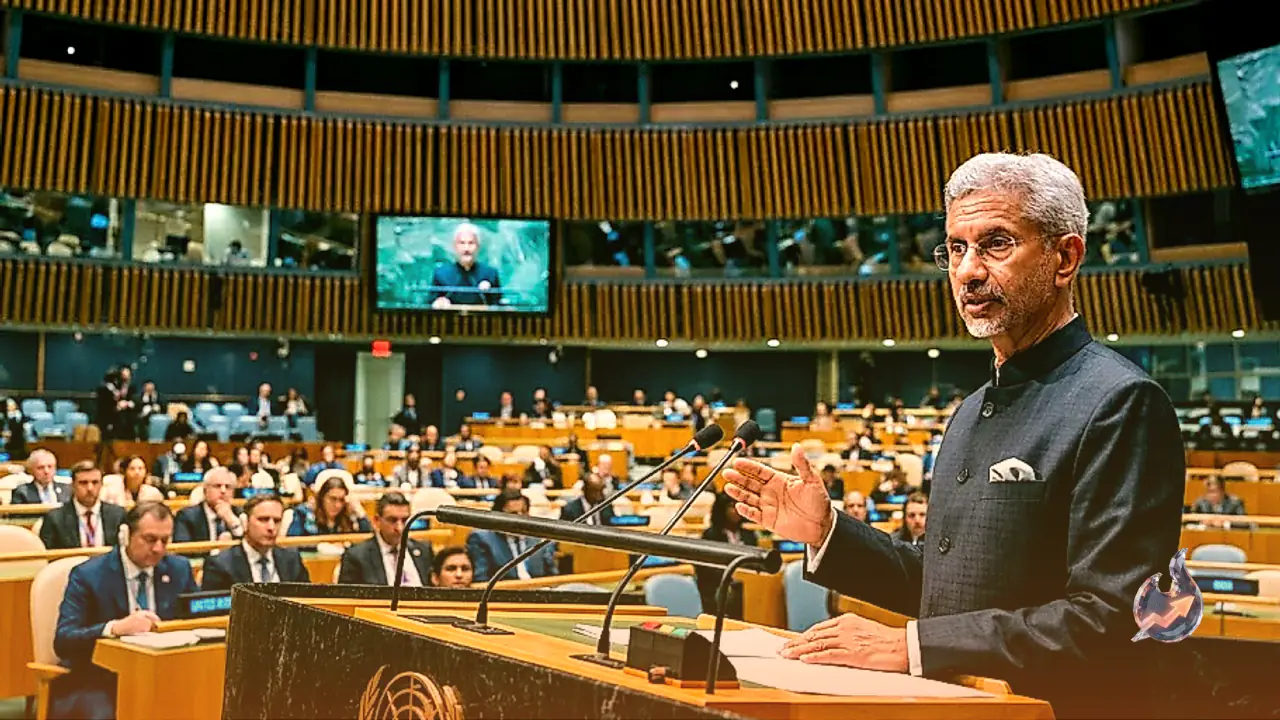

























A major ideological conflict has erupted at the United Nations over the future direction, regulation, and ultimate control of Artificial Intelligence (AI). Numerous countries have voiced deep apprehensions that the oversight of this transformative technology remains concentrated within a select group of wealthy nations, their governments, and a handful of colossal global technology corporations. Developing and less wealthy nations argue that if this massive imbalance is not corrected swiftly, it will lead to a dangerous new form of digital divide and systemic economic disparity worldwide. India has strongly championed the right of every sovereign nation to develop its own customized AI models. During this crucial session of the United Nations General Assembly, the debate transcended mere technical development, touching upon core issues of national sovereignty, resource exploitation, and representation in global decision-making bodies.
India's Stance: Sovereign AI and Safeguarding Diversity
During his address at the annual session of the United Nations General Assembly, India's External Affairs Minister, S. Jaishankar, firmly presented the nation's perspective on the global stage. He emphasized that AI technology is a highly potent force capable of empowering societies and opening new pathways for global economic prosperity. He noted that this technology could serve as a transformative force for human progress, provided its benefits are shared equitably across the globe. However, the Indian External Affairs Minister also warned the international community about the potential misuses and inherent risks associated with unregulated technology.
S. Jaishankar cautioned that if AI is deployed in an unchecked and unethical manner, it could exacerbate existing biases and undermine the mutual respect that exists between different societies and nations. India holds the firm belief that every sovereign country must have the absolute freedom to build and deploy its own AI models tailored to its unique cultural context, national priorities, and localized needs. His remarks come amidst a deepening global discourse regarding who holds the authority to write the rulebook for this technology and whether developing countries will be granted a meaningful role in shaping the future of this technological revolution.
Data Centers vs. Intellectual Control: Malaysia's Warning
Malaysia's Foreign Minister, Mohamad Hasan, adopted a highly critical stance during the deliberations. He warned against relegating developing nations to mere physical hubs for data storage and processing. He made it clear that the Global South cannot simply be treated as a convenient location for hosting data centers and other supporting infrastructure while the core strategic decisions and regulatory controls remain concentrated within the headquarters of Western governments and multinational technology giants.
Addressing the assembly, Malaysian Foreign Minister Mohamad Hasan stated, "Global South cannot simply be a place to host data centers while decisions on AI are made elsewhere." He expressed deep concern that developing nations are being treated as mere consumers and markets. He demanded that these nations be recognized as equal partners in the actual research, development, and design of new technologies. Furthermore, Mohamad Hasan drew attention to a crucial practical challenge. He pointed out that operating massive data centers requires vast quantities of clean water, immense electrical power, and prime land. If the ecological and physical burden of hosting these resources falls on the developing nations, then the primary economic benefits must also be shared locally rather than flowing almost exclusively back to foreign corporate entities. Today, a few private corporations wield unprecedented influence over how billions of people communicate, work, transact, and access information, posing a profound challenge to global democratic structures.
Monopoly and Regulatory Gaps: Germany and Belize's Concerns
Representing Europe, Germany also raised concerns about the extreme concentration of ownership in the AI sector. Germany's Foreign Minister, Johann Wadephul, pointed out that the vast majority of international patents and intellectual property rights related to AI are held by corporations based in just two major countries. He argued that when power becomes global in scale, the responsibility to regulate it must also be shared globally. Johann Wadephul urged nations to establish a unified, international safety framework to govern the most advanced and powerful AI models. He warned that the pace of technological development is far outstripping the speed at which multilateral institutions can draft policies.
Johann Wadephul warned that "AI is not waiting for our institutions to catch up." He emphasized that international organizations must urgently accelerate their processes to match the rapidly evolving technological reality. Meanwhile, Belize's Prime Minister, John Briceño, highlighted that if AI is governed by balanced regulations, it has the potential to drastically improve public services and make education and information more accessible to all. Conversely, a lack of proper regulation could widen global inequality, expose critical infrastructure to severe security risks, displace jobs on a massive scale, and leave developing nations entirely dependent on foreign technologies and legal frameworks designed without their participation. He remarked that local national laws are insufficient to govern a technology that operates completely across borders.
Global Infrastructure and Human Control: Singapore, Saudi Arabia, and Cameroon
Singapore's Foreign Minister, Vivian Balakrishnan, described this historic technological transition as the most significant and defining challenge of the modern era. He urged governments around the world to invest heavily in scientific research, digital infrastructure, and human skills development. Additionally, he emphasized the critical importance of designing robust safety protocols and guardrails to ensure that ultimate control over AI systems remains firmly in human hands.
In the same vein, Saudi Arabia shared details of its efforts to establish a network of international centers aimed at building AI capabilities globally. They highlighted the establishment of the AI Research and Ethics Center in Riyadh as part of their commitment to developing ethical standards. Meanwhile, Cameroon strongly advocated that the benefits of technological progress must serve all of humanity rather than being restricted to a privileged few. Cameroon linked the issue of technological access to broader demands for reforming the global financial system, aiming to provide developing countries with a level playing field to grow economically and technologically.
The Global Digital Compact: The Challenge of Enforcing Rules
At the heart of this global discourse was the historic Global Digital Compact adopted by the United Nations in 2024. The primary objective of this agreement is to bridge the digital divide, foster international cooperation, and construct a safe, human-centric digital future that fully respects human rights. However, despite this agreement, a significant hurdle remains for global leaders. The challenge lies in translating these high-level principles and ethical guidelines into concrete, legally binding regulations that can actually be enforced on the ground. The divide between wealthy and developing nations is not merely about technology but about who will run the future global order, a question that will require extensive and complex diplomatic efforts to resolve.