



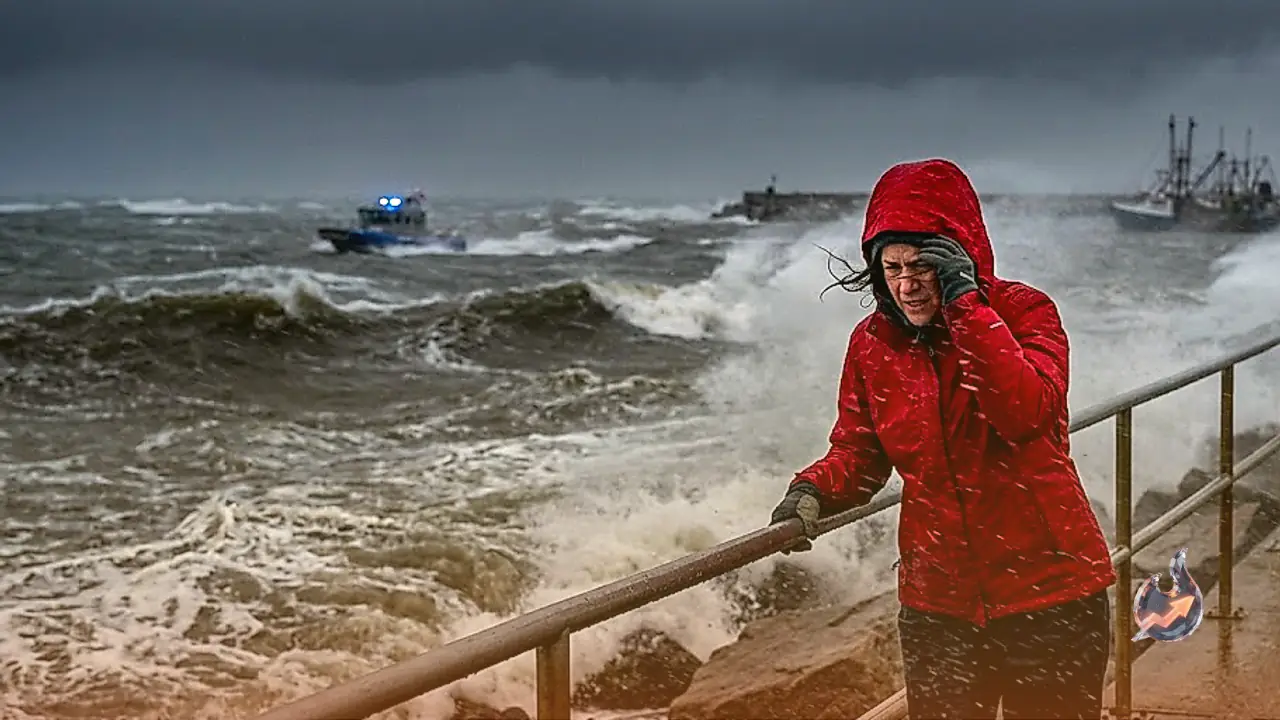


















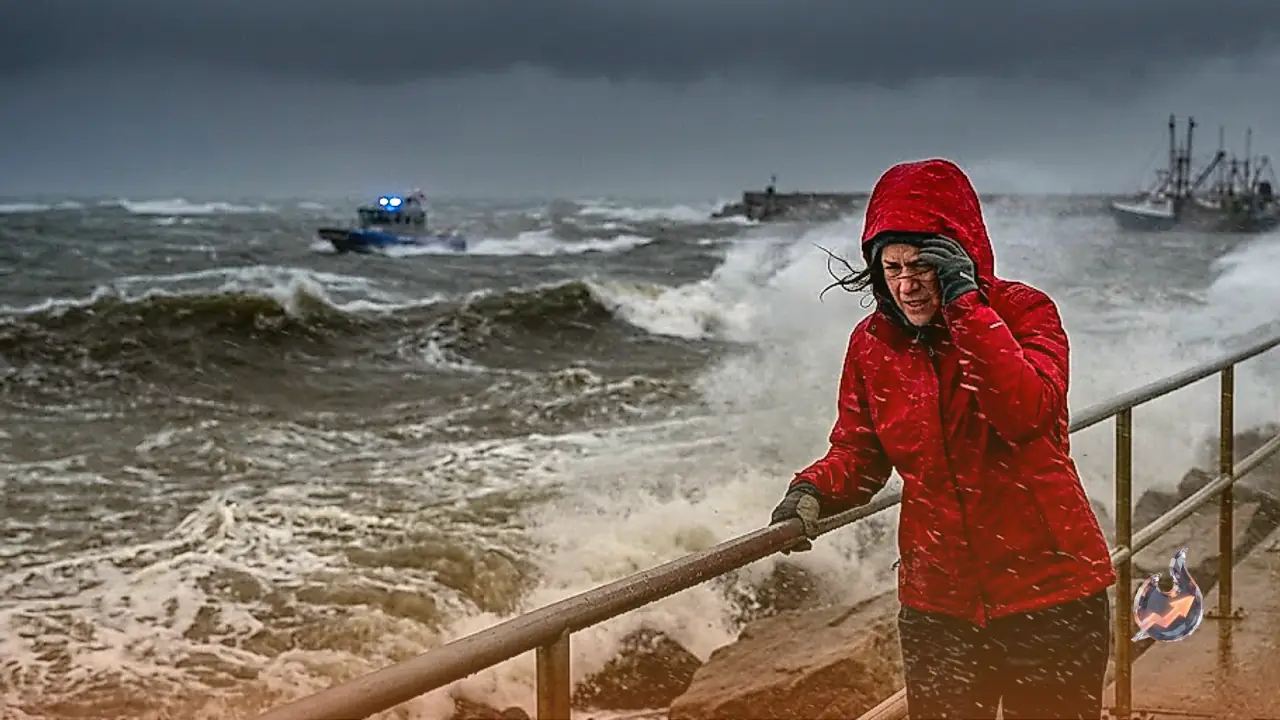

Atmospheric conditions have deteriorated sharply as a severe and unusual weather system surges rapidly toward densely populated regions. More than forty million people are currently preparing themselves to face the full force of this natural fury. Wind gusts exceeding one hundred kilometers per hour, accompanied by torrential downpours, threaten to trigger widespread devastation, including uprooted utility poles, flooded roadways, and substantial structural damage. The situation has grown so critical that public gatherings, festivals, and numerous flight operations had to be called off at the eleventh hour.
Understanding the Nor'easter and Its Triple Threat
The epicenter of this destructive threat looms over the northeastern sector of the United States. Residents across some of the busiest and most densely populated metropolitan hubs in the world, including New York, Boston, and Philadelphia, find themselves squarely in the path of this potent tempest. Weather authorities have designated this unique and highly hazardous seasonal storm as a Nor'easter. With the system's trajectory bringing it dangerously close to urban landscapes, high alerts have been declared all along the eastern seaboard, placing emergency services on maximum readiness.
According to meteorological reports, this storm differs significantly from typical weather fronts and poses a far greater danger. It earns the designation Nor'easter because intense winds sweep in from the northeast with exceptional velocity. As the system makes landfall along the coast, it brings three primary hazards
- Winds Exceeding 100 MPH: The gale-force winds will possess enough velocity to snap massive trees and tear down utility poles as though they were made of paper.
- Power Grid Failures: Widespread snapping of lines and poles could plunge hundreds of thousands of households into simultaneous darkness, leaving communities stranded without electricity.
- Coastal Flooding Risks: Severe winds are driving towering ocean surges, threatening to swamp coastal neighborhoods and low-lying urban streets in sudden flash floods.
Concerts and Major Festivals Grounded
In view of the storm's severity, prominent events planned months in advance have been summarily called off. The biggest disappointment has struck fans of renowned British pop artist Ed Sheeran, whose major concert near Boston this weekend was canceled due to safety considerations.
Furthermore, New York's prominent Global Citizen Festival and Maryland's Oceans Calling Festival have both been brought to a halt. Event organizers explicitly stated that placing thousands of spectators at risk amidst gale-force winds and driving rain was out of the question.
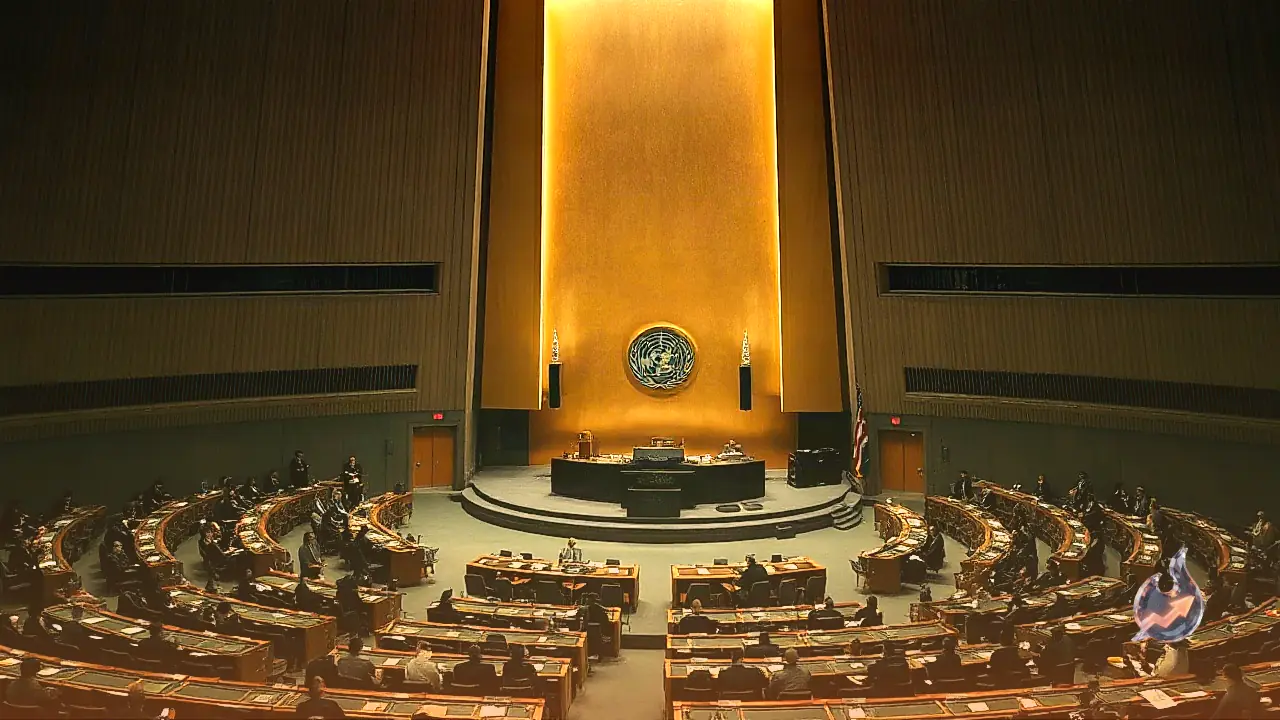
Remarkably, even the United Nations headquarters in New York experienced considerable disruption due to the advancing tempest. Top international leaders had gathered at the venue this week for high-level meetings. In light of the escalating wind hazards, UN administration instructed external media crews to immediately dismantle their heavy broadcasting and filming equipment to prevent any accidents caused by airborne debris.
Flight Disruptions and Airline Travel Advisories
Travelers navigating the skies are encountering an exceptionally frustrating weekend. The Federal Aviation Administration has issued strict warnings urging passengers not to leave for terminals without checking their flight statuses. Due to adverse weather conditions, numerous flights face rolling delays or complete cancellations.
Responding to deteriorating conditions, three of the nation's largest carriers, JetBlue, United, and American Airlines, issued specialized travel advisories. Offering some relief to affected passengers, the airlines announced that individuals could reschedule their flight dates without incurring any extra charges or penalties.
Mayor's Emotional Appeal to Citizens
The storm's path has moved significantly closer to New York City than initially anticipated, prompting New York City Mayor Zohran Mamdani to issue a direct appeal for heightened vigilance.
Taking to social media, the mayor advised anyone planning travel this weekend to factor in substantial extra time. Checking the operating status of trains, buses, ferries, and flights is deemed essential. He further cautioned drivers against operating vehicles on low-lying streets during periods of high coastal tides. Additionally, he urged city residents to check up on elderly neighbors and community members during the difficult hours ahead.
A Month Worth of Rain in Hours
Meteorological projections indicate that areas such as Massachusetts and Boston could receive up to five inches of rainfall. This volume of precipitation far exceeds what those regions typically record across an entire normal month, meaning a month's worth of water is set to inundate roadways within a matter of hours.
Prior to the storm's arrival, various coastal zones in North Carolina, Virginia, Maryland, Delaware, and New Jersey already reported localized flooding earlier in the week. The full impact of this new weather system threatens to worsen conditions exponentially.
Historical Context of Nor'easters
Although Nor'easters can develop at any time during the year, they typically unleash their most destructive power between late autumn and early spring. Whenever these storms materialize, they deliver a combination of heavy precipitation, severe snowfall, and damaging gale-force winds.
Earlier this current year, a comparable storm struck the region, grounding hundreds of flights and cutting off power to thousands of homes for weeks at a time. That event followed closely on the heels of another severe winter storm weeks prior.