

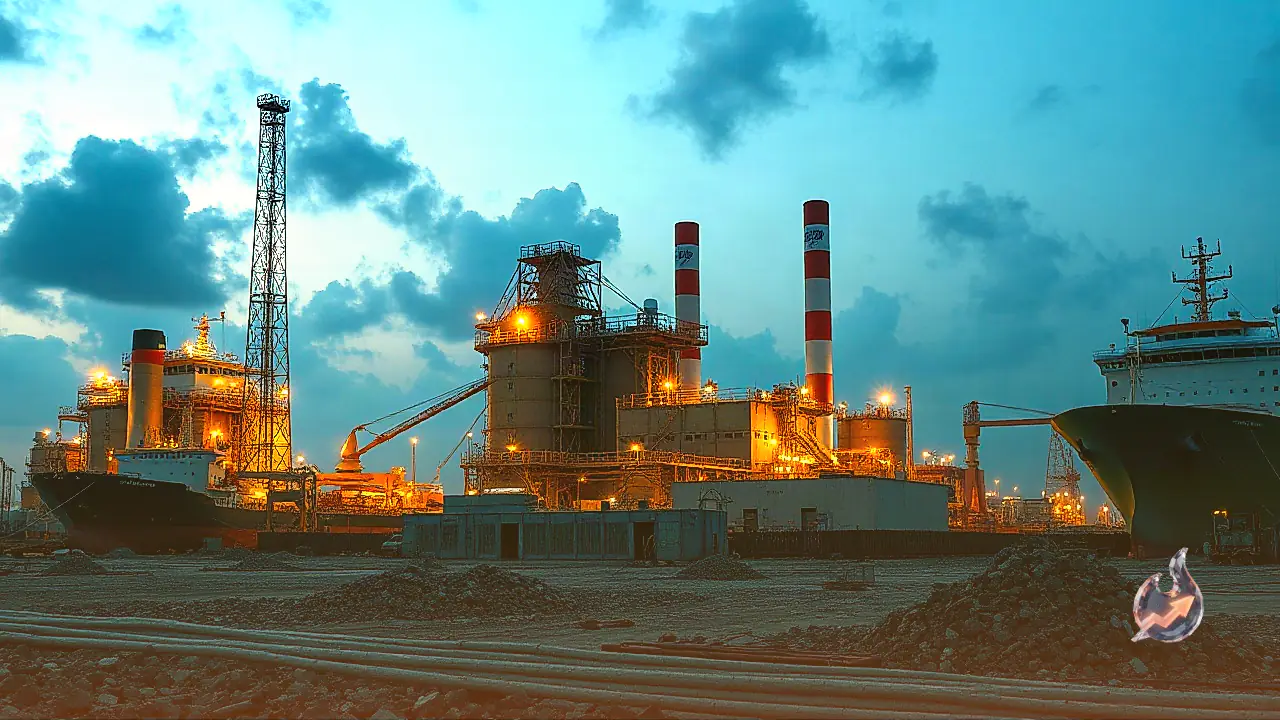





















In a significant move toward decarbonizing the global maritime transportation sector, India has taken a major step by initiating the construction of its first-ever port-based e-methanol production facility. The foundation stone for this ambitious project was laid in Kandla in Gujarat, representing a massive investment of Rs 2,300 crore. Developed as a joint venture between the Deendayal Port Authority (DPA) and Assam Petro-Chemicals Limited (APCL), this green fuel facility is designed with a daily capacity of 150 tonnes. The plant is set to play a pivotal role in supplying eco-friendly fuel to international cargo ships traveling along the highly busy Asia-Europe trade route, aiding global shipping in lowering its carbon footprint.
Phased Implementation and Financial Investment
The green fuel plant is planned to be established in a phased manner using expandable modules to systematically upscale output. During the initial phase of the project, a capital expenditure of Rs 1,200 crore will be deployed to establish a daily manufacturing capacity of 50 tonnes. This first stage of development has a target completion date set for January 2027. Following the successful completion of the opening phase, the project will immediately progress to its second phase, which involves an additional capital injection of Rs 1,100 crore. The second stage aims to add another 100 tonnes per day of capacity, with a scheduled completion deadline of March 2027. Together, both phases bring the cumulative investment in this pioneering clean energy facility to Rs 2,300 crore.
Foundation Stone Laid by Union Minister Sarbananda Sonowal
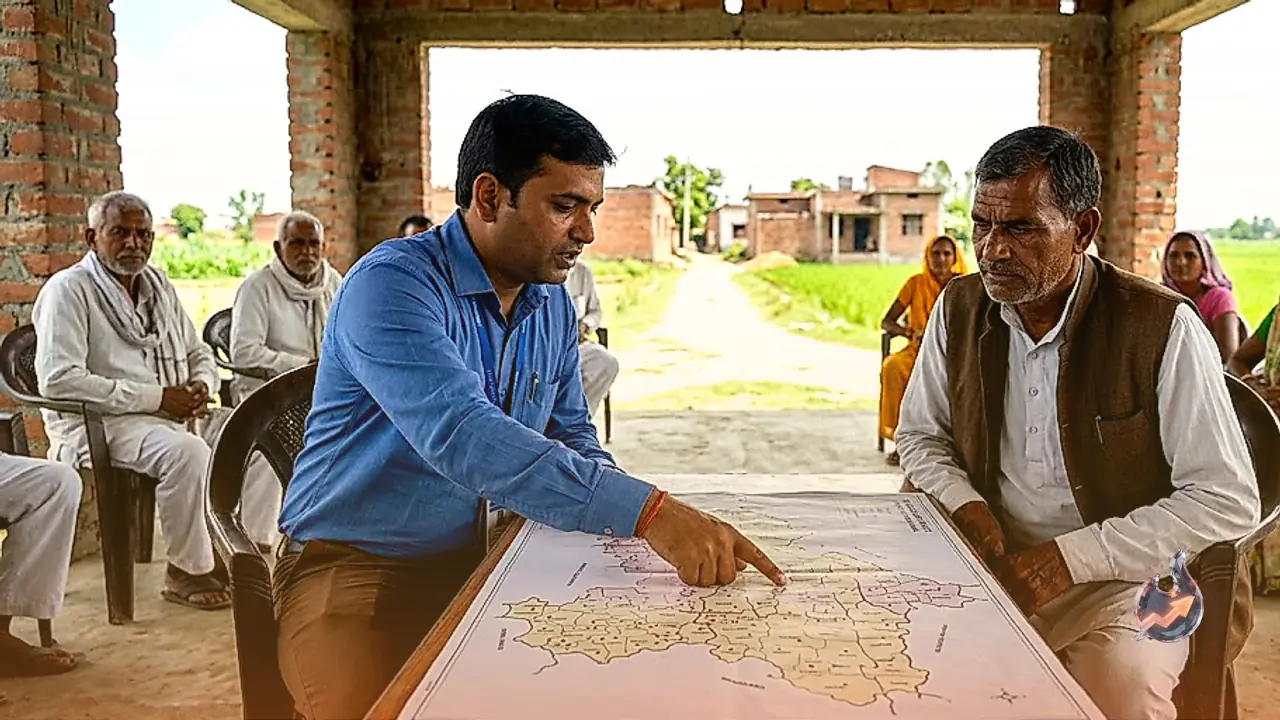
The foundation stone for the port-based e-methanol plant was officially laid on Saturday during a prominent event. Union Minister for Ports, Shipping and Waterways Sarbananda Sonowal addressed the gathering from Gandhinagar in Gujarat, highlighting India's rising prominence as a major maritime power. He emphasized that the country is aggressively transitioning toward powering global shipping fleets with sustainable, green energy. The high-profile ceremony was also attended by Gujarat Chief Minister Bhupendra Patel and Assam Chief Minister Himanta Biswa Sarma, showcasing strong cooperative federalism and collaborative industrial development between the two states.
Eco-Friendly Manufacturing Process and Technologies
According to an official release, the facility will utilize cutting-edge technology to produce e-methanol with a 150-tonne daily output. The production process relies entirely on renewable energy, water, and biogenic carbon dioxide (CO2) extracted from organic sources, ensuring that the fuel produced is deeply sustainable. Speaking on the occasion, Assam Chief Minister Himanta Biswa Sarma highlighted Assam's historically rich contributions to India's petroleum and energy landscape. He noted that as the global energy sector pivots toward sustainability, Assam continues to play a vital and evolving role in the country's transition to a green economy.
Rising Capabilities of Assam's Public Sector Enterprises
In a statement issued by the Assam Chief Minister's Office, the project was described as a massive milestone for the state's industrial footprint outside its geographic boundaries. It serves as a clear indicator of the expanding capabilities and technical expertise of Assam's public sector undertakings (PSUs) within the emerging global green economy. By building this port-based plant in Gujarat, the collaborating entities are not only contributing to a sustainable future for international trade but are also setting a successful benchmark for interstate economic cooperation in clean energy production.