





















Critical infrastructure across the United States has come under severe strain following a coordinated wave of cyber intrusions targeting municipal water and wastewater facilities in at least seven states. The sudden security breaches forced utility operators to disconnect automated management systems and rely on manual controls to prevent potentially catastrophic contamination of public drinking supplies. Despite security experts pointing to foreign cyber actors, President Donald Trump has publicly dismissed suspicions regarding Iran's involvement, choosing instead to fault local state leadership for structural vulnerabilities.
Infrastructure Intrusions Originate in Minnesota
The cyber campaign first surfaced between July 26 and July 27, when security monitors in Minnesota identified unauthorized digital intrusions across more than 30 community water systems. IT specialists at Minnesota IT Services discovered that external actors had successfully breached administrative barriers, attempting to gain direct control over vital municipal water networks. Within days, similar operational disruptions were reported across multiple facilities in seven different states, prompting an emergency response from major federal security institutions.
Recognizing the national security implications of compromised utility networks, the Federal Bureau of Investigation (FBI), the Cybersecurity and Infrastructure Security Agency (CISA), and the Environmental Protection Agency (EPA) launched joint investigative operations. Federal teams immediately began auditing compromised facility logs to determine the full scope of the breach and isolate affected control systems before wider damage could occur.
Exploitation of Industrial Controllers and Security Vulnerabilities
Technical assessments revealed that the attackers targeted industrial hardware known as Programmable Logic Controllers (PLCs). These digital components serve as the operational backbone of modern water treatment facilities, regulating essential functions such as water pressure maintenance, valve operations, heavy pump cycles, and chemical dosage ratios. Gaining control over PLCs enables attackers to halt distribution completely or alter chemical balances, creating severe health hazards for entire cities.
Investigative memorandums indicate that the primary objective behind the intrusions was to disrupt water pressure and introduce contaminants into municipal distribution networks. Surprisingly, the adversaries did not rely on highly sophisticated zero-day exploits. Instead, they identified utility control units that were directly exposed to the public internet without adequate firewall protection and secured only by weak or un-updated passwords.
Minnesota Chief Information Security Officer John Israel warned that threat actors are actively scanning national infrastructure networks, systematically testing for unguarded access points and exploiting lax defensive posture wherever found. Minnesota IT Services spokesperson Emily Zimmer noted that the methodology deployed in these intrusions mirrors previous critical infrastructure attacks documented by federal law enforcement partners. Had on-site technicians not acted swiftly to override digital systems and resume physical manual operations, multiple metropolitan centers could have faced total drinking water cutoffs.
Presidential Remarks Sparks Political Debate
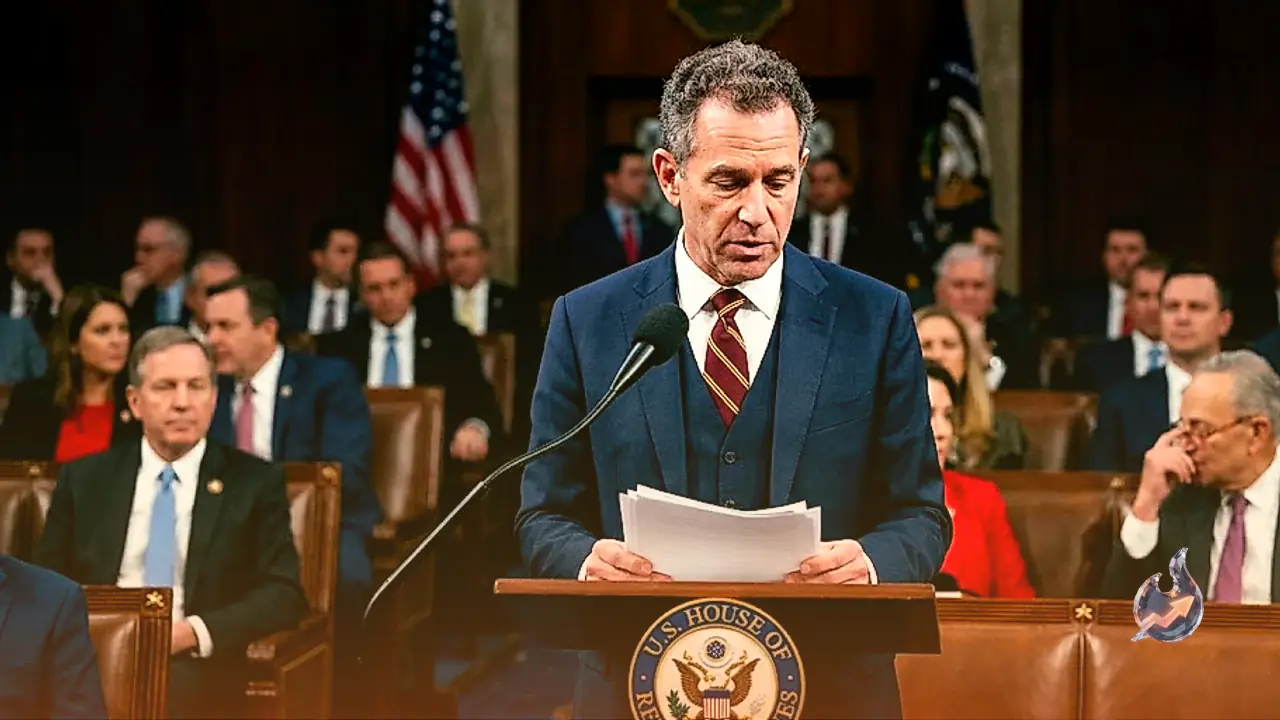
Although federal intelligence investigators noted that the attack signatures closely aligned with known operational patterns of Iranian threat groups, President Donald Trump took a drastically different stance during a cabinet meeting. Rather than attributing the cyber campaign to foreign state-sponsored entities, President Trump placed blame squarely on state governance and political opponents.
Addressing cabinet members, President Trump asserted that he did not believe Iranian forces were behind the breaches affecting 30 Minnesota water plants, attributing the security failures to incompetent local administration and Governor Tim Walz. He further claimed that foreign adversaries like Iran were preoccupied with far larger geopolitical matters than targeting local water facilities in Minnesota. The statement created immediate friction between federal leadership and state officials investigating the cyber incidents.
State Counter-Response and Operational Safeguards
Minnesota Governor Tim Walz pushed back against the president's statements, stating that federal leadership was fully aware of the threat actors behind the attack but was refusing to confront the reality of foreign cyber aggression. Governor Walz emphasized that state cyber defense teams and utility workers acted with urgency to protect public safety while federal leadership minimized foreign involvement.
Utility providers across affected states continue to maintain heightened security protocols, conducting comprehensive audits of internet-connected industrial devices to eliminate exposed access points. Federal security agencies have urged all critical infrastructure operators nationwide to implement robust multi-factor authentication, isolate industrial control systems from commercial internet traffic, and maintain ready manual backup procedures to mitigate ongoing cyber risks.