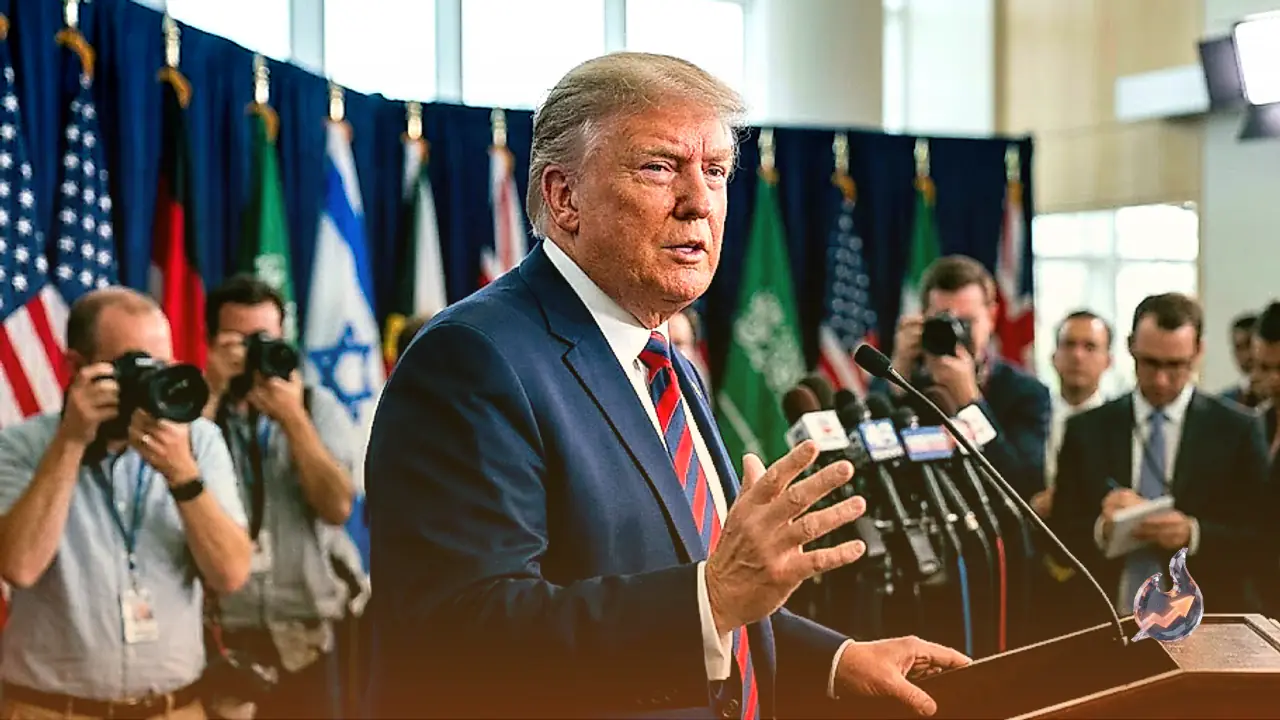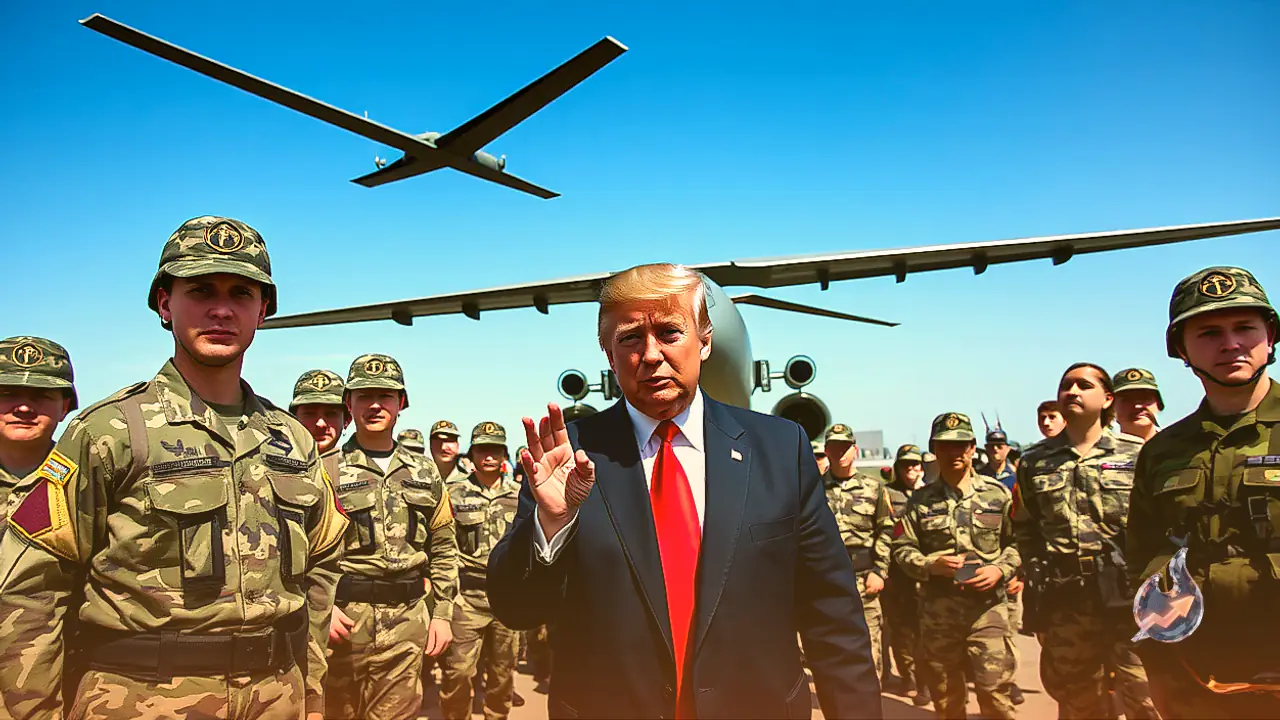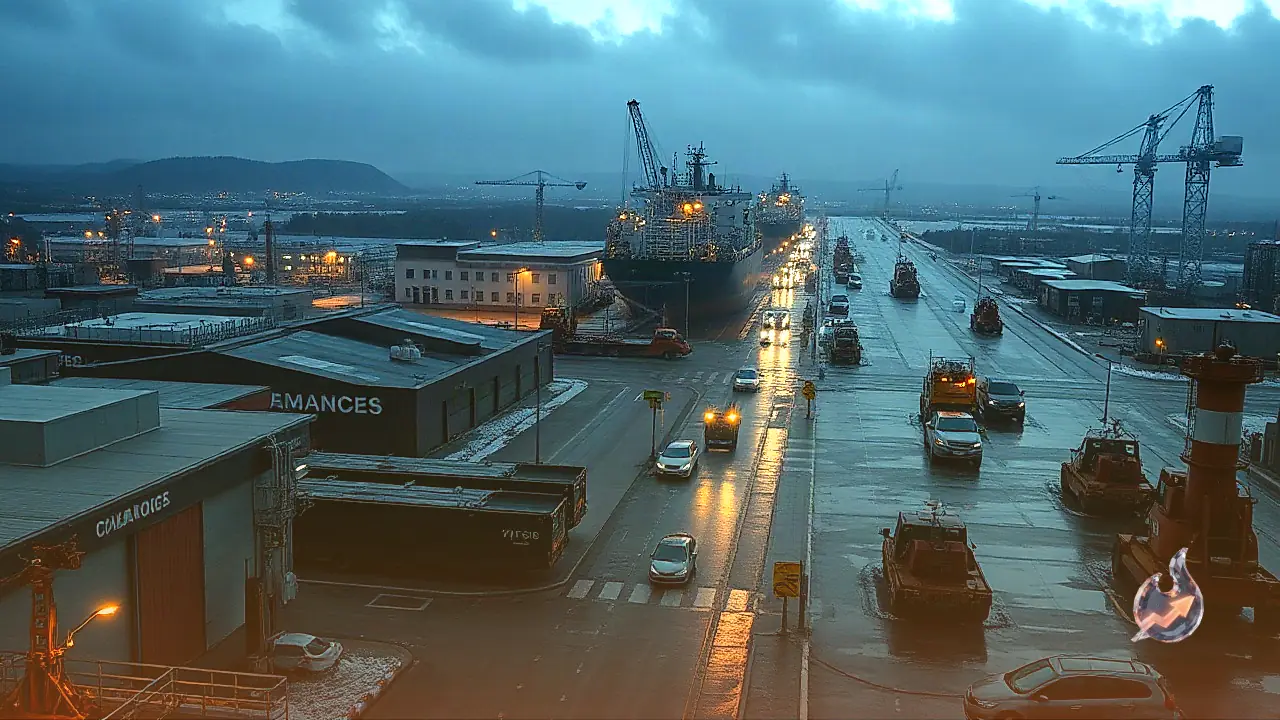





















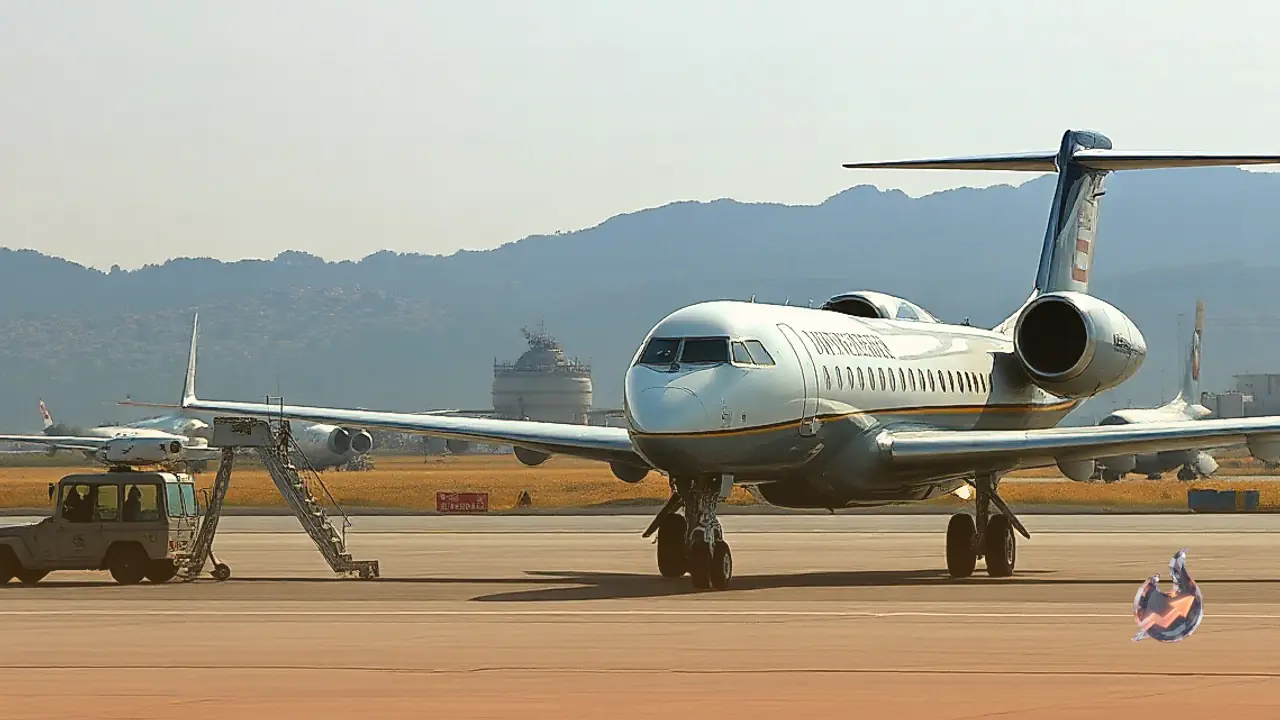

A severe security emergency led to an urgent flight protocol change for US President Donald Trump during the final stage of his diplomatic visit to Turkey for a NATO summit. Amid sensitive intelligence reports indicating a direct threat from shoulder-fired anti-aircraft missiles, the US Secret Service carried out an emergency plan to safeguard the president. Rather than utilizing the highly recognizable primary presidential aircraft, Air Force One, security directors made the critical decision to transfer Donald Trump into a significantly smaller military jet, C-32A. This covert substitution was executed at an airport in Ankara under strict operational confidentiality to shield the commander-in-chief from potential ground-based missile attacks.
Rising Regional Tensions and High Alert in Ankara
The intelligence warning emerged on the concluding day of President Donald Trump's stay in the Turkish capital city of Ankara, where he was attending high-level discussions at the NATO summit. The security backdrop was marked by exceptionally intense diplomatic and military friction between the United States and Iran, which elevated the overall risk profile for American leadership abroad. Security agencies received immediate warning signals suggesting that hostile actors might attempt to target the primary presidential aircraft using shoulder-fired missile systems. Recognizing the severity and immediacy of the threat, Secret Service officers were left with an extremely narrow window of time to organize an effective evacuation strategy.
Covert Food Truck Transport and Aircraft Separation Strategy
On July 8, prior to departing from Turkish airspace, President Donald Trump and a select group of key advisers secretly authorized the switch from Air Force One to a smaller C-32A aircraft. To move the president across the tarmac without drawing attention or signaling the aircraft swap, security details employed a food service catering truck as a cover vehicle. Trump was quietly boarded onto the C-32A jet, while Air Force One was prepared for a separate departure. Air Force One took off as scheduled carrying senior US government officials, White House administrative staff, and accredited news journalists, effectively serving as a high-visibility decoy while the president traveled safely on the secondary transport plane.
Evaluating the Threat Intent and Donald Trump's Public Remarks
Subsequent evaluations of the event indicated that while law enforcement agencies did not intercept a fully fleshed-out tactical strike plan, clear indicators had been detected revealing an explicit intent to target Donald Trump. Based on this risk assessment, security directors permitted both planes to proceed with their transit routes back to the United States while separating the president from his usual command aircraft. Speaking publicly on Tuesday, Donald Trump confirmed the Secret Service recommendation to swap planes. He noted that in his personal view, the smaller aircraft he ultimately flew in carried a higher degree of danger, suggesting that potential adversaries would likely exert greater effort toward striking the plane carrying the president.