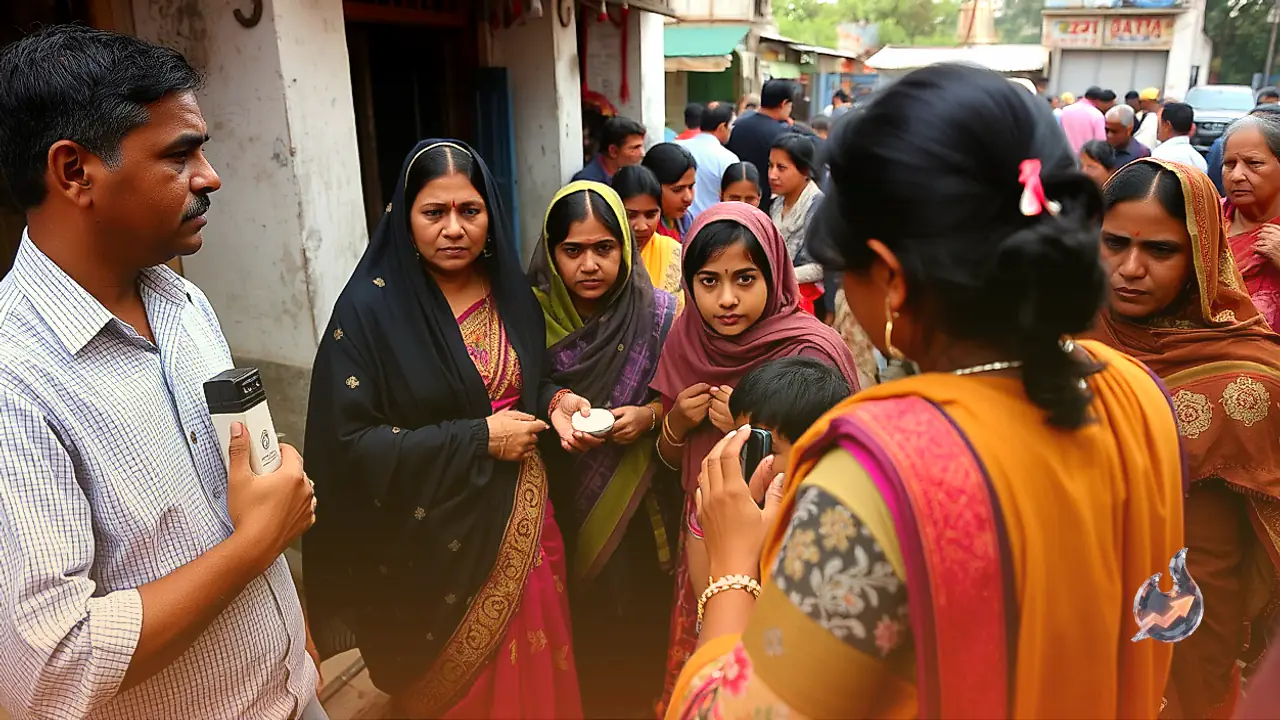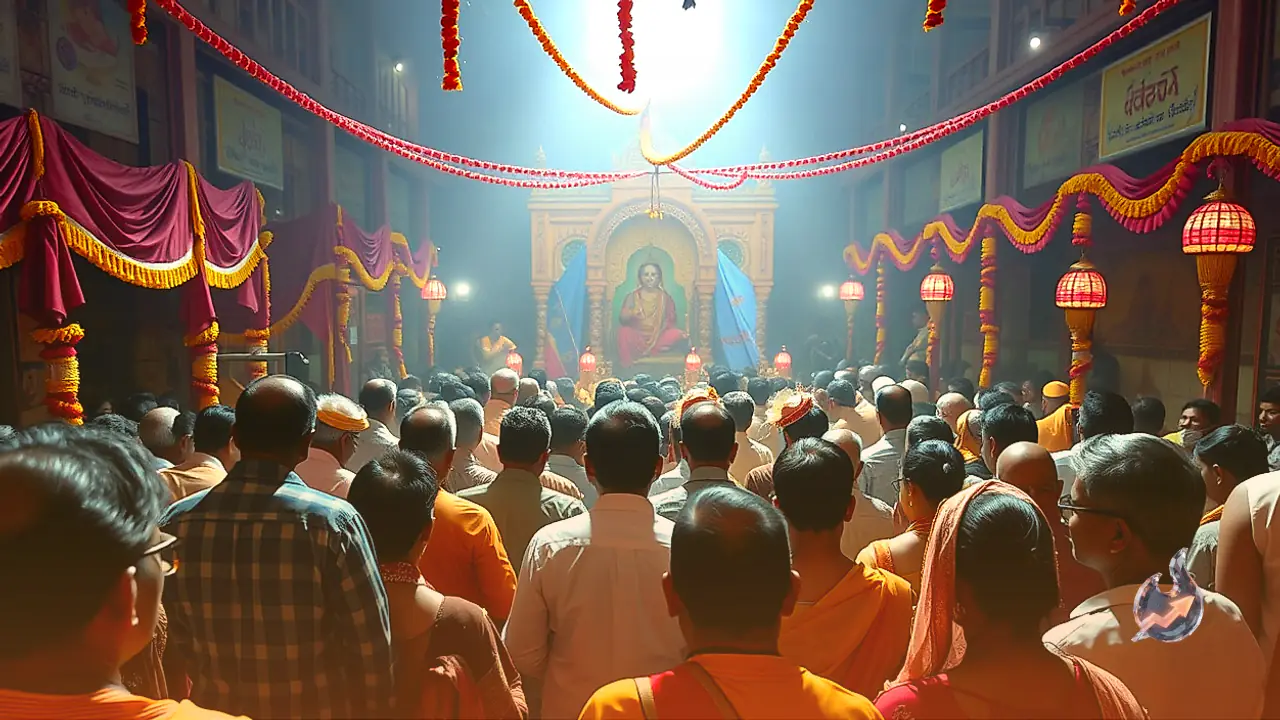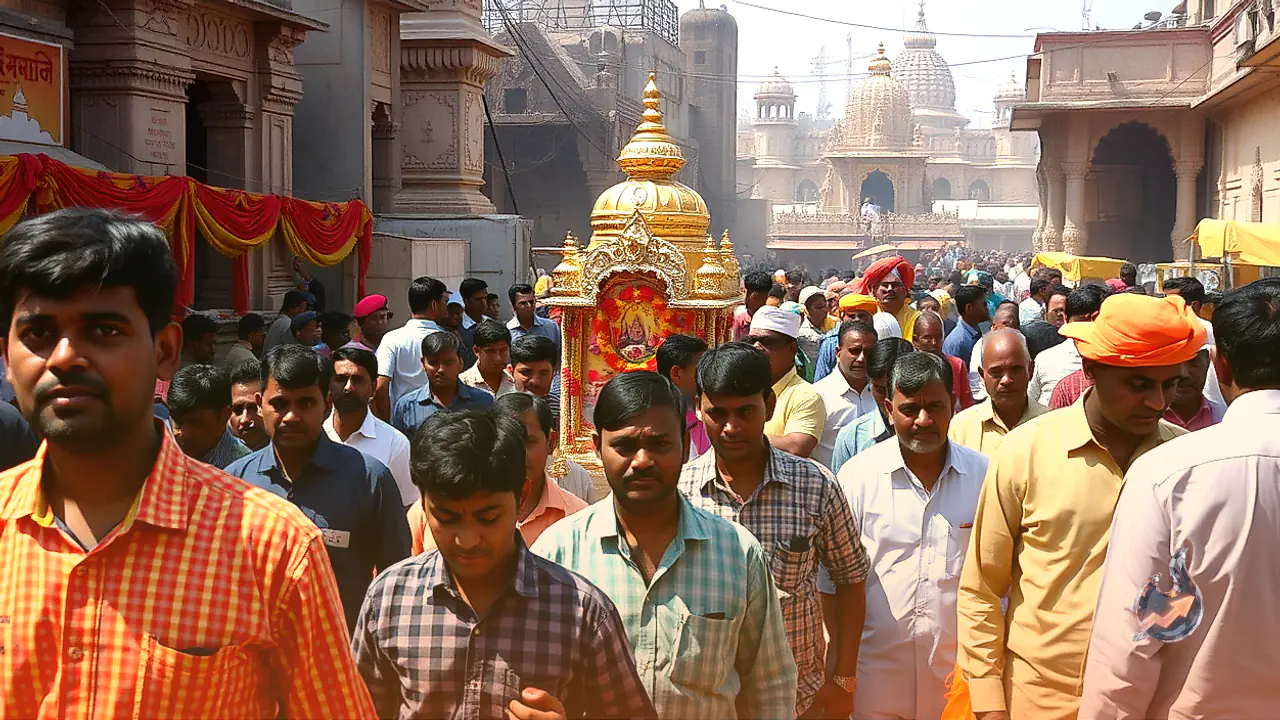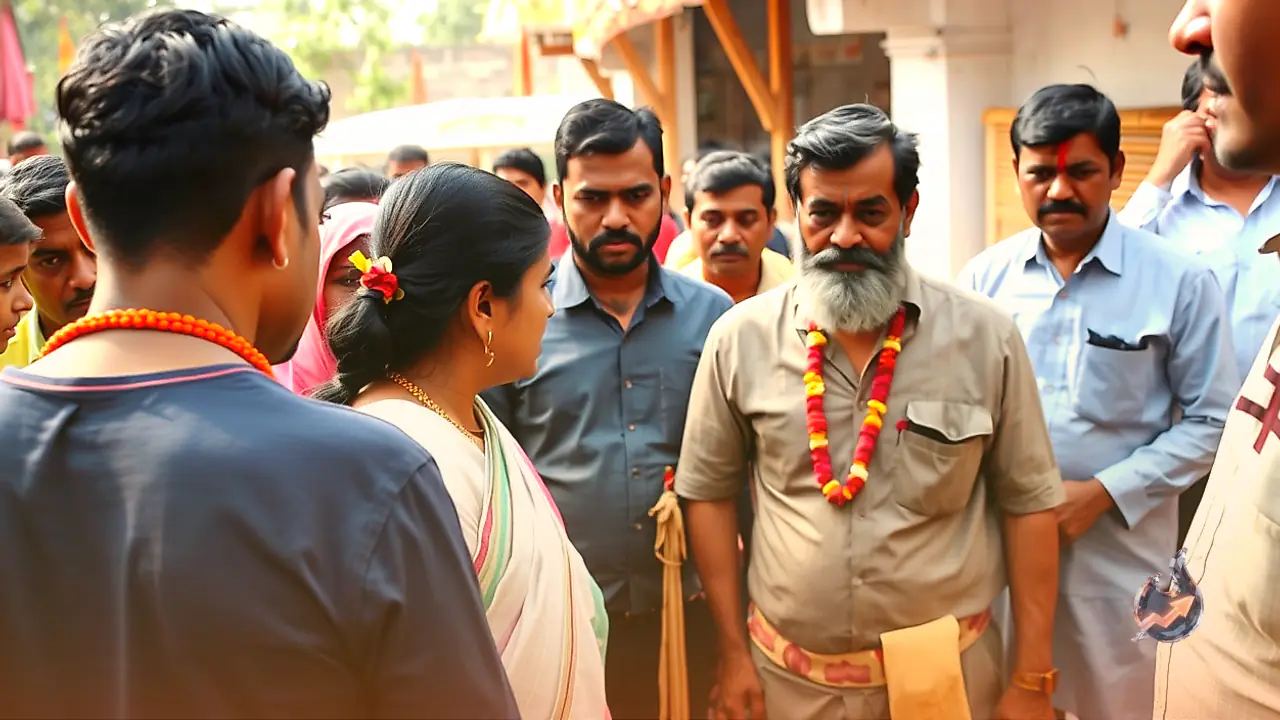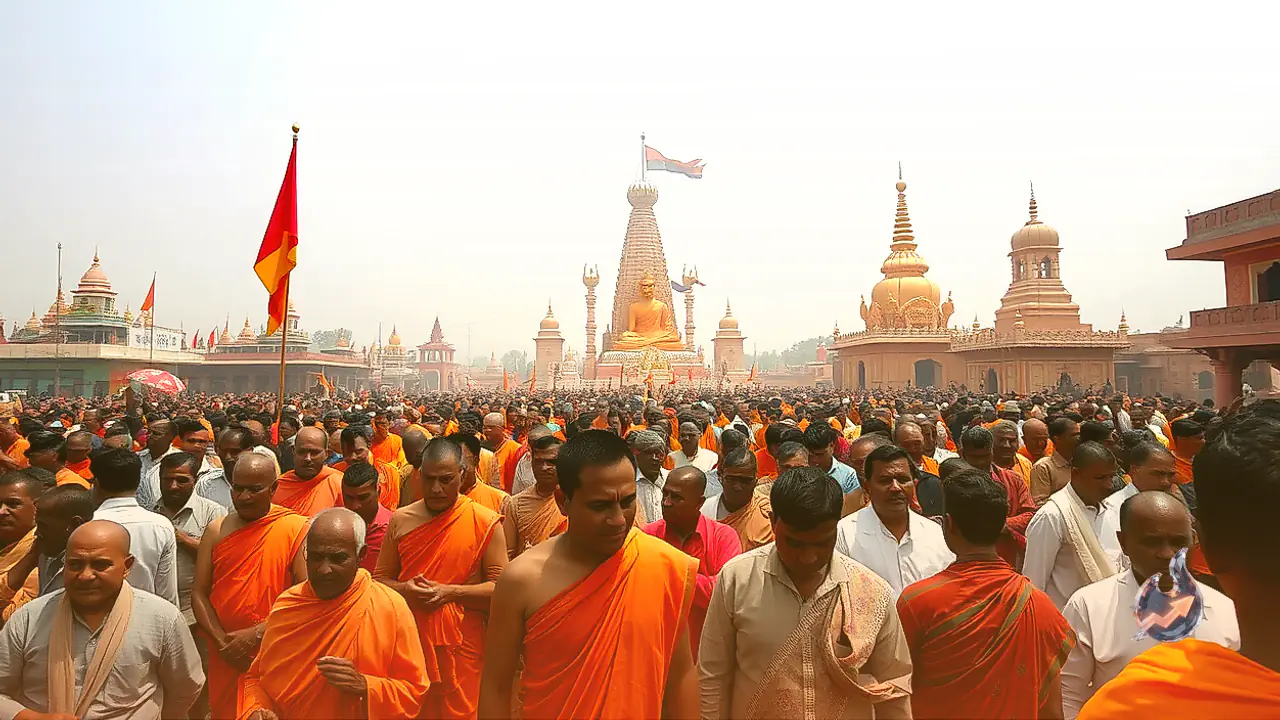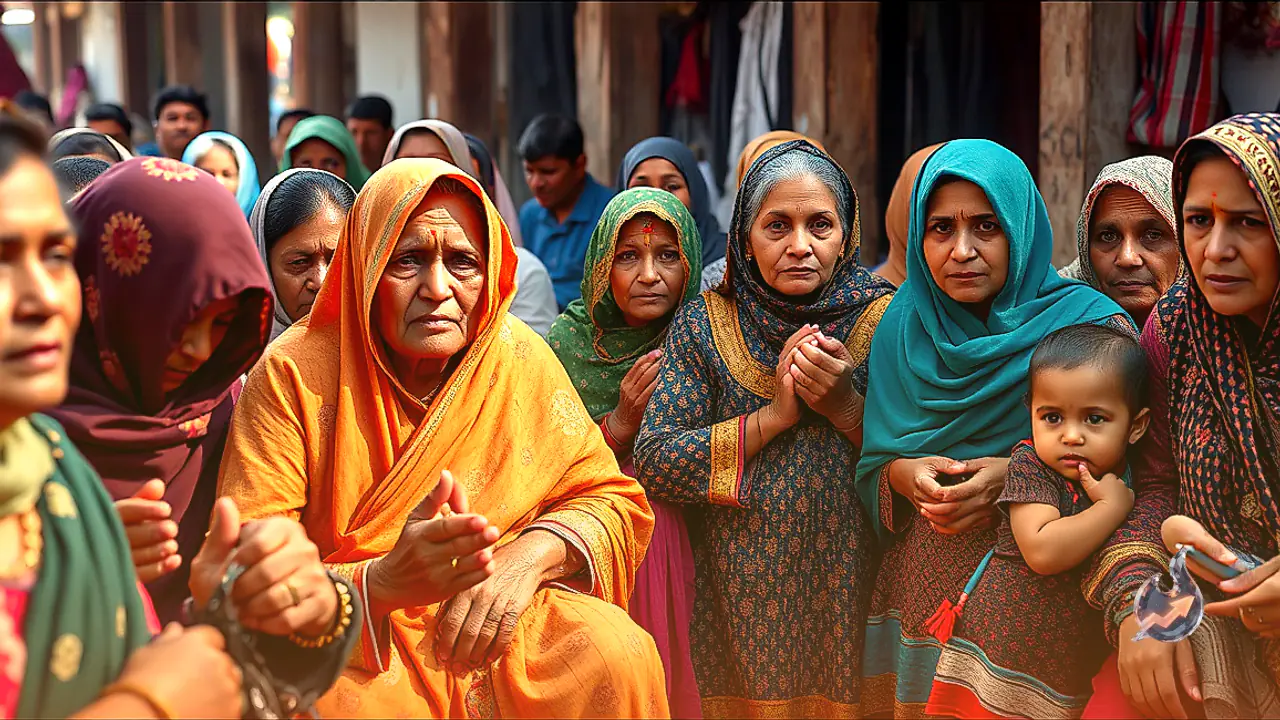




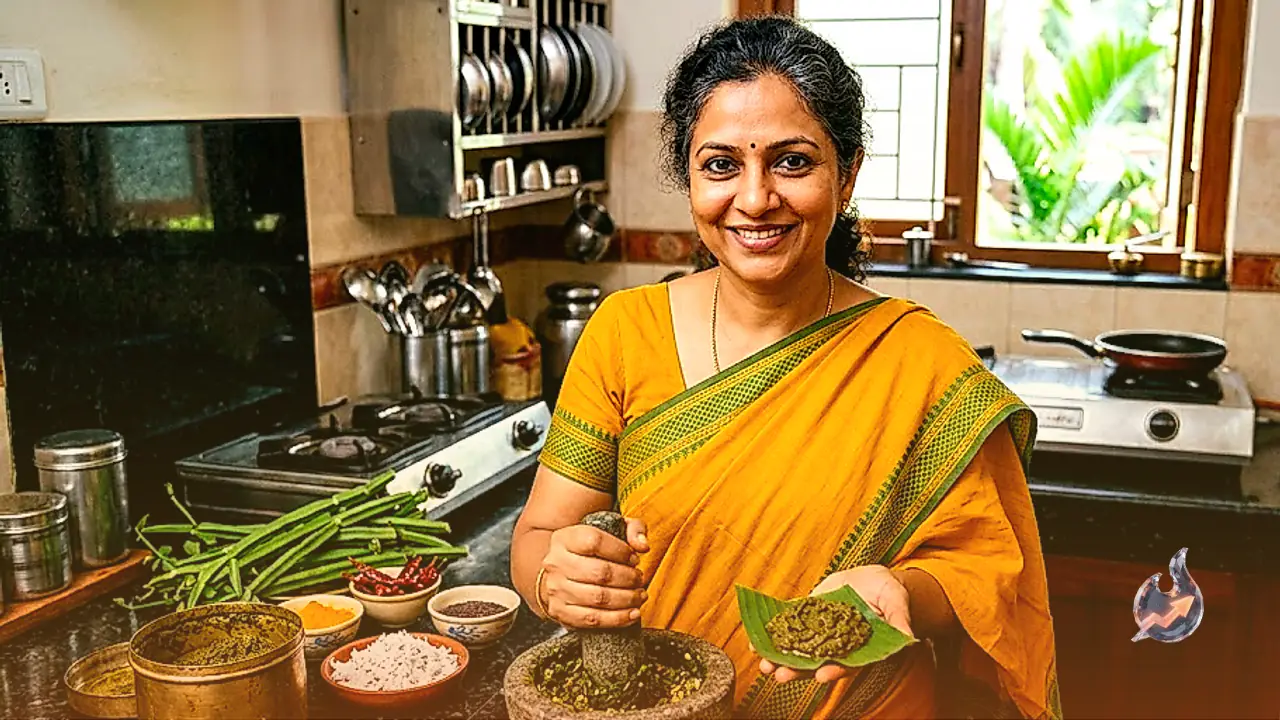
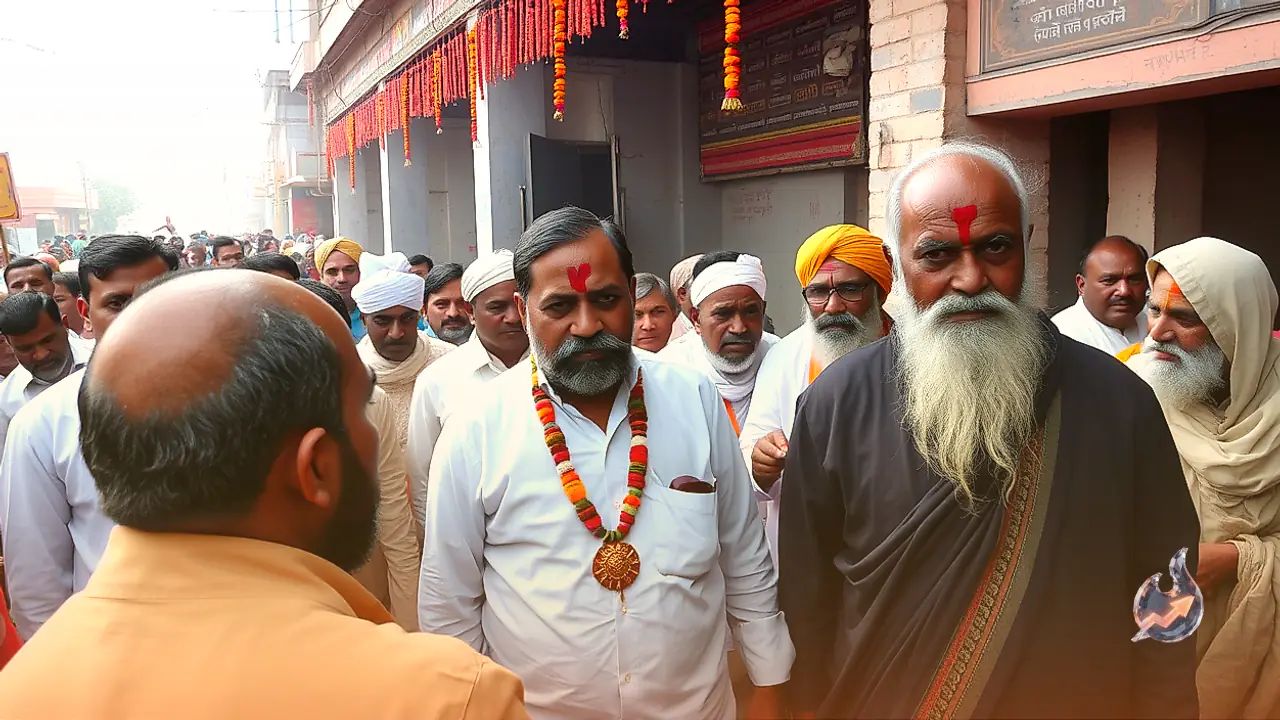
















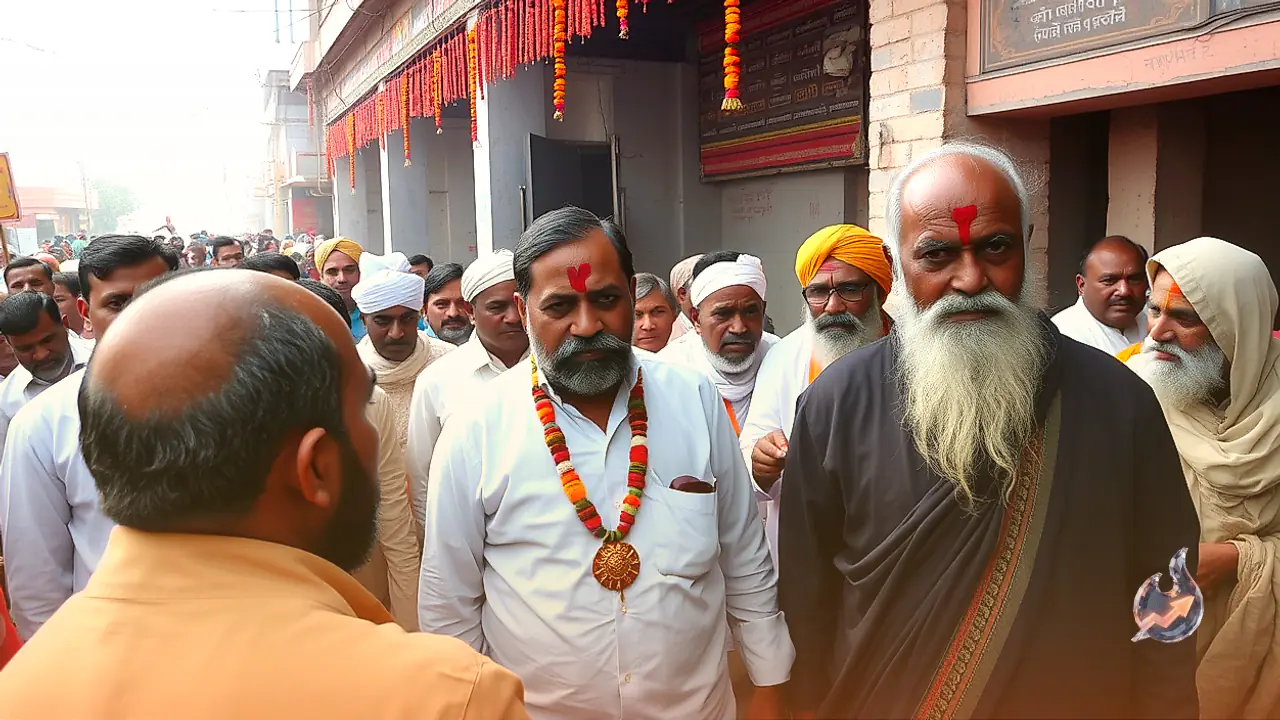

The sacred period of Pitru Paksha holds profound spiritual significance in Sanatan traditions, spanning from the Pratipada tithi to the Amavasya tithi of the Krishna Paksha in the month of Ashwin. During this dedicated fortnight, families honor their ancestors with deep reverence and gratitude. Performing core ancestral rituals such as Shradh, Tarpan, Pind Daan, and charitable offerings is believed to liberate descendants from ancestral debts, bringing peace, prosperity, and contentment to the household. While most daily worship is conducted at dawn or dusk, ancestral rites strictly follow a midday schedule dictated by traditional principles.
The Critical Role of Kutup and Rauhin Muhurat
The rituals carried out during Pitru Paksha are classified as Parvan Shradh. Ancient texts identify specific midday periods known as Kutup Muhurat and Rauhin Muhurat as the most auspicious intervals for these sacred rites. The primary window, recognized as Kutup Kaal, typically occurs between approximately 11:30 AM and 12:30 PM. Depending on local geographical coordinates and regional sunrise calculations across different cities, this timeframe may shift slightly. The established religious rule dictates that all Shradh offerings, food preparations, and Brahmin feasts must conclude before the Aparahna period draws to a close.
Why Morning and Evening Hours Are Reserved for Other Realms
Devotees often wonder why rites dedicated to ancestors avoid the early morning or evening hours that govern temple rituals and home prayers. Classical scriptures divide the divisions of the day among different cosmic forces. The morning and evening hours belong exclusively to divine deities and spiritual worship. Conversely, night hours are traditionally associated with negative energies and lower vibrational forces. This leaves the midday hours as the designated domain of the ancestors, creating an ideal window for descendants to connect spiritually with their forebears.
The Sun as the Cosmic Bridge to the Ancestral Realm
Solar positioning plays an essential role in how offerings reach departed souls. Sunrise takes place in the east, a cardinal direction associated with the deities. By midday, the sun ascends to the exact center of the sky, radiating its peak strength and influence. In scriptural lore, the sun is recognized as the supreme cosmic guardian and medium for ancestors. It is believed that during this noon alignment, the water, sesame seeds, and food offered by descendants are directly conveyed through the sun's rays into the ancestral realm, ensuring complete satisfaction for the departed souls.
The Middle Realm of Ancestors and the Tradition of Feeding Brahmins
Sacred writings describe the ancestral sphere as residing in an intermediate plane between the earthly realm of mortals and the celestial realm of deities, symbolically positioned above the moon. Because the midpoint of the day mirrors this intermediate realm, noon is considered the exact spiritual hour for feeding Brahmins and offering generous donations according to one's capacity. Completing these sacred offerings during Kutup Kaal ensures the ancestors are fully appeased, blessing their living descendants with protection, growth, and lasting family harmony.