























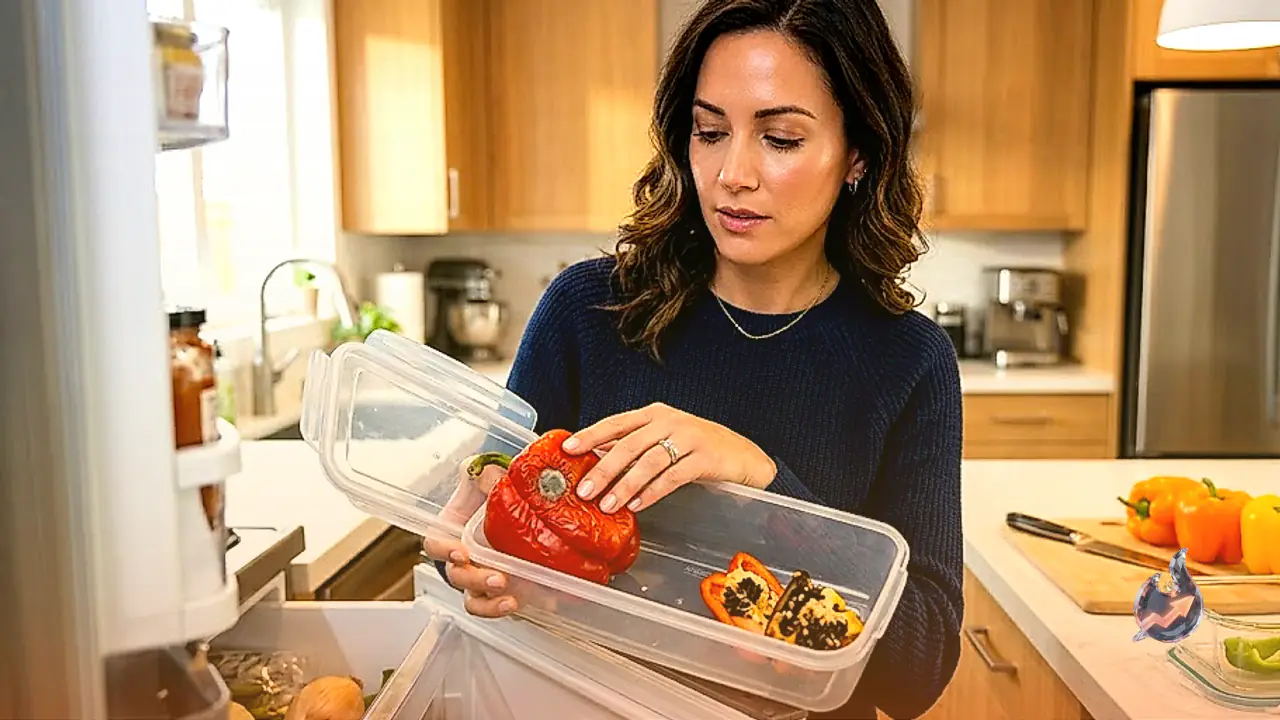

Bell peppers are a staple in weekly grocery shopping, often stored away in the refrigerator without much thought. Because their thick outer skin remains firm and glossy for days, determining whether a pepper is still fit for consumption or quietly deteriorating can be deceptive. Poor storage accelerates moisture loss and rot. Knowing the realistic refrigerator shelf life of whole versus sliced peppers, alongside recognizing the telltale signs of spoilage, is essential for maintaining kitchen safety and avoiding foodborne discomfort.
Understanding the Refrigerator Lifespan of Peppers
When stored whole and uncut under optimal conditions, bell peppers typically preserve their crisp texture and nutritional value for 1 to 2 weeks. The crisper drawer of the refrigerator is the most effective location for them, as it provides the appropriate humidity balance needed to prevent premature dehydration. Sliced or chopped bell peppers have a much shorter window of usability. Once the flesh is exposed to air and condensation, degradation accelerates rapidly, requiring them to be used within 3 to 5 days.
Five Critical Warning Signs of Deterioration
The first indicator of aging manifests on the outer skin. A fresh bell pepper features a taut, smooth, and vibrant surface. If fine wrinkles, creases, or minor shrivelling begin to appear, it indicates that the vegetable has started losing its moisture content. Peppers at this wrinkly stage are generally still safe to cook, but they should be prepared immediately before structural breakdown progresses further.
The second sign is textural softness detected through physical touch. A healthy pepper feels rigid and dense when held. If it feels excessively soft, spongy, loose, or collapses under gentle finger pressure, active decay has set in. Particular attention should be paid to localized soft spots, which indicate that localized breakdown is underway.
The third and most dangerous warning sign is the development of mould or dark lesions. Any appearance of white, green, or black mould spores means the vegetable must be discarded immediately. Similarly, wet, slimy, or blackened patches on the skin indicate microbial rot. Trimming off the affected section and cooking the remaining pepper is ill-advised, as fungal threads and invisible bacteria readily penetrate soft produce.
The fourth test involves olfactory inspection. Fresh bell peppers carry a mild, pleasant, natural vegetable scent. If slicing into the pepper reveals a sour, putrid, or rancid smell, do not consume it. An off-putting odour often reveals deep bacterial contamination before visible decay becomes obvious on the exterior.
The fifth observation relates to the internal chamber and seed colouring. When cut open, a wholesome pepper is clean, dry inside, and filled with pale cream-coloured seeds. An interior pooling with murky moisture, slimy residue, or seeds that have turned dark brown or black signifies complete spoilage, meaning the vegetable should be thrown out immediately.