




















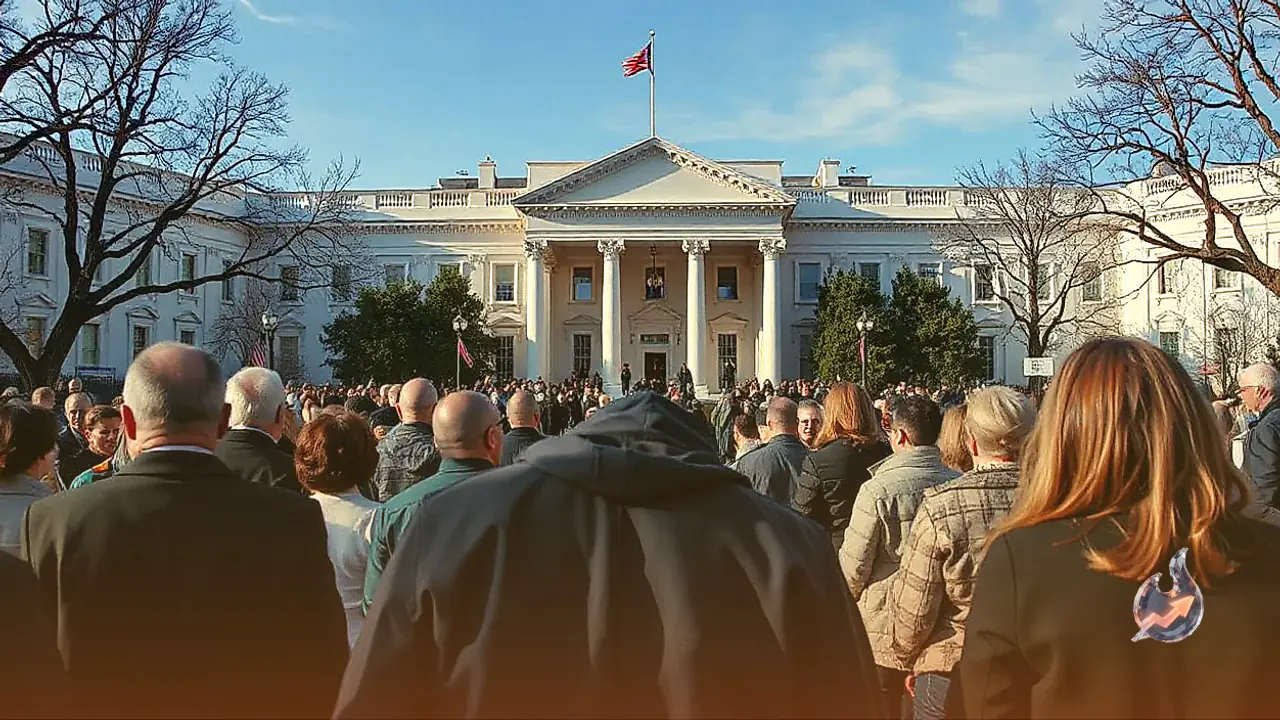

Voters across the United States are preparing to cast their ballots on 3 November in an essential national contest. With Donald Trump having served just 22 months of his four year tenure, this scheduled vote arrives precisely at the midway point of the administration. Known formally as the midterm elections, the entire process focuses on determining the composition and control of the United States Congress rather than electing a head of state.
Congressional Seats and Executive Authority
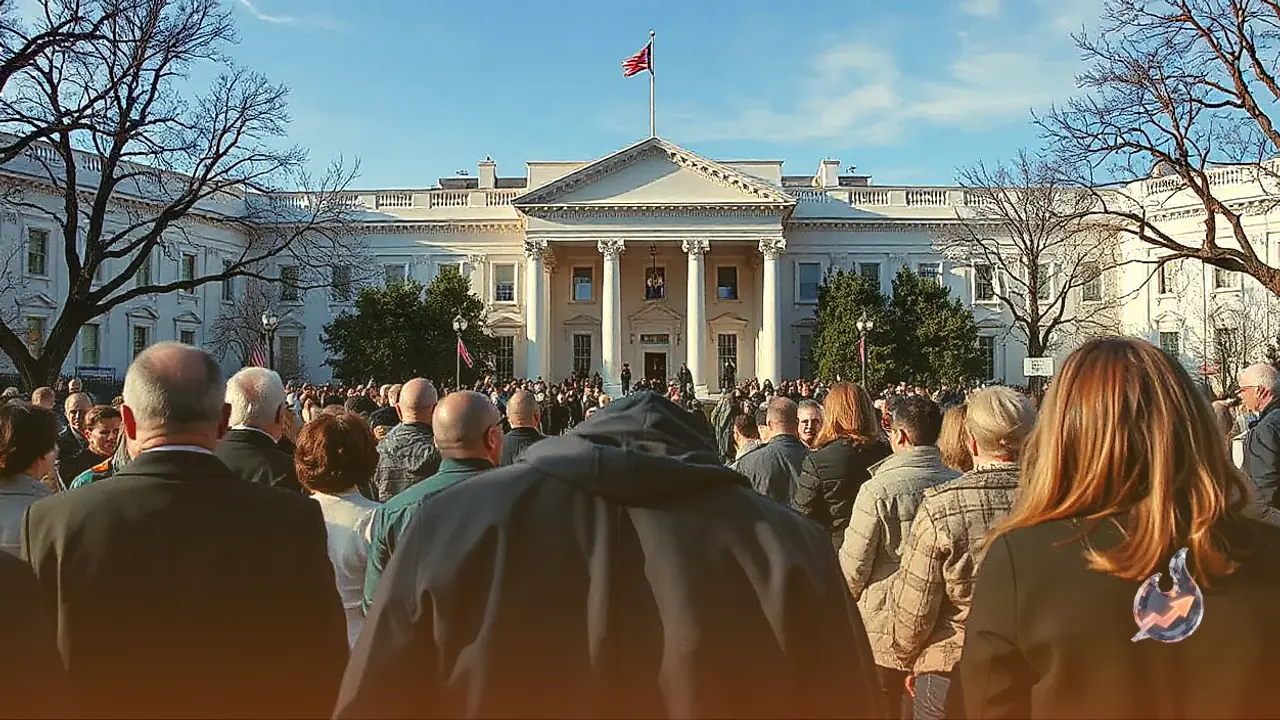
Donald Trump will remain in the presidency regardless of the final ballot count, but the operational power of his administration depends heavily on the outcome. An opposing majority in Congress can create severe legislative roadblocks, directly shaping how the White House governs over the next two years. Counting of votes will commence immediately after polling booths close, with definitive results expected to emerge on 4 November.
Structural Contrasts with the Indian Parliamentary Framework
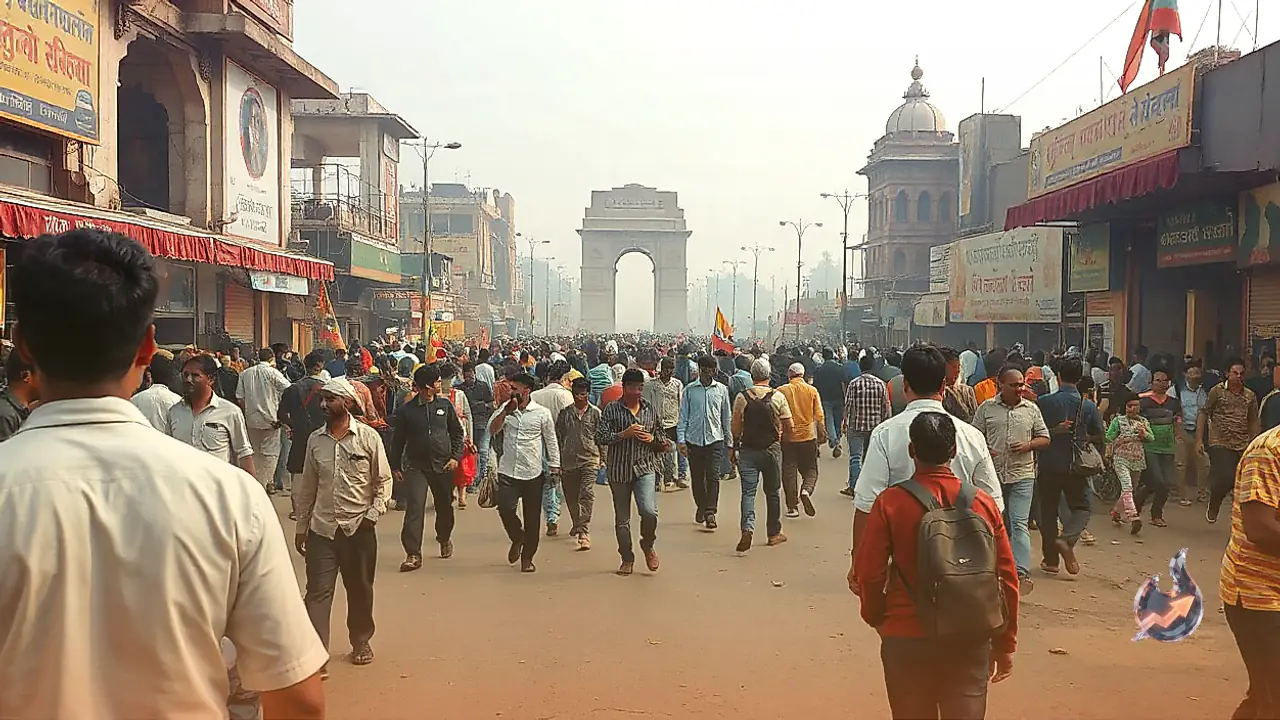
The institutional mechanics of this election diverge sharply from India’s parliamentary democracy. In New Delhi, the executive government derives its mandate directly from a majority in the Lok Sabha, meaning a loss of parliamentary confidence directly unseats the prime minister. Washington operates under a strict separation of powers where the president is elected independently of Congress, allowing the administration to pursue executive actions even when lawmakers belong to the opposing political camp.