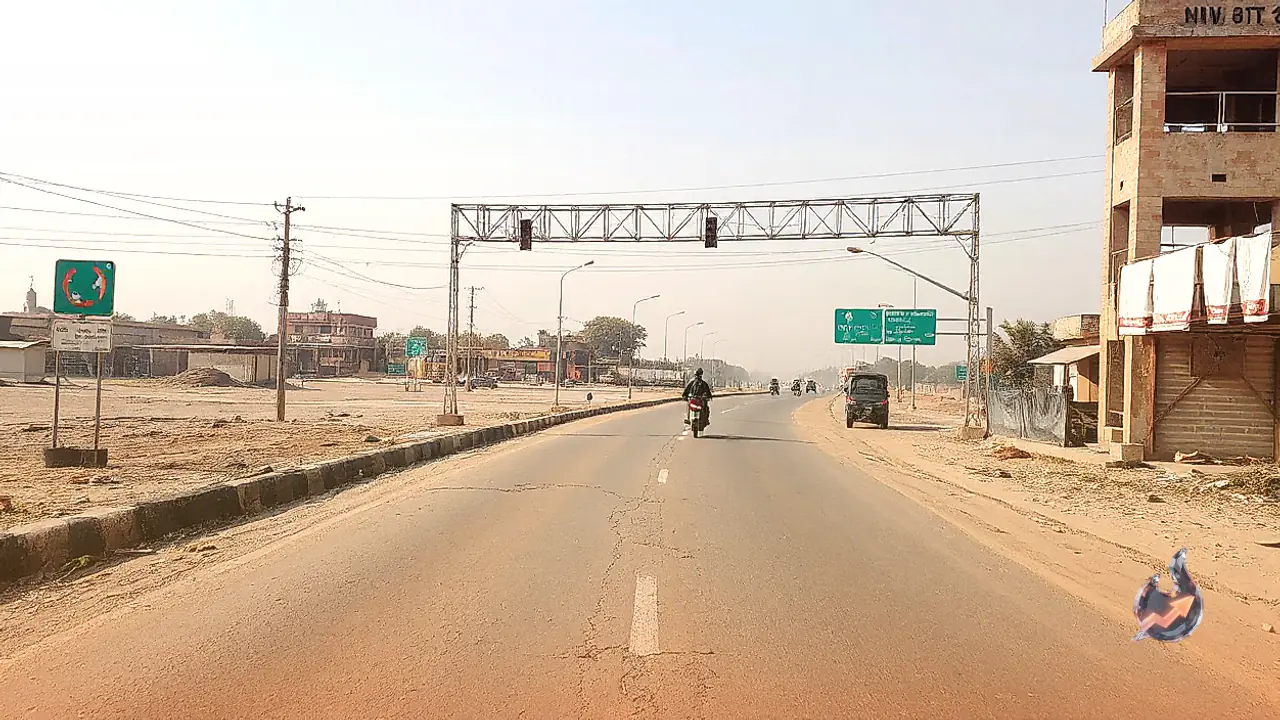



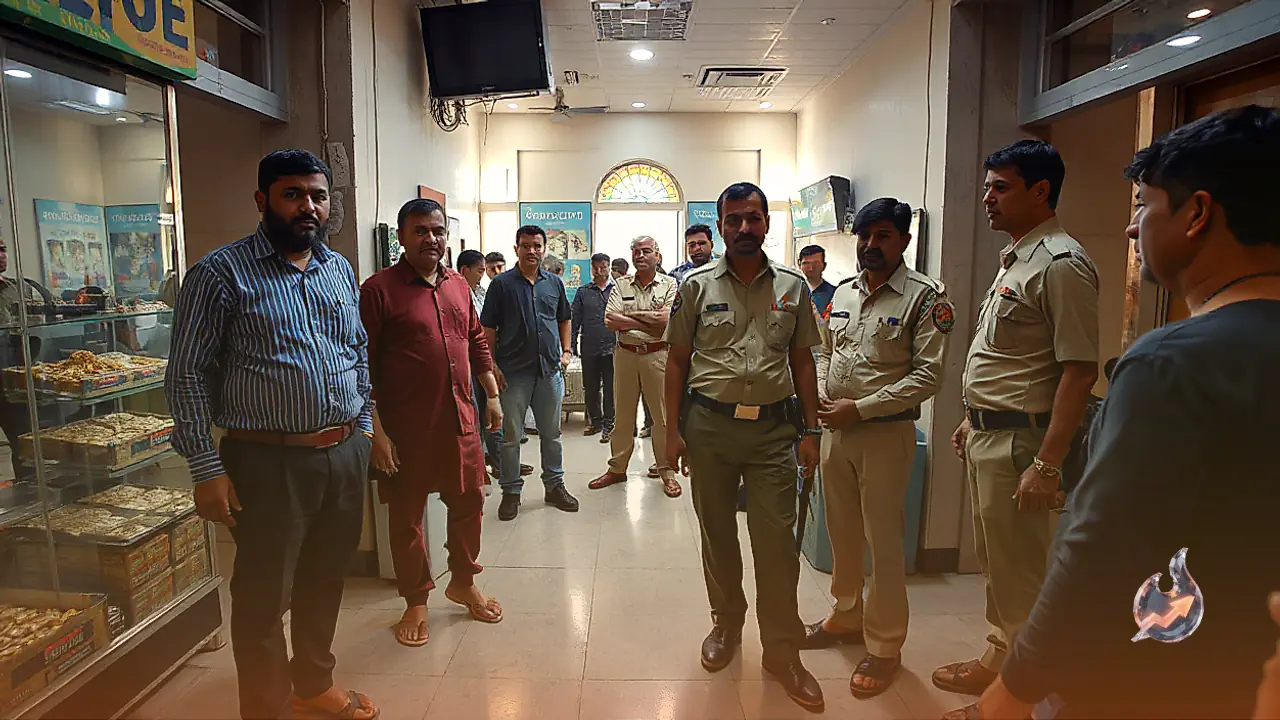



















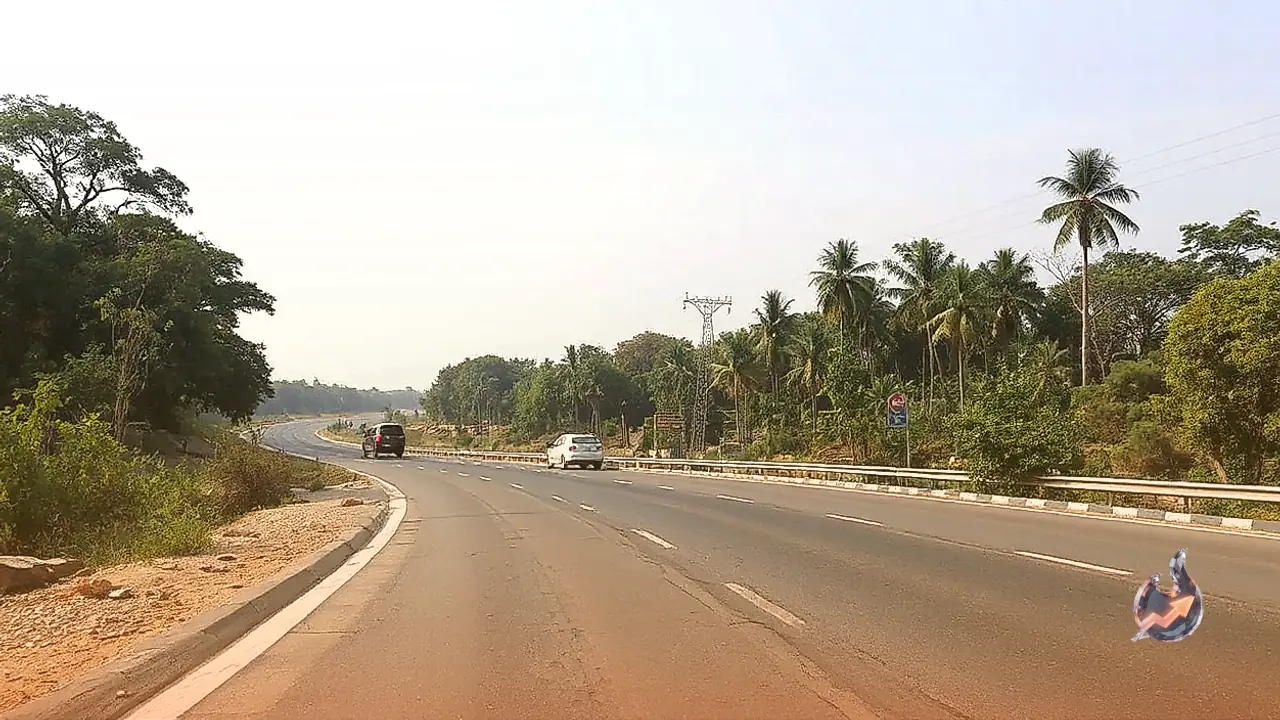

A long-standing connectivity demand in Rajasthan's Mewar region has moved closer to implementation following significant environmental clearances. The project aimed at linking the Jhadol and Gogunda highways in Udaipur district has secured crucial administrative momentum, as the central government granted in-principle approval for diverting 14.6568 hectares of reserved and protected forest land. This land will be utilized for widening, strengthening, and connecting critical stretches of the local road infrastructure, offering substantial travel relief to residents, commercial transporters, and tourists visiting the district.
In-Principle Clearance Issued from Gandhinagar
The formal order granting in-principle diversion was issued on October 29 by the Integrated Regional Office of the Union Ministry of Environment, Forest and Climate Change in Gandhinagar. This decision followed detailed deliberations by the ministry's Regional Empowered Committee during its meeting held on October 9. Official procedures specify that this order serves strictly as in-principle clearance rather than the final operational go-ahead. Before earth-moving equipment and full-scale construction can be deployed on forest terrain, the executing agency must fulfill 35 mandatory conditions set by the central government. Final authorization to utilize the reserved forest acreage will be sanctioned only after complete adherence to these stipulations is documented.
Commuter Distance to Shrink by 15 to 20 Kilometers
Once completed, the upgraded highway alignment will streamline movement between Udaipur city, outlying settlements, Gogunda, Jhadol, and key regional tourism spots. Travelers commuting toward Gogunda will benefit from a travel distance reduction of approximately 15 to 20 kilometers compared to existing detours. This shortening of the transit corridor will translate into tangible savings in travel time and vehicle fuel consumption. Expanding the roadway will also ease chronic congestion, making the movement of goods and passenger traffic across the hilly Mewar terrain significantly smoother and safer.
Project Route and Structural Details
The scope of this infrastructure initiative covers the widening and strengthening of the Gogunda-Majawad-Udaipur-Dhar-Rampura-Sisarma-Naya Kheda-Nadeshwar corridor. The official clearance specifically encompasses the segment running from kilometer 0/0 to kilometer 39/0. At present, the road distance from Balicha to Gogunda stands at roughly 50 kilometers. The Jhadol highway originates at Balicha, while the incoming route from Gogunda will converge directly with it at Sisarma. This junction creates a practical, shorter thoroughfare for vehicular transit from both directions. The Public Works Department, Udaipur Division II, has been designated as the executive agency responsible for executing the project.
Compensatory Afforestation Measures
To offset the loss of 14.6568 hectares of reserved and protected forest canopy, the project framework includes a comprehensive compensatory afforestation program. An equivalent area of 14.6568 hectares of non-forest land has been demarcated in Bandanwada village, situated within Udaipur district's Badgaon tehsil. Authorities plan to plant approximately 14,650 saplings across this designated parcel to regenerate the green footprint. This afforestation schedule ensures that ecological balance is maintained alongside infrastructural expansion in the sensitive habitat.
Wildlife Mitigation Underpasses and Site Conditions
Because the roadway intersects natural habitats, structural safeguards have been integrated to maintain undisturbed wildlife migration across the corridor. The project design mandates the construction of three low-height animal underpasses within the forest stretch, allowing wild animals to traverse safely underneath vehicular traffic. Furthermore, the central government has imposed strict protective covenants: labor camps are completely prohibited inside forest boundaries, tree felling is restricted strictly to unavoidable circumstances under direct forest department supervision, and the boundary line of the forest tract must be demarcated with four-foot-tall reinforced cement concrete pillars.