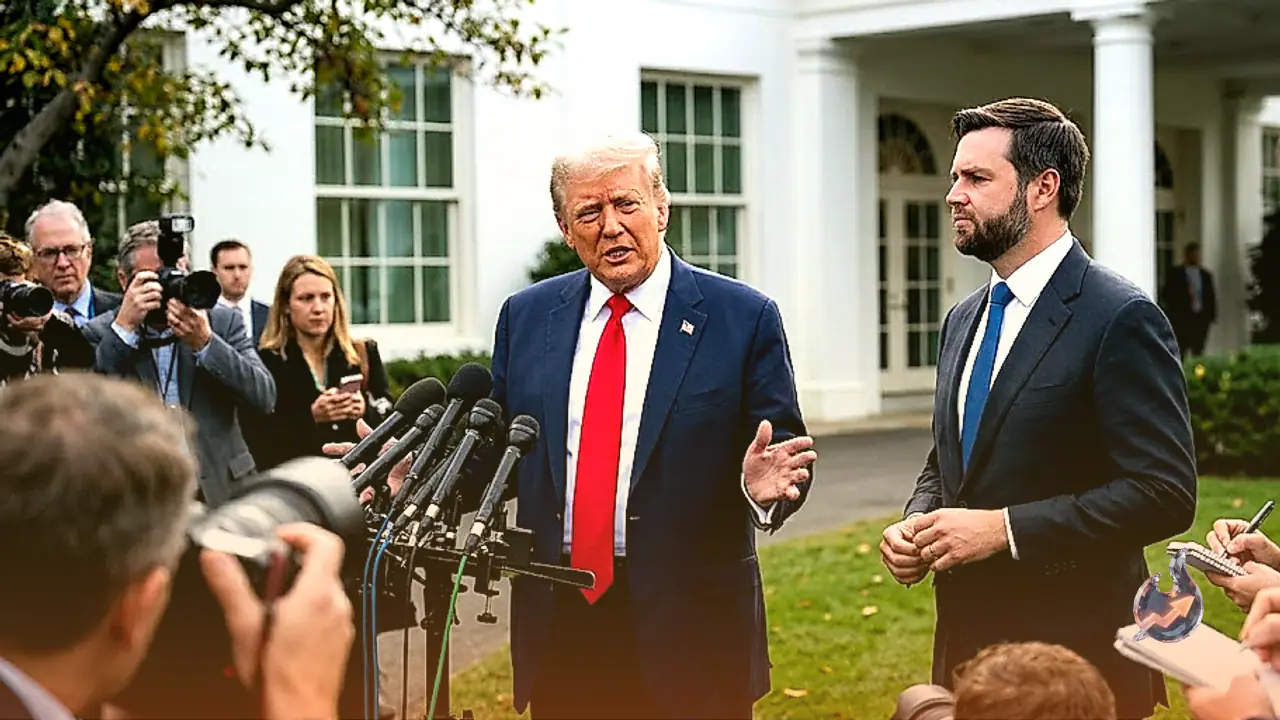





















Vice President JD Vance's enthusiastic statements about Pakistan, made while he was in Switzerland working through the technical details of a potential Iran peace arrangement with Pakistani and Qatari leaders, have sparked an unexpected backlash from within his own party. Two Republican senators stepped forward to remind the administration that Pakistan and Qatar carry deeply troubling records on terrorism, and that those records should not be quietly shelved for the sake of diplomacy.
Rick Scott Draws a Hard Line on America's True Allies
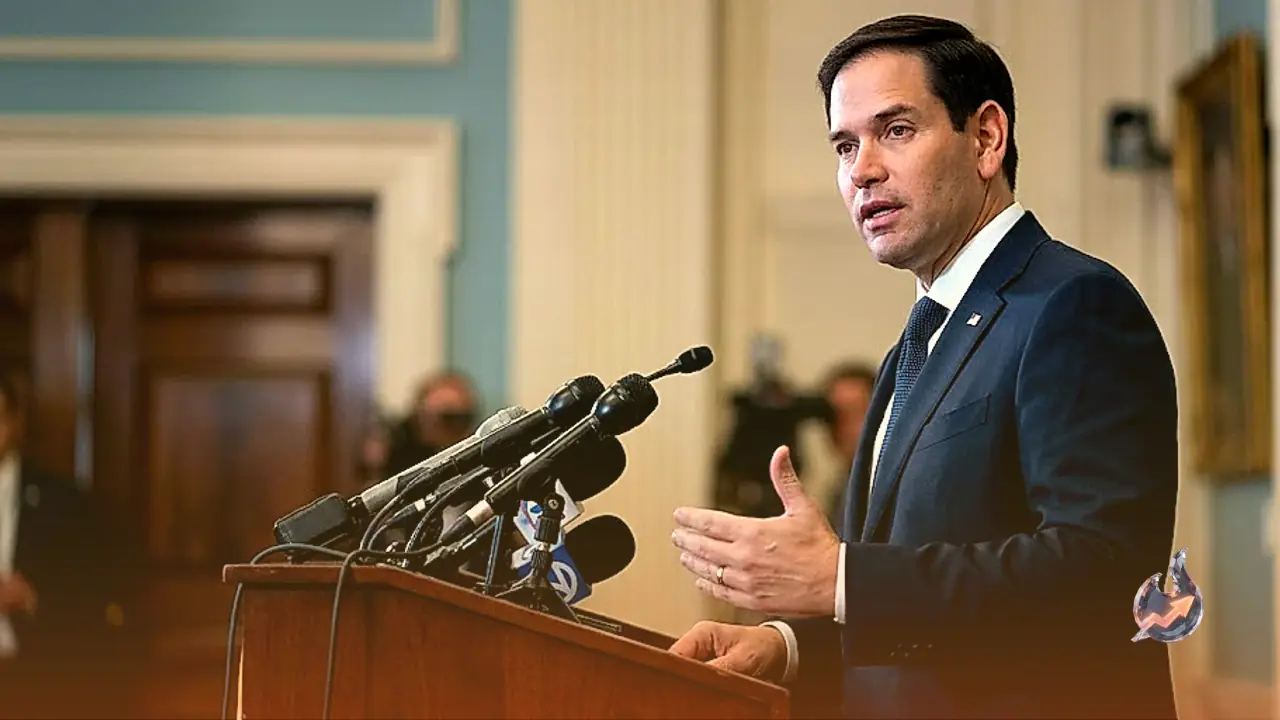
Senator Rick Scott addressed the issue directly on X on Monday. In his post, Scott wrote, "By now it should be clear to everyone who our real friends are. Qatar and Pakistan have a long history of harboring terrorists, and right now they are far more interested in advancing Iran's decades-long campaign of terror than in achieving meaningful peace."
Scott stopped short of rejecting diplomacy outright. He noted that there is still room for a practical deal that benefits all sides, but made one thing unmistakably clear: the prospect of Iran obtaining the capability to produce nuclear weapons is simply not on the table.
Tim Sheehy Points to Pakistan's Decade of Sheltering Bin Laden
Montana Senator Tim Sheehy was sharper still in a Fox News interview, bringing up al-Qaeda leader Osama bin Laden to drive home his concerns about Pakistan. "We should not forget that Pakistan hid Osama bin Laden for a decade and funded the Ayatollah through the ISI," Sheehy said. He also accused Qatar of running money-laundering operations for terrorist organizations over several decades, framing both countries as fundamentally unreliable actors in any genuine peace process.
Sheehy Calls for UAE, Israel and Saudi Arabia at the Table
With that backdrop in mind, Sheehy argued that if Pakistan and Qatar are being included in negotiations, then the UAE, Israel, and Saudi Arabia must also have a place at the table. He described those three countries as America's genuine frontline allies in the Middle East, not Pakistan or Qatar.
Sheehy was blunt about his reasoning: "The Pakistanis funded insurgencies against us through the ISI and hid bin Laden. So the idea that they're going to be honest brokers here doesn't sit right with me. I think we need to make sure we stand firmly with the UAE and Israel, because no matter what happens, they will be our frontline allies in that region."
How the Controversy Began: Vance's Lighthearted Remark About Field Marshal Munir
The spark for all of this was a comment Vance himself made on Sunday, delivered in a joking tone. He described Pakistani Army Chief Field Marshal Asim Munir as one of the two most important people in his life. "Ever since Field Marshal Munir welcomed us with the Prime Minister in Islamabad, I have been joking that there are two very, very important people in my life, one Indian and one Pakistani. The Indian is my wife, and the Pakistani is Field Marshal Munir," Vance said.
He also revealed that over the past three months he has spoken with Munir more than with anyone else. While the comments were made in a casual, good-humored spirit, they gave critics within his own party all the ammunition they needed to raise pointed questions about which countries the United States should genuinely be trusting as it navigates a complex set of Middle East negotiations.