

















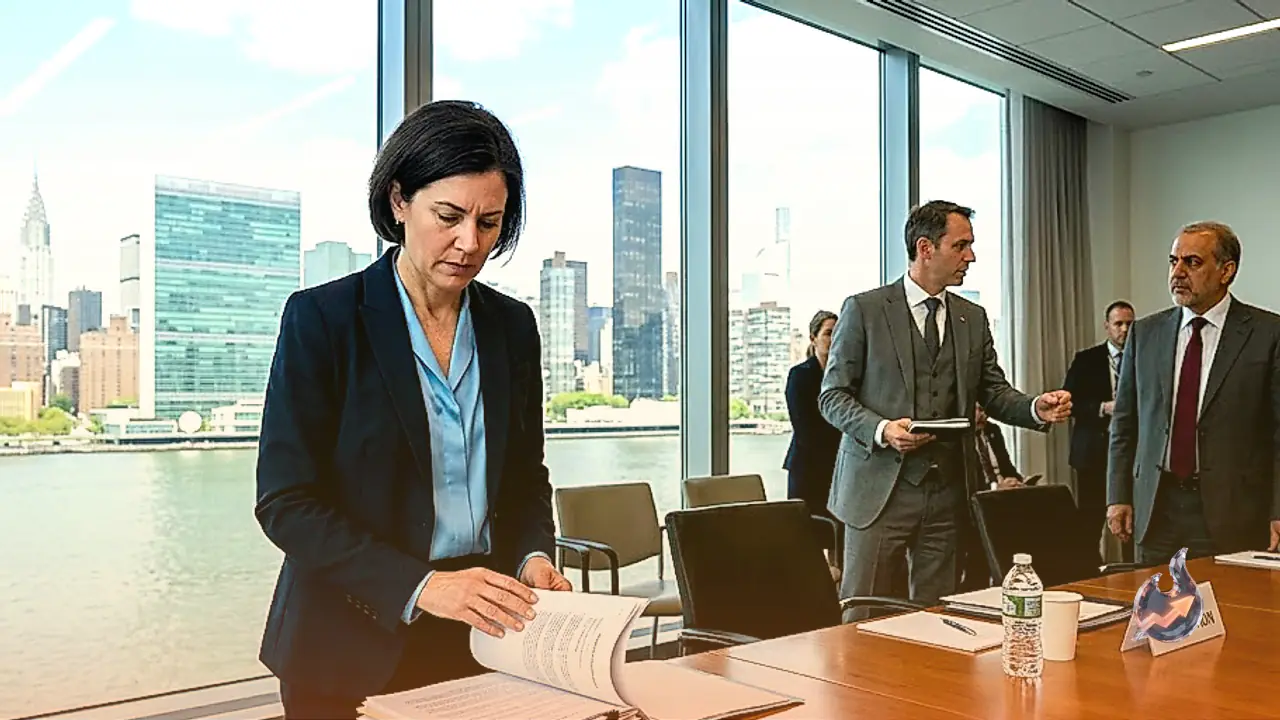

Diplomatic channels between Washington and Tehran saw sudden and intense activity in New York as representatives from both nations held nearly three hours of discussions during the United Nations General Assembly. This engagement occurred shortly after US President Donald Trump issued a stern public warning threatening to completely destroy the Islamic Republic if both sides failed to secure a formal agreement. Despite the aggressive public posture, officials engaged behind closed doors through intermediaries rather than direct face-to-face negotiations.
High-Level Representatives Convene in New York
The delegation representing American interests included Trump's special envoy Steve Witkoff alongside Jared Kushner. On the Iranian side, Foreign Minister Abbas Araghchi led the representation. Following the session, US envoy Steve Witkoff confirmed that mediated talks with the Iranian delegation took place over several hours on the sidelines of the UN assembly. Witkoff characterized the dialogue as constructive and encouraging, signaling that diplomatic communication remains viable despite escalating rhetoric.
Trump Evaluates Meeting Following Bilateral Talks
Speaking during a bilateral meeting with Ukrainian President Volodymyr Zelenskyy, Donald Trump directly addressed the diplomatic exchange, noting that discussions between American and Iranian interlocutors spanned roughly three hours and turned out to be very good. Trump revealed that another meeting between the two sides is scheduled to take place soon. Describing the strategic crossroads, Trump stated that Iran currently faces two distinct paths: pursuing a comprehensive agreement or confronting extremely grave consequences.
Tehran Sets Terms on Reopening the Strait of Hormuz
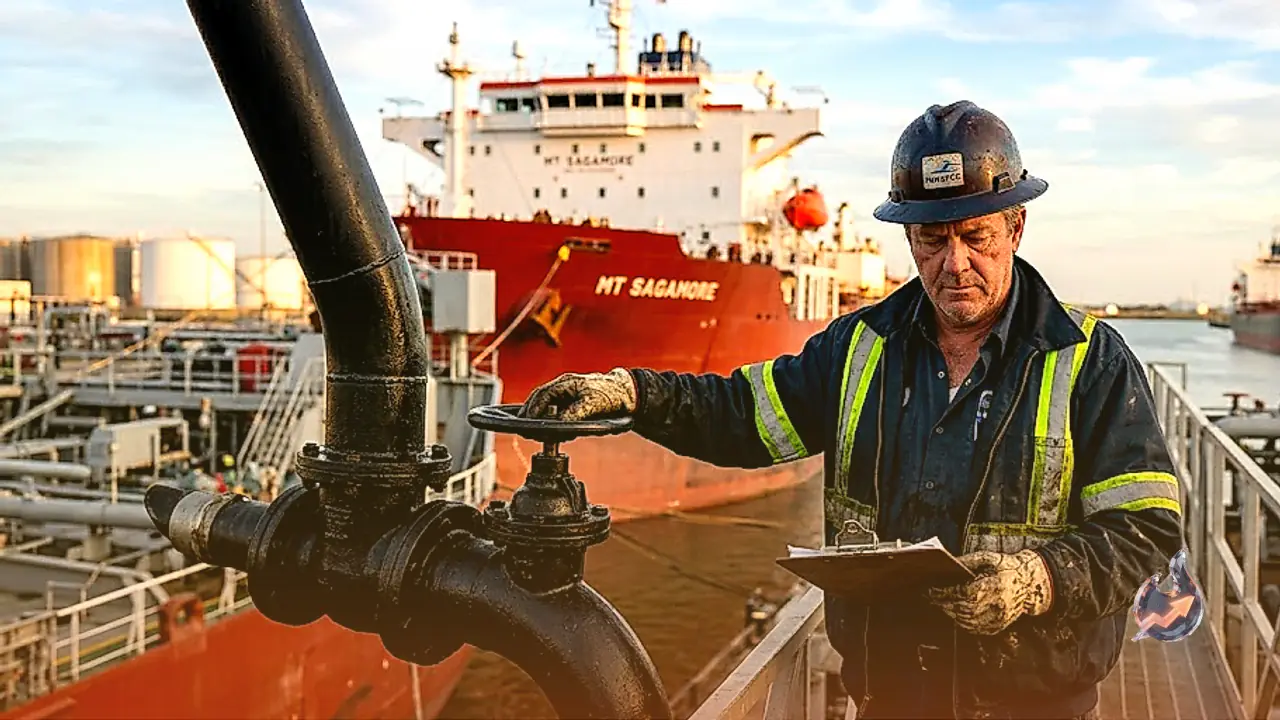
Iranian state media acknowledged the diplomatic contact between Abbas Araghchi and the US delegation, noting that the session was arranged following a formal request from Witkoff. During these exchanges, Tehran explicitly outlined the specific preconditions required before considering the reopening of the vital maritime corridor through the Strait of Hormuz.
Tehran's demands center on three key points: an immediate lifting of the US naval blockade, the unfreezing and release of Iranian assets held abroad, and a definitive halt to ongoing military hostilities across the broader region. Iranian officials maintained that should Washington meet these stipulated criteria, commercial maritime transit through the Strait of Hormuz could be restored for international shipping vessels.
United Nations Address Outlines Nuclear Redlines
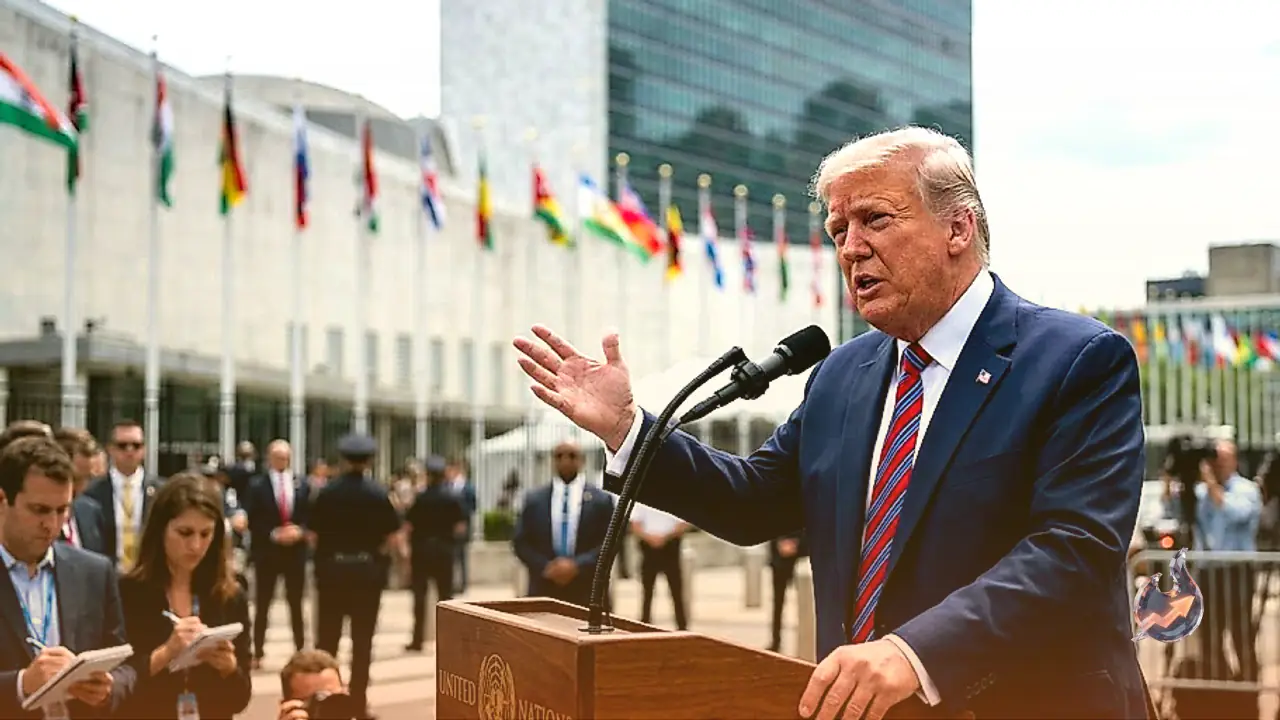
The closed-door diplomacy followed an uncompromising speech delivered by Donald Trump at the United Nations General Assembly. In that address, Trump framed the bilateral standoff around two stark alternatives: concluding a viable pact that allows Iran to progress economically, or launching severe punitive action against the country.
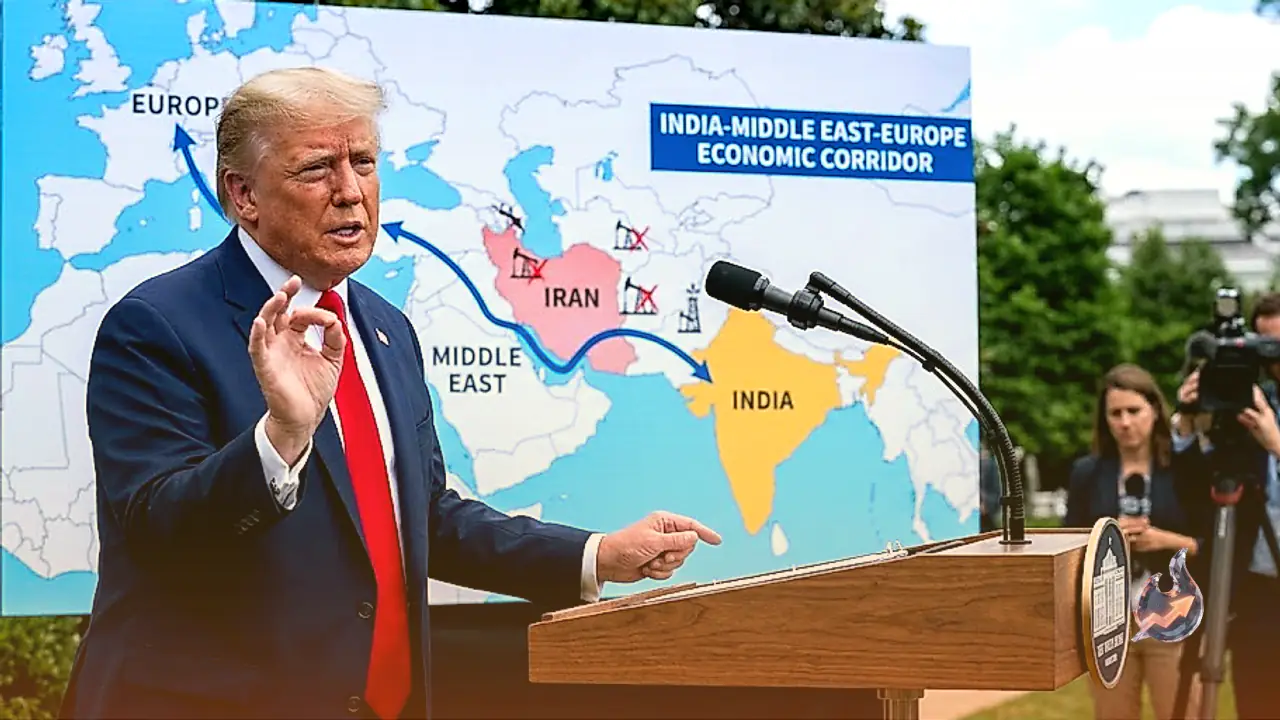
Trump reaffirmed Washington's absolute stance that Iran will never be permitted to acquire nuclear weapons under any circumstances. However, he simultaneously preserved room for negotiation, indicating a preference for an engineered diplomatic outcome over open conflict. Trump stated that he expects an agreement could materialize in the near future, emphasizing that reaching a negotiated settlement remains squarely in Tehran's own best interest.