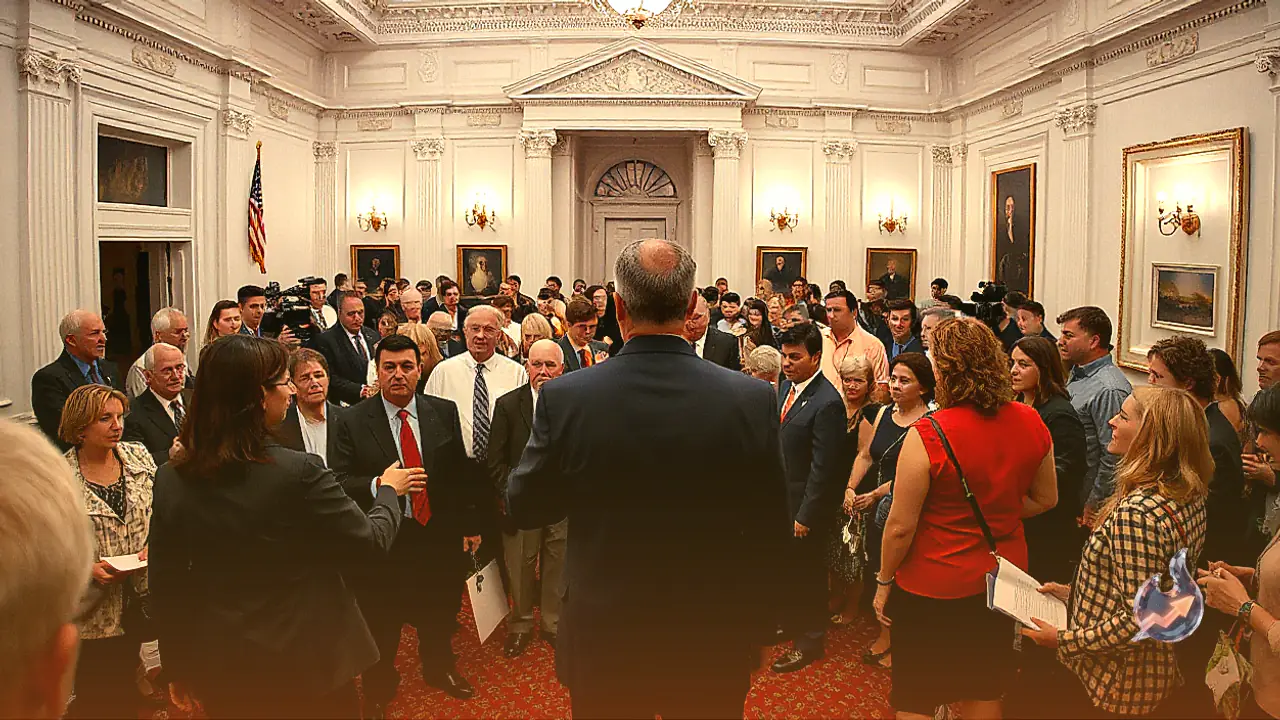



















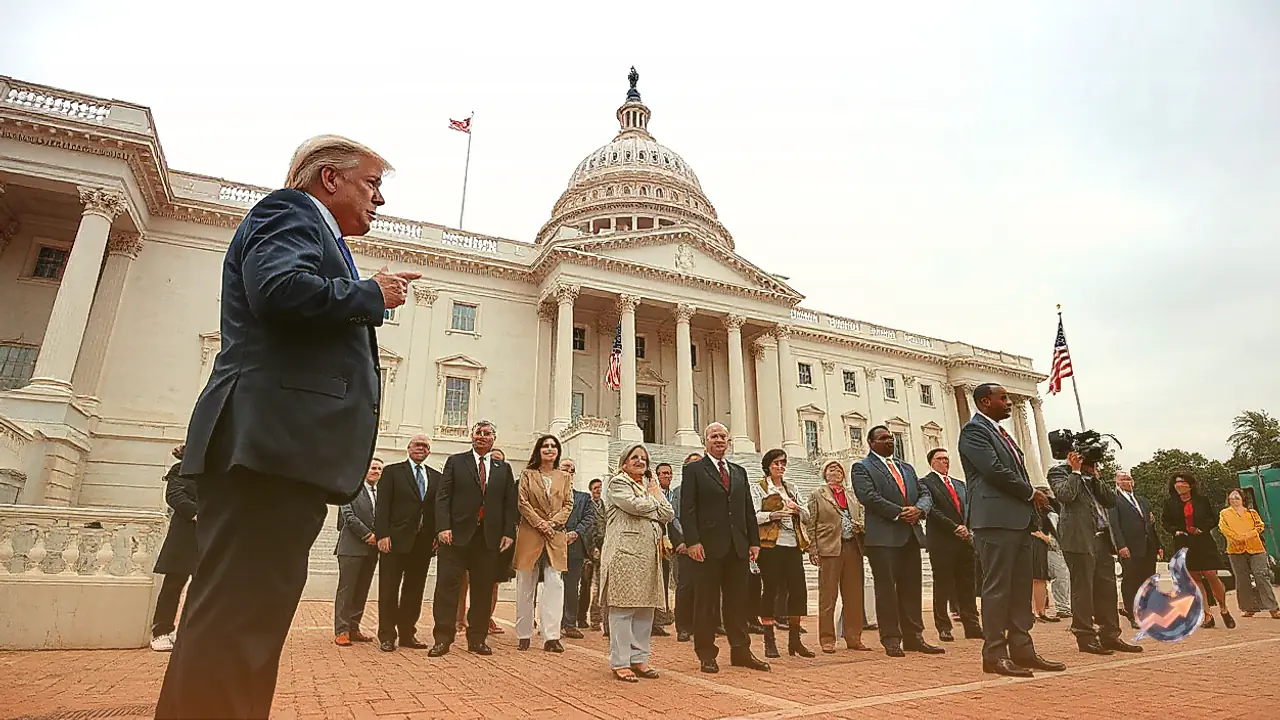

The political landscape in Washington has experienced a major upheaval following the latest US midterm elections, where the Republican Party suffered significant setbacks. The Democratic Party managed to secure control over both the House of Representatives and the Senate, a result widely interpreted as a reflection of public dissatisfaction with current administration policies. A combination of factors, including conflicts involving Iran, rising global oil prices, and persistent domestic inflation, created mounting challenges for Donald Trump and his party. This shift in legislative power has raised intense global speculation about whether the new congressional dynamic will constrain Trump's foreign policy maneuvers and force a recalibration of his stance on international trade, bilateral agreements, and tariff policies, particularly regarding India.
US Midterm Results and Presidential Authority in Foreign Affairs
Addressing the implications of these election outcomes, Congress MP Shashi Tharoor provided a clear evaluation of how the balance of power in Washington will affect bilateral ties. Tharoor expressed the view that the Democratic Party's victory in both chambers of the US Congress is unlikely to fundamentally weaken Trump's capacity to execute his foreign policy vision. While the shift in legislative power presents domestic challenges for the administration, the constitutional structure of the United States grants the President substantial independent authority over international relations, trade negotiations, and foreign policy directives.
According to Tharoor, India must prepare to navigate its ongoing diplomatic and economic negotiations with the very same Donald Trump it has dealt with so far. The executive branch retains powerful legal mechanisms to enforce trade measures, meaning that threats of tariffs or punitive sanctions will remain potent tools in Trump's foreign policy toolkit. Although lawmakers in Congress may attempt to scrutinize executive decisions more closely, the core direction of presidential foreign policy decisions is expected to remain largely intact despite the Democratic majority.
Constitutional Checks and Legislative Limits
Explaining the mechanics of US governance, Tharoor highlighted how congressional oversight operates and where its practical limits lie. While the House of Representatives and the Senate can draft and pass legislation designed to restrict executive authority or curb tariff actions, the President holds a crucial constitutional weapon in the form of a presidential veto. To override a presidential veto and force a law into effect, Congress requires a two-thirds supermajority in both chambers. Given that the Democrats do not hold such an overwhelming majority, their ability to directly block or reverse executive decisions remains legally constrained.
Nevertheless, a Democratic-controlled Congress can create significant operational friction for the administration through other constitutional avenues. Lawmakers can exert pressure by delaying or blocking presidential appointments, particularly the confirmation of ambassadors and high-ranking diplomatic officials. Furthermore, any foreign policy initiative that requires additional financial allocations or legislative approvals can face intense scrutiny and potential funding holds in Congress. While these legislative maneuvers can complicate administration goals and slow down official processes, they do not strip the President of his fundamental authority over foreign affairs.
Strategic Implications for India's Economic and Diplomatic Approach
The central advice emerging from Tharoor's analysis is that India needs to maintain a consistent and pragmatic diplomatic strategy. Since the US President retains substantial independence in shaping foreign policy, trade negotiations between New Delhi and Washington will continue under the existing framework established by Trump. Issues such as import tariffs, trade concessions, and bilateral commercial agreements will remain key talking points, requiring Indian negotiators to remain engaged with Trump's established transactional approach to diplomacy.
The changing political balance in Washington means that while procedural hurdles may emerge within the US government, the overarching posture of the administration toward India will not undergo a dramatic transformation. Trade policy and tariff threats will likely remain active instruments of negotiation. Consequently, Indian policy makers must focus on direct engagement with the executive branch while keeping a close watch on congressional developments that could influence funding or diplomatic postings.
Political Perspectives and Lessons from the Election
Beyond the diplomatic and economic consequences, the outcome of the US midterm elections has also resonated within political circles in India. Opposition parties, including the Congress, have pointed to the Republican defeat as an example of how even dominant political figures remain accountable to the electorate when economic pressures such as inflation and rising costs impact daily life. The election results serve as a reminder of the power of democratic processes in holding leaders answerable for their policy choices.
However, Tharoor emphasized the importance of distinguishing between domestic political parallels and practical foreign policy realities. While political analysts in India may draw comparisons between US electoral trends and local politics, the primary focus for New Delhi must remain on navigating its bilateral relationship with the United States. Changing political equations in Washington do not diminish the necessity for strategic continuity, and India must continue its active diplomatic engagement with Trump to safeguard its national and economic interests.