



















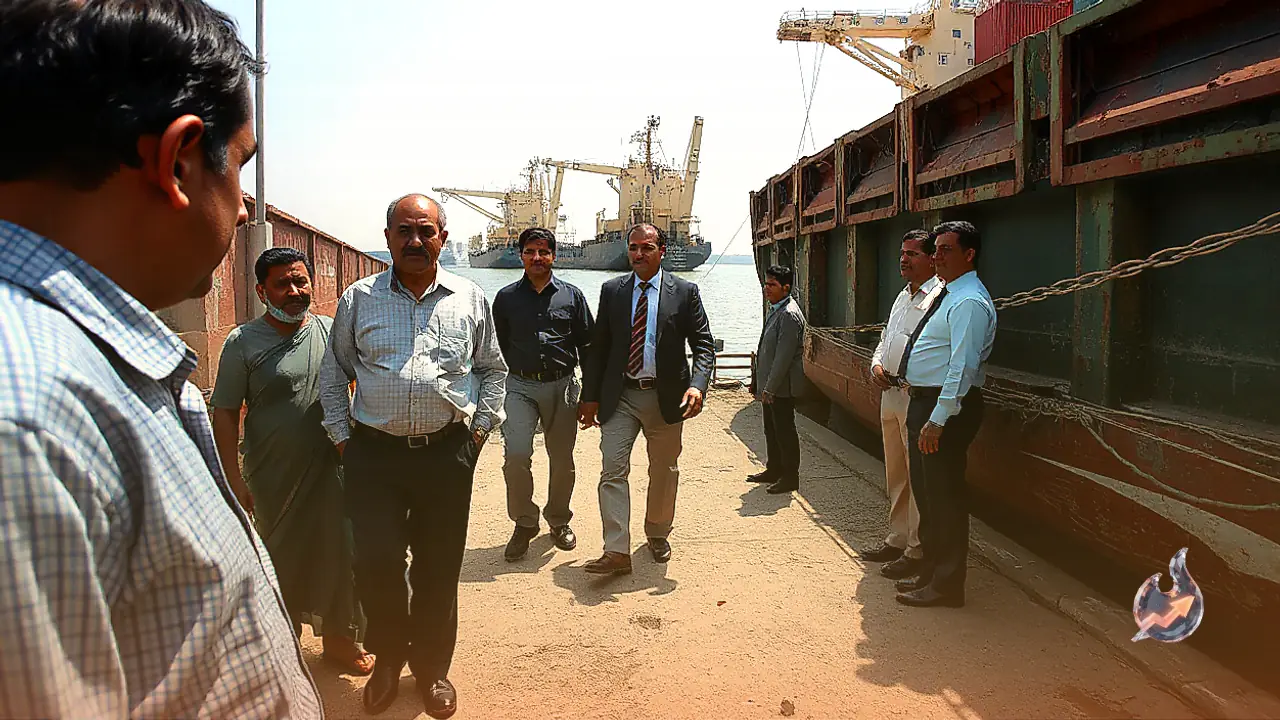

The United States Department of the Treasury announced sweeping economic sanctions on Wednesday targeting several individuals and business entities based in India and Turkey. The administration of President Donald Trump identified the targeted network as a critical intermediary facilitating unauthorized petroleum exports for Iran despite global restrictions. At the focal point of the American action is Indian businessman Sunil Kumar Sharma, his spouse Jaspreet Preeti Shahid, two additional Indian associates, and nine corporate entities linked directly to Sharma's commercial operations. Washington maintains that this group coordinated falsified documentation and deceptive vessel registries to evade international oversight and sell Iranian oil on the global market.
Enforcement Under Operation Economic Outcast
The punitive measures were enacted under the auspices of the Trump administration's ongoing initiative titled 'Operation Economic Outcast'. The overarching strategic objective of this campaign is to dismantle Tehran's petroleum-derived revenue streams and exert sustained fiscal pressure on the Iranian economy. American authorities have designated Sunil Kumar Sharma and Jaspreet Preeti Shahid as primary orchestrators of this illicit logistics network. Beyond the couple, the sanctions explicitly named two other Indian citizens and placed nine business entities connected to Sharma under comprehensive financial blacklists, barring them from interacting with the American financial framework.
Deceptive Flags and Falsified Maritime Registrations
Official findings released by the US Treasury indicate that Sharma and his collaborators fabricated fraudulent maritime registrations and compliance documentation under the auspices of multiple sovereign nations. These counterfeit papers enabled blacklisted tankers hauling Iranian crude to mask their true ownership and legal origins, thereby bypassing port authorities and international sanctions regimes. According to American officials, the network arranged fraudulent vessel flags and documentation purporting to originate from Guyana, Eswatini, and Laos. Certain vessels within this shadow fleet were operating on behalf of the Iranian military and its affiliated organizations, serving as the conduit through which embargoed Iranian crude reached foreign buyers.
Turkish Aviation Services Firm Sanctioned
The punitive measures reached beyond Indian maritime concerns to include commercial aviation operators based in Turkey. American regulators imposed sanctions against Turkish ground support firm Fuqo Ground Services Inc. Official determinations stated that the company provided vital airport services, ramp assistance, and ground handling logistics to sanctioned Iranian commercial airlines. The inclusion of the Turkish enterprise underscores Washington's intent to target logistical support networks across both maritime shipping lanes and international aviation corridors.
Iranian Rial Hits Record Low as Inflation Nears 90 Percent
Addressing the developments, United States Treasury Secretary Scott Bessent asserted that punitive enforcement against facilitators of Iranian trade would continue without interruption. Bessent cautioned that any commercial actor extending operational assistance to Tehran across land, maritime, or air conduits risks immediate sanctions. The US government maintains that its targeted financial campaigns have inflicted severe stress upon the Iranian domestic economy. Washington noted that Iran's sovereign currency, the rial, has collapsed to historic all-time lows, while domestic consumer inflation inside Iran has approached an estimated 90 percent.
Targeted Commercial Actions Rather Than Bilateral Dispute
The recent enforcement pattern demonstrates that the Trump administration is no longer confining its economic pressure campaign to domestic Iranian entities, choosing instead to dismantle cross-border logistical enablers operating in third-party nations. Diplomatic and trade analysts emphasize that these specific penalties do not constitute an action directed against the government of India. Washington's measures remain focused entirely on the individual corporate actors, specific business owners, and non-state entities named in the maritime sanctions registry.