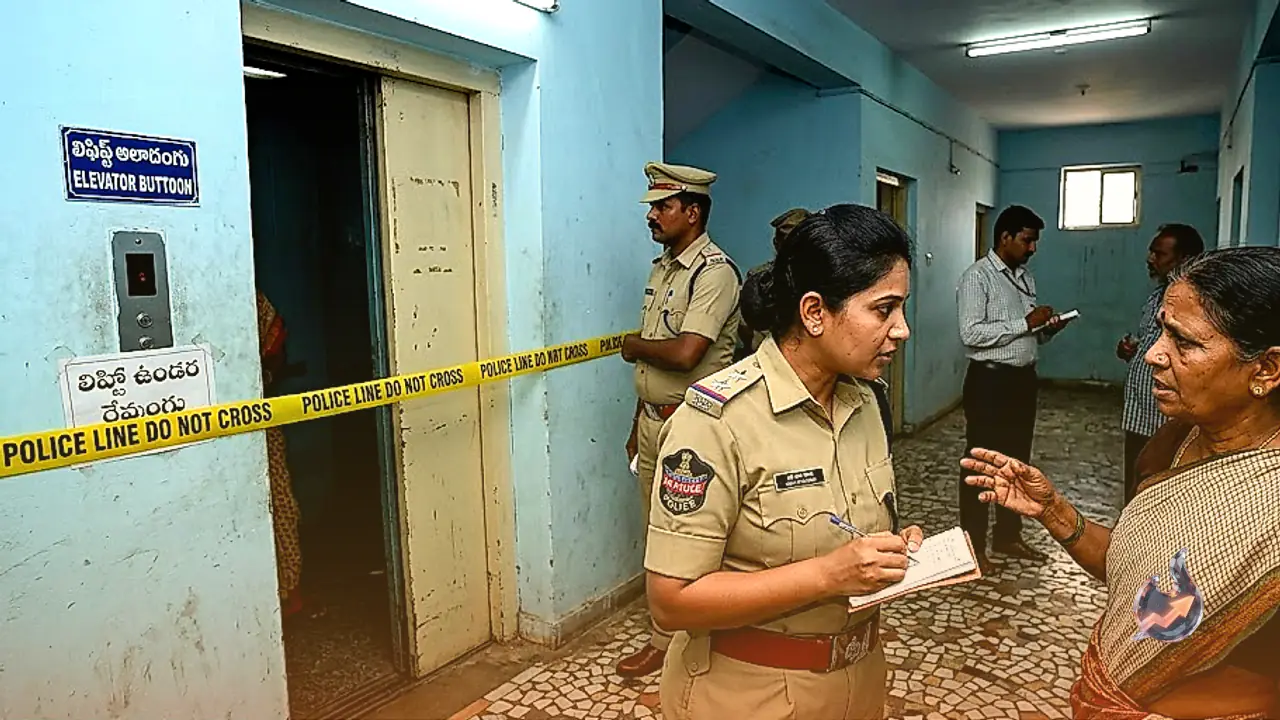























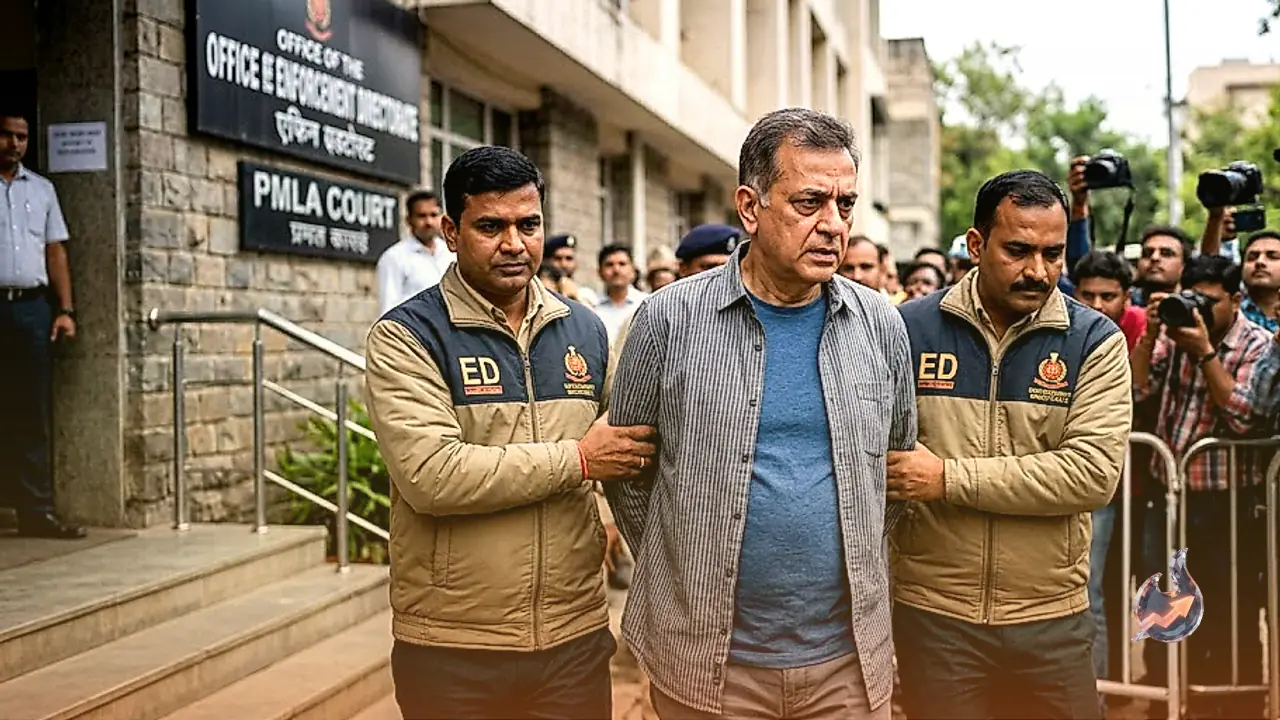

A major development has emerged in the ongoing investigation surrounding the sacred laddu prasadam of the famous Tirupati Balaji temple. The Enforcement Directorate has arrested Kailash Chand Mangala, the promoter of Sukriti Foods Private Limited, over allegations of supplying adulterated ghee to Tirumala Tirupati Devasthanams (TTD). Investigators allege that instead of authentic cow ghee derived from natural milk cream, a synthetic mixture composed of vegetable oils and industrial chemical compounds was delivered to the temple administration under the guise of pure desi ghee. The matter carries immense sensitivity, as millions of devotees visit the Tirumala shrine and revere the laddu prasadam as an embodiment of sacred devotion.
According to the Enforcement Directorate, the fraudulent operation spanned a five-year window from 2019 to 2024. During this timeframe, the total valuation of the alleged counterfeit and adulterated ghee supplied to TTD reached approximately Rs 230 crore. The central agency claims that out of this broader amount, adulterated ghee worth nearly Rs 96 crore was manufactured and supplied specifically by the enterprise run by Kailash Chand Mangala. These findings point to an organized and widespread supply operation rather than an isolated incident of minor adulteration. The allegations remain part of an active investigation by the agency and are subject to judicial scrutiny and verification in court.
Allegations of Vegetable Oils and Chemical Formulations
The core of the agency's allegations details how standard cow ghee was purportedly substituted with cheaper vegetable alternatives. Investigators state that the accused entity used refined palm oil, palm kernel oil, and palmolein to formulate the base product. None of these vegetable oils share the biological composition or nutritional profile of traditional cow ghee. By utilizing these vegetable fats, the supplier allegedly produced a base substance that could visually emulate genuine ghee once processed and packaged for temple delivery.
The investigative findings further detail the deployment of specific chemical compounds to mimic the texture, consistency, and stability of real dairy ghee. The agency claims that chemicals including MG-90, monoglycerides, Myverol Soft 400, and acetic acid esters were blended into the vegetable oil base. These specialized additives allegedly allowed the mixture to hold together and pass off as conventional cow ghee during routine physical inspections, facilitating regular consignments to the TTD procurement network.
Arrest and Scrutiny of Kailash Chand Mangala
The arrest of Sukriti Foods Private Limited promoter Kailash Chand Mangala has intensified administrative and investigative scrutiny across the procurement chain. Investigators are examining the precise operational mechanics of how the alleged product was formulated, where raw vegetable fats and chemical additives were procured, and the transport and invoicing logs utilized across the five-year period. A key aspect of the ongoing inquiry focuses on the supporting lab certifications and documentation submitted by the company to validate consignments valued at roughly Rs 96 crore.
Following the custody of the promoter, the financial records, bank transactions, and vendor linkages of Sukriti Foods are undergoing detailed examination. Authorities are looking into whether external technical personnel or formulation consultants assisted in developing the specific chemical recipe used to disguise the vegetable fats. The arrest marks a critical step forward in uncovering the operational network, with the final legal culpability to be established based on the evidentiary record presented before the court.
Scrutiny of the Five-Year Rs 230 Crore Procurement System
The broader scope of the investigation centers on the entire institutional supply line active between 2019 and 2024. With the total estimated value of the suspected spurious ghee reaching Rs 230 crore, investigators face critical questions regarding institutional oversight. Supplying critical consumables to a prominent religious institution involves multiple bureaucratic layers, including public tenders, batch testing, physical inspection, storage protocols, and final payment clearances.
Investigators are analyzing where potential oversight lapses occurred and whether standard testing regimens failed to detect the presence of chemical additives and palm fractions. The inquiry seeks to determine if testing protocols were outdated or if the specific chemical formulation was engineered to evade conventional quality screens. Beyond Sukriti Foods, the agency is exploring whether other commercial intermediaries, transport operators, or testing entities contributed to the unchecked movement of consignments over the five-year duration.
Faith, Food Safety, and Key Unanswered Questions
The laddu prasadam of the Tirupati temple commands deep spiritual significance among devotees across India and around the globe. Given the profound reverence attached to the temple offerings, questions regarding the integrity of ingredients transcend regular commercial disputes, raising acute concerns over food safety standards and the sanctity of religious traditions. If the agency's allegations are validated, it underscores serious systemic vulnerabilities in long-term institutional procurement.
Key questions currently driving the investigation include determining the exact aggregate volume of adulterated material introduced into the kitchens, the precise manufacturing sites involved, and the administrative reasons why multi-layered quality checks did not flag the concoction sooner. The agency is also evaluating the role played by other commercial suppliers who contributed to the remaining portion of the Rs 230 crore supply between 2019 and 2024. While the arrest of Kailash Chand Mangala represents significant progress in the inquiry, the full truth will emerge only upon the conclusion of formal legal proceedings.